
You’re seeing matcha prices climb and lead times stretch. This uncertainty threatens your product quality and profits, but understanding why it's happening is the first step to securing your supply.
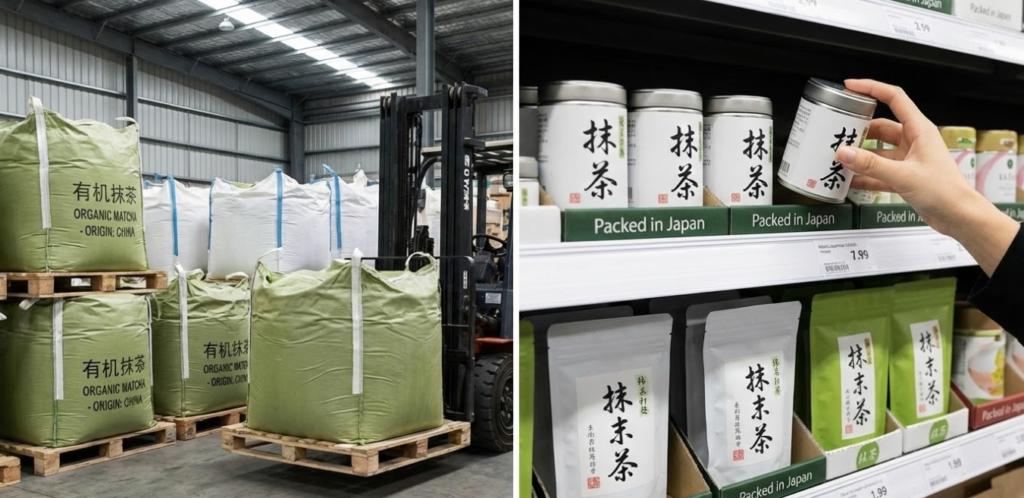
Yes, the global matcha market1 is experiencing a significant shortage. This is caused by a perfect storm of soaring international demand, slow growth in the supply of raw tencha leaves2, weather-related harvest problems, and bottlenecks in the specialized grinding process. Buyers must adapt their strategies now.
This situation isn't just a temporary problem. As a manufacturer and supplier, I've seen these pressures building for some time. It's a fundamental shift in the market. To protect your business and keep your customers happy, you need to look behind the curtain and understand exactly what’s happening with the supply chain. Let's break down the key factors causing this squeeze and what you can do about it.
Why Is Matcha Suddenly So Hard to Get?
Your reliable matcha source is suddenly raising prices or has low stock. This unpredictability makes production planning a nightmare, but knowing the four core reasons will help you navigate this new market.
The shortage comes from four main issues. Demand is growing much faster than supply. New tea gardens take years to mature. Bad weather has hurt recent harvests. And the specialized milling process itself creates a production bottleneck.
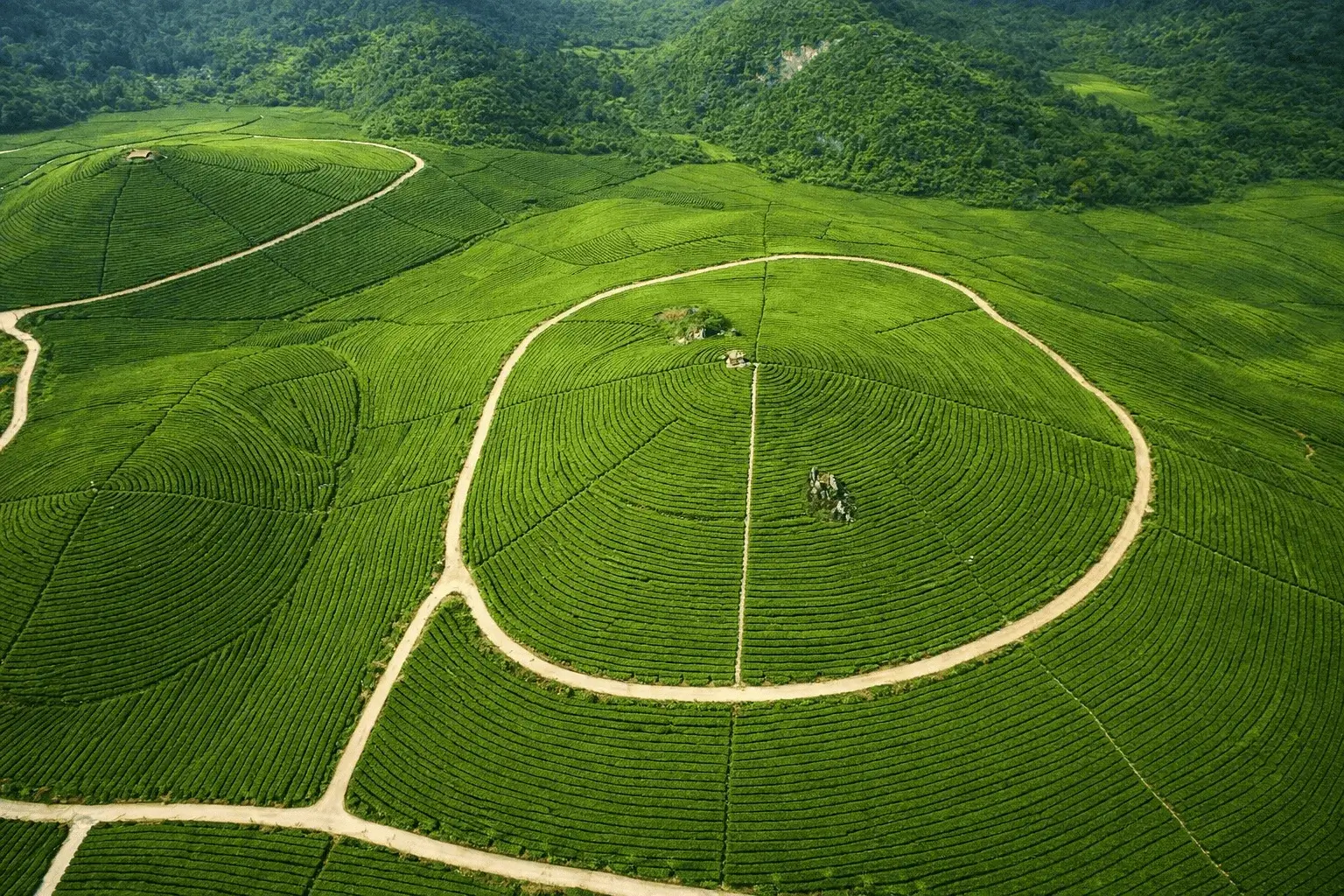
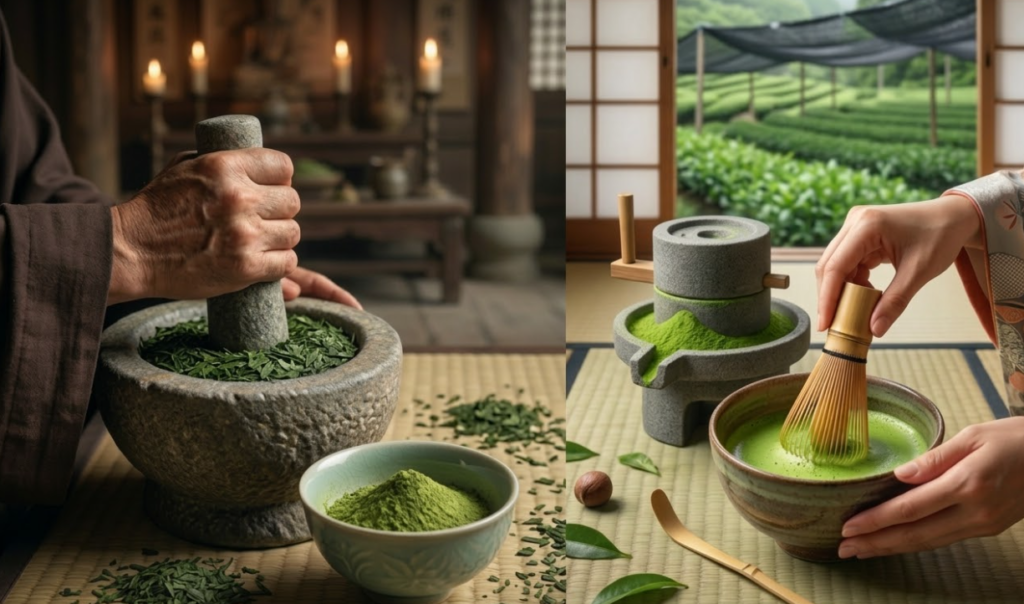
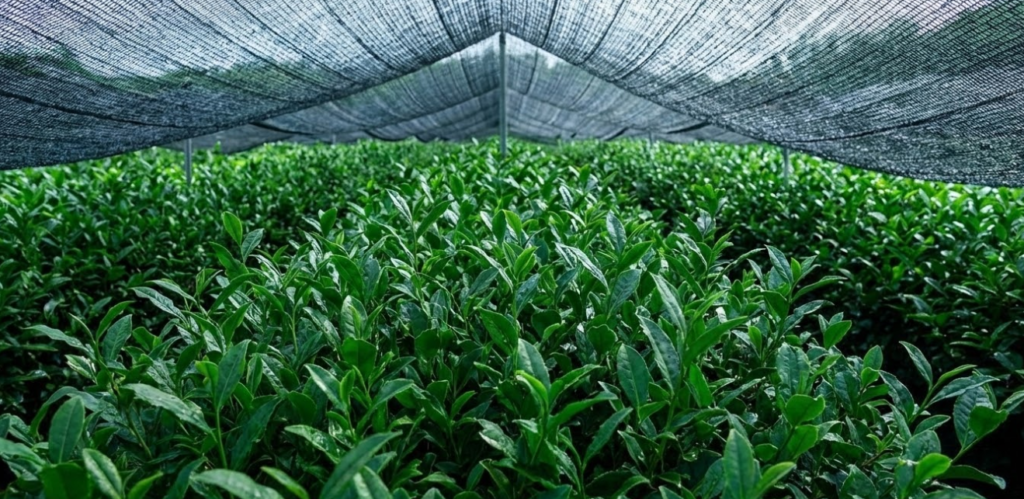
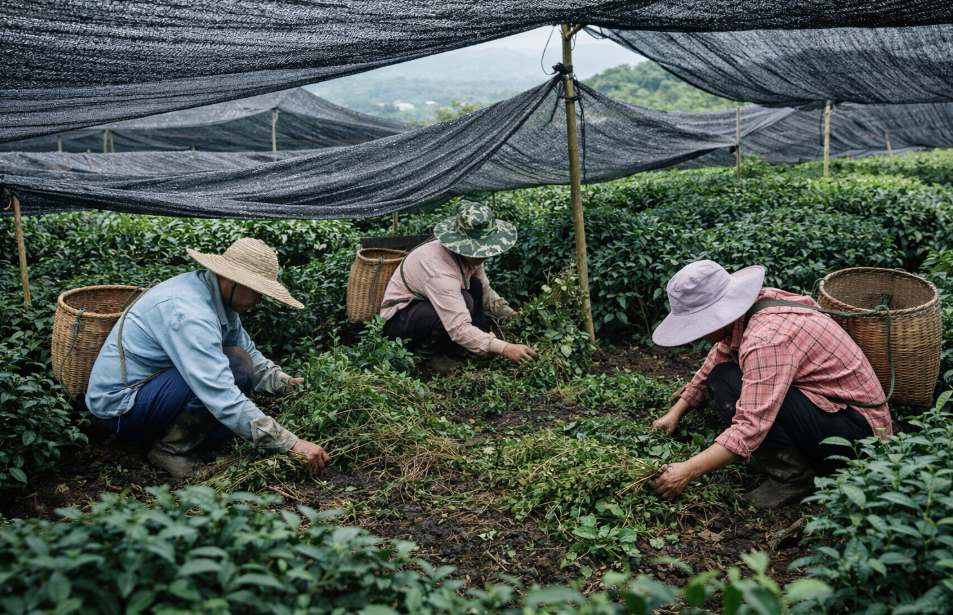
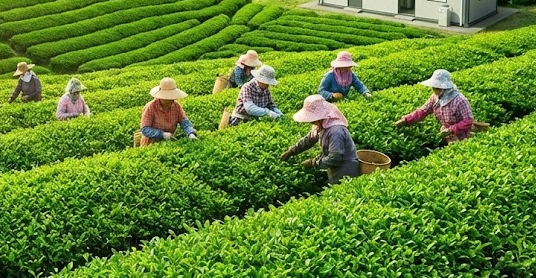
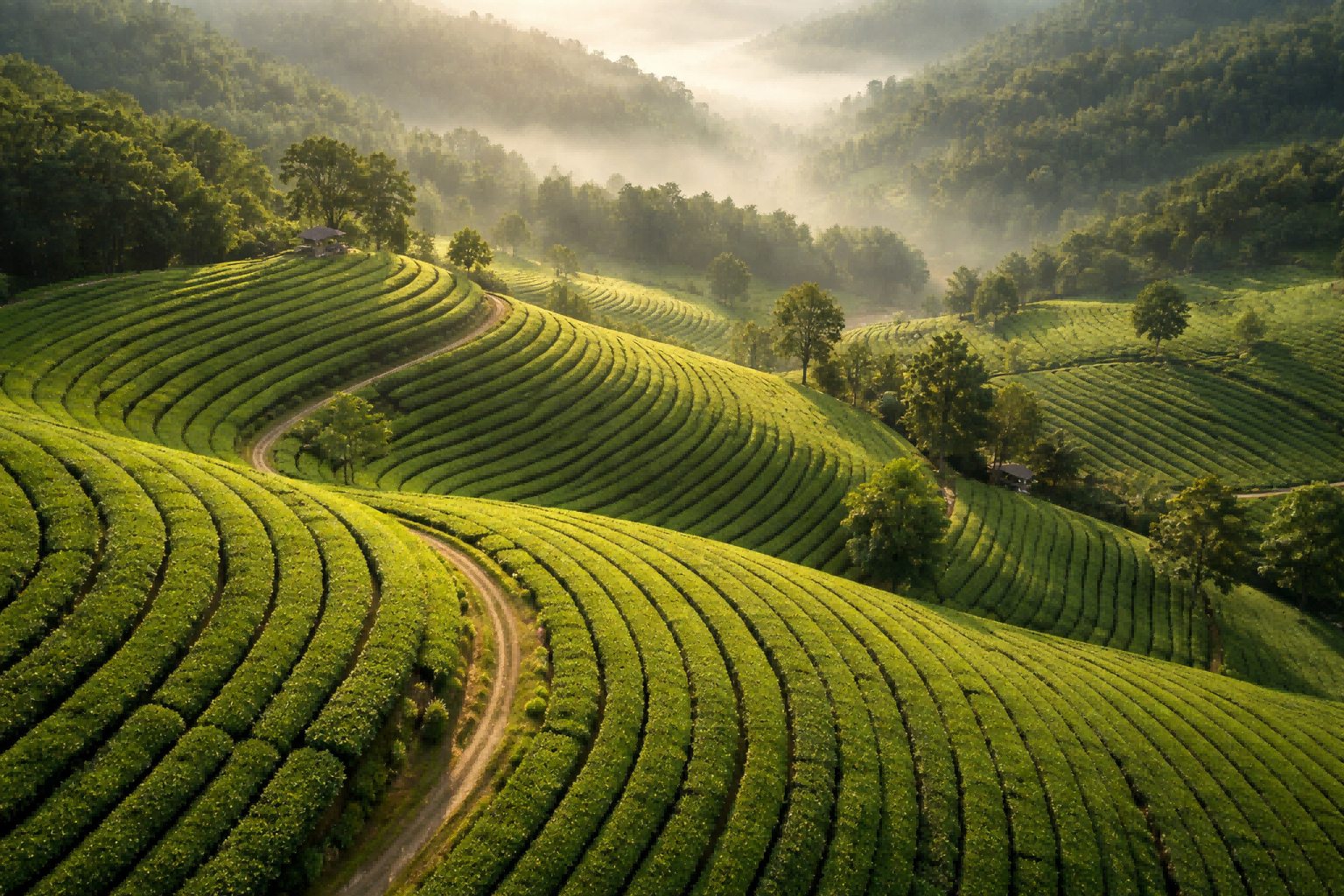
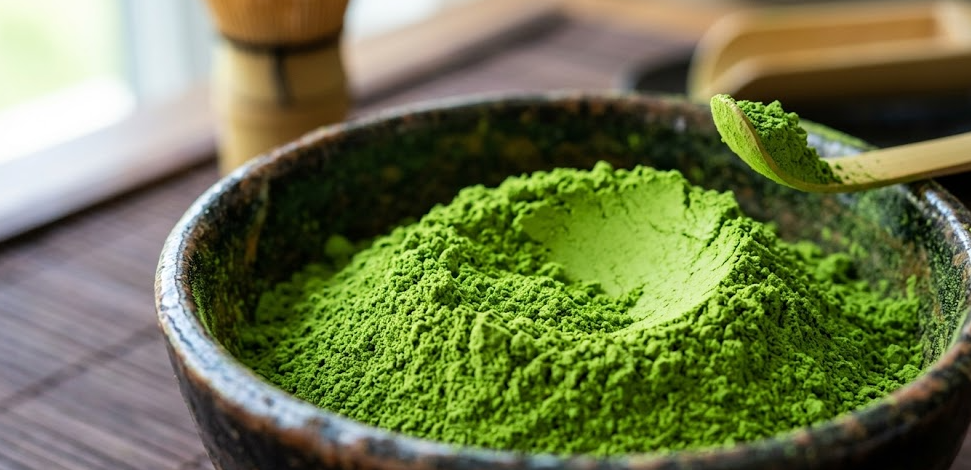
For years, we've seen the demand for matcha explode. It's not just in cafes anymore; it's in everything from energy drinks to chocolate bars. Data from Japan's Ministry of Agriculture, Forestry and Fisheries confirms that overseas demand for powdered green tea is climbing every year. But the supply side can't just flip a switch and produce more. Matcha is made from a special shade-grown tea leaf called tencha, and converting a tea garden to grow it properly is a long-term investment. I've seen it firsthand; a new tea plantation can take several years before it produces a stable, high-quality harvest. On top of that, weather has become a huge issue. Recent high temperatures and droughts in key Japanese growing regions have damaged the crucial spring harvest, making a tight situation even worse. Finally, there's the processing bottleneck. Even with enough tea leaves, the slow, careful stone-grinding process3 required for high-quality matcha limits how much can be produced.
| Cause of Shortage | Deeper Explanation |
|---|---|
| Soaring Demand | The global market's appetite for matcha is growing faster than production capacity, driven by its use in beverages, food, and wellness products. |
| Slow Supply Growth | Tencha cultivation is specialized. It takes 3-5 years for new tea plants to mature, so supply cannot increase quickly. |
| Weather Impact | Recent droughts and high temperatures in key production zones have reduced the yield and quality of the spring tencha harvest. |
| Processing Bottleneck | The traditional stone-grinding process3 is very slow. This limits the final output of finished matcha powder, especially for premium grades. |
How Does This Shortage Affect My Matcha Business?
You're rightly worried about how this shortage will impact your bottom line. Unpredictable costs and unreliable supply can quickly ruin your margins and damage your brand's reputation with customers.
You should expect direct impacts like price hikes4, higher Minimum Order Quantities (MOQs), and much longer delivery times. You may also see more flavor inconsistency between batches and find it harder to reorder the exact same grade, especially premium matcha.
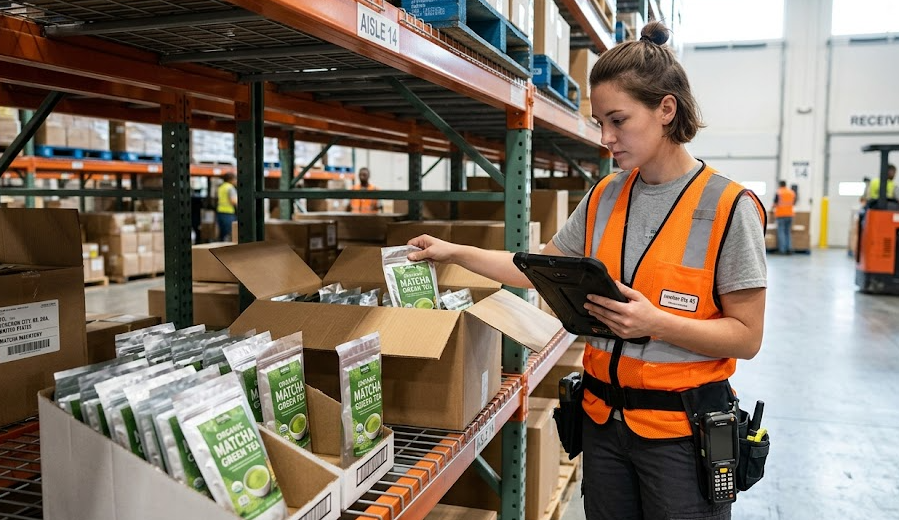
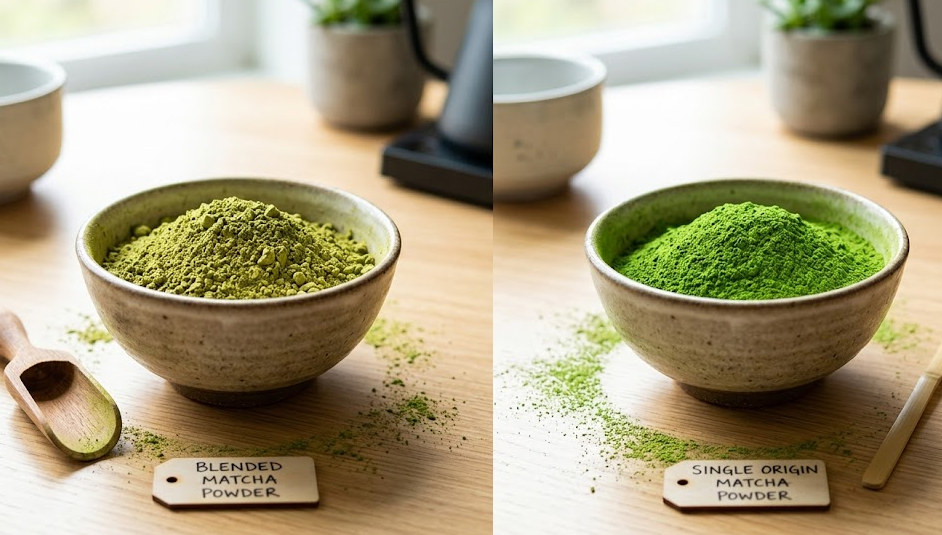
The effects are already being felt across the industry. The most obvious impact is price. With demand high and supply low, prices for raw tencha are increasing, and that cost is passed down the line. To manage their limited inventory, many suppliers are also increasing their MOQs, prioritizing larger orders to be more efficient. I've had to explain to clients that lead times for their usual orders have doubled or even tripled. This is because the processing bottleneck means every order is in a longer queue. Perhaps the most dangerous issue for a brand is inconsistency. When supply is tight, producers may need to blend different batches or use slightly different raw materials to fulfill orders. This can lead to noticeable shifts in color, aroma, and taste between what you approved in a sample and the bulk order you receive months later. High-grade ceremonial matcha5 is the most vulnerable because its supply is the most limited.
| Market Factor | The Old Reality (Pre-Shortage) | The New Reality (Current Shortage) |
|---|---|---|
| Pricing | Stable, with predictable annual contracts. | Volatile, with frequent increases and shorter price validity. |
| Lead Times | 4-6 weeks for standard orders. | 8-16 weeks or longer, especially for high grades. |
| MOQs | Lower and more flexible. | Higher, as suppliers prioritize larger, more efficient runs. |
| Consistency | High consistency between sample and bulk. | Higher risk of variation in flavor, color, and texture. |
What Sourcing Strategies Should I Use Right Now?
Your old purchasing methods of buying when you need it are not working anymore. If you don't adapt, you risk stockouts, production delays, and ultimately, losing your customers to competitors.
The best strategy now is to be proactive. Place forecast orders6 well in advance, clearly define your matcha's end-use to allow for grade flexibility, and establish a relationship with a backup supplier7. Be meticulous about requesting batch information8 to ensure quality.
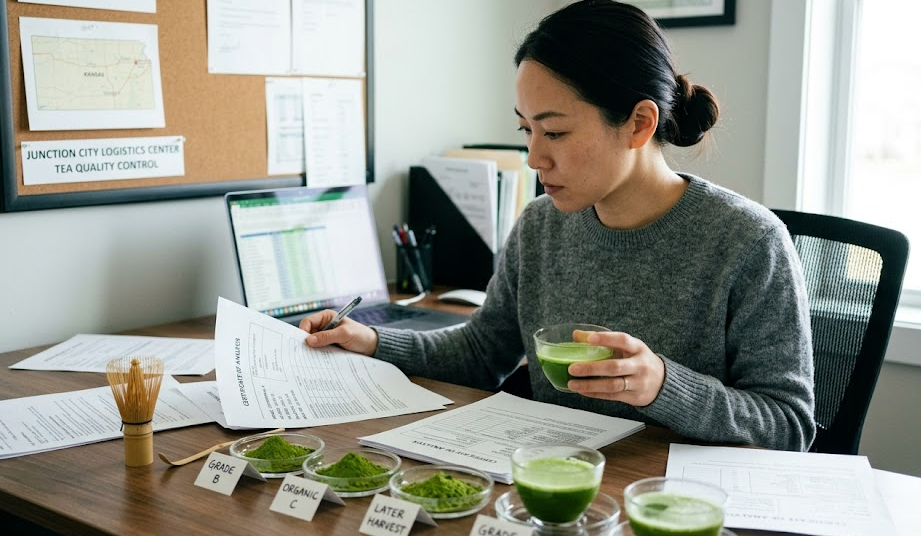
The "just-in-time" purchasing model for matcha is over for now. You must shift your thinking to long-term planning. First, place forecast orders6 early. Don't wait for your peak season to look for spot inventory; it will either be gone or be incredibly expensive. Talk to your supplier about your needs for the next 6-12 months. Second, be specific about your "use case." Do you need a vibrant green for a latte, or is the matcha going into a baked good where color stability is more important than a delicate flavor? The highest ceremonial grades are the most scarce. If your application allows for a high-quality culinary grade, you will have a much more stable and affordable supply. Third, secure a second supplier and alternative grades. This isn't about being disloyal; it's smart risk management. Having a backup protects you if your primary source has a major disruption. At MatchaSourcing, we've become that reliable backup for many brands, thanks to our stable, integrated supply chain here in Guizhou. Finally, get serious about documentation. Request detailed batch information8—origin, harvest season, and grinding date—to protect yourself from quality drift. And renegotiate your purchasing terms to reflect the new reality, perhaps with quarterly price reviews instead of fixed annual pricing.
| New Sourcing Rule | Action to Take | Why It's Important Now |
|---|---|---|
| Plan Ahead | Submit purchase forecasts 6-12 months in advance. | Secures your place in the production queue and locks in supply. |
| Define Your Use | Specify if matcha is for lattes, baking, or direct drinking. | Allows your supplier to offer a suitable, available alternative if your first choice is out. |
| Diversify Your Supply | Qualify at least one backup supplier7 from a different region. | Protects you from single-origin crop failures or single-supplier disruptions. |
| Verify Quality | Always request batch-specific data and a pre-shipment sample. | Ensures the bulk order matches your quality standards, as consistency is now a major risk. |
Conclusion
The matcha market has changed. It now demands a strategic approach, much like sourcing specialty coffee. Proactive planning, clear communication with suppliers, and supply chain diversification are no longer optional.
Understanding the global matcha market dynamics is crucial for businesses to adapt to current challenges and secure their supply chain. ↩
Tencha leaves are essential for matcha, and understanding their cultivation can help in assessing supply chain vulnerabilities. ↩
The stone-grinding process is key to matcha's quality, and understanding it can help in evaluating product offerings. ↩
Price fluctuations can impact business profitability, so understanding them is vital for financial planning. ↩
Ceremonial matcha is a premium product, and knowing its characteristics can aid in product differentiation. ↩
Forecast orders help secure supply and manage inventory, crucial in a volatile market. ↩
Having a backup supplier ensures continuity and reduces risks associated with supply disruptions. ↩
Batch information ensures product consistency and quality, essential for maintaining customer trust. ↩