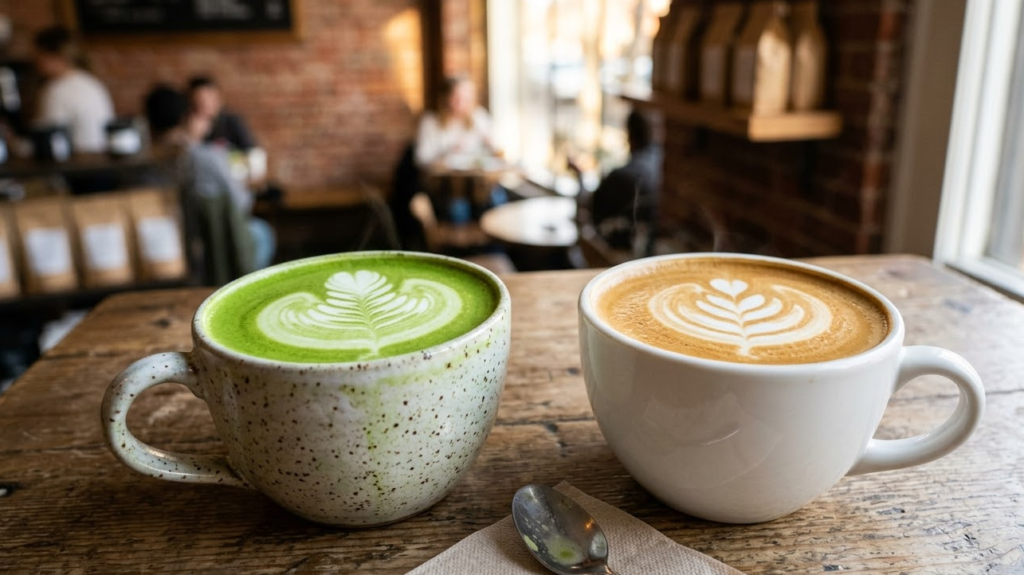
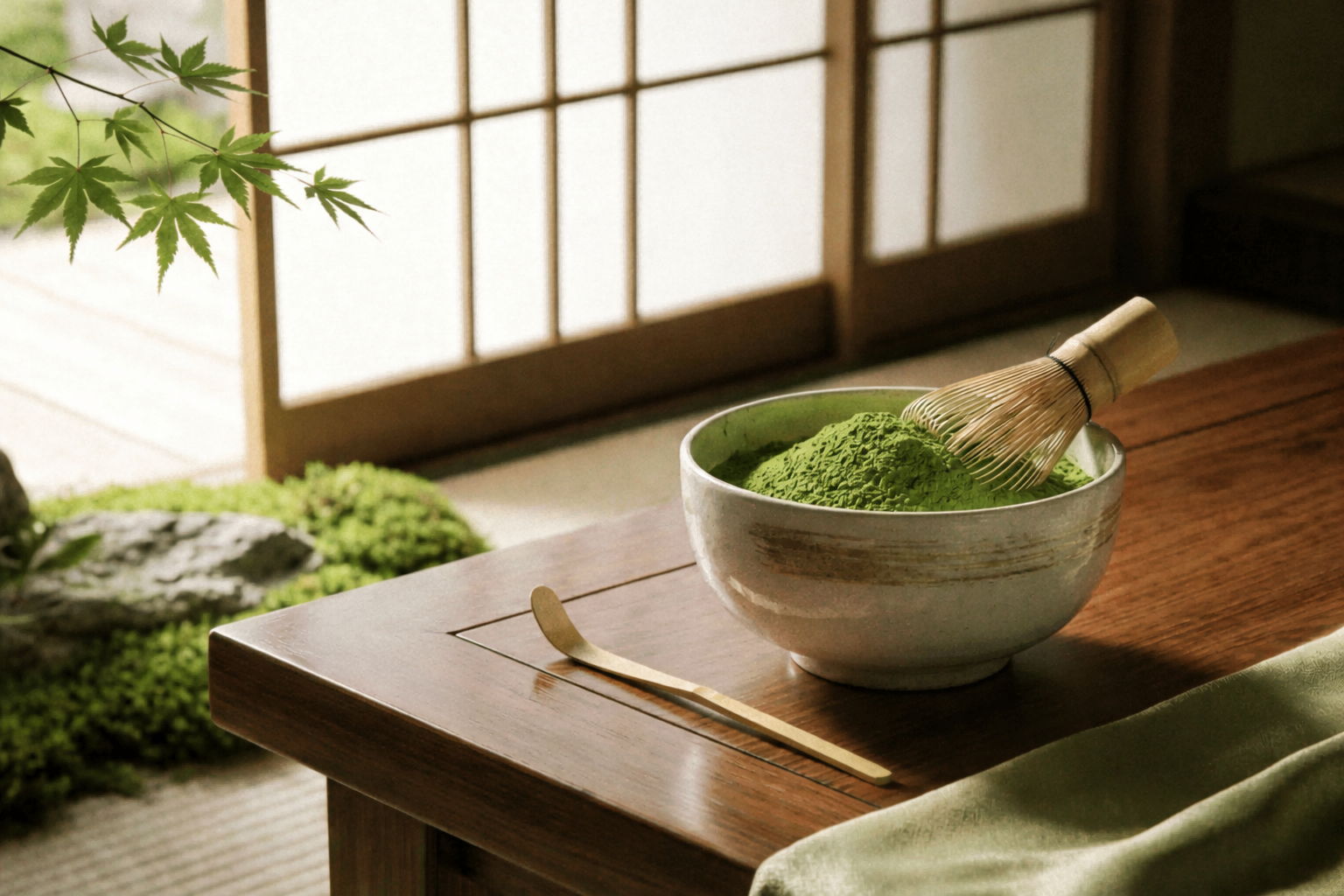
Want to launch your own matcha brand but find manufacturing intimidating? OEM simplifies this, letting you focus on your brand while a factory handles production.
OEM for private label matcha1 means a factory handles production—from raw tea to finished powder—for your brand. You choose a grade from the supplier's existing lineup, and they put it in your custom packaging. It's a partnership to build your product line efficiently.
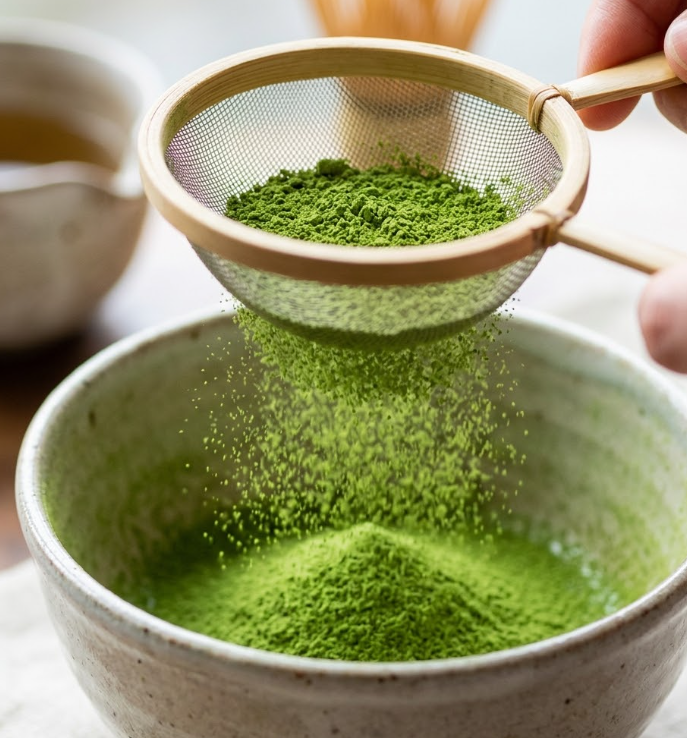
This sounds simple, but the details matter. A successful private label matcha brand2 isn't just about finding a factory; it's about following a clear process. I've guided many partners through this journey, from small startups to established food companies. Let me walk you through the key steps so you can avoid common mistakes and build a product you can be proud of.
What's the First Step in Starting a Private Label Matcha Brand?
Thinking about price first? This common mistake can lead to a product that doesn't sell. A mismatched product is a waste of investment. Start with your customer instead.
The first step is defining your product's use3. Will it be for lattes, baking, or pure tea? This decision determines the matcha grade4, flavor, color, and cost structure. It all starts with who you are selling to and how they will use it.
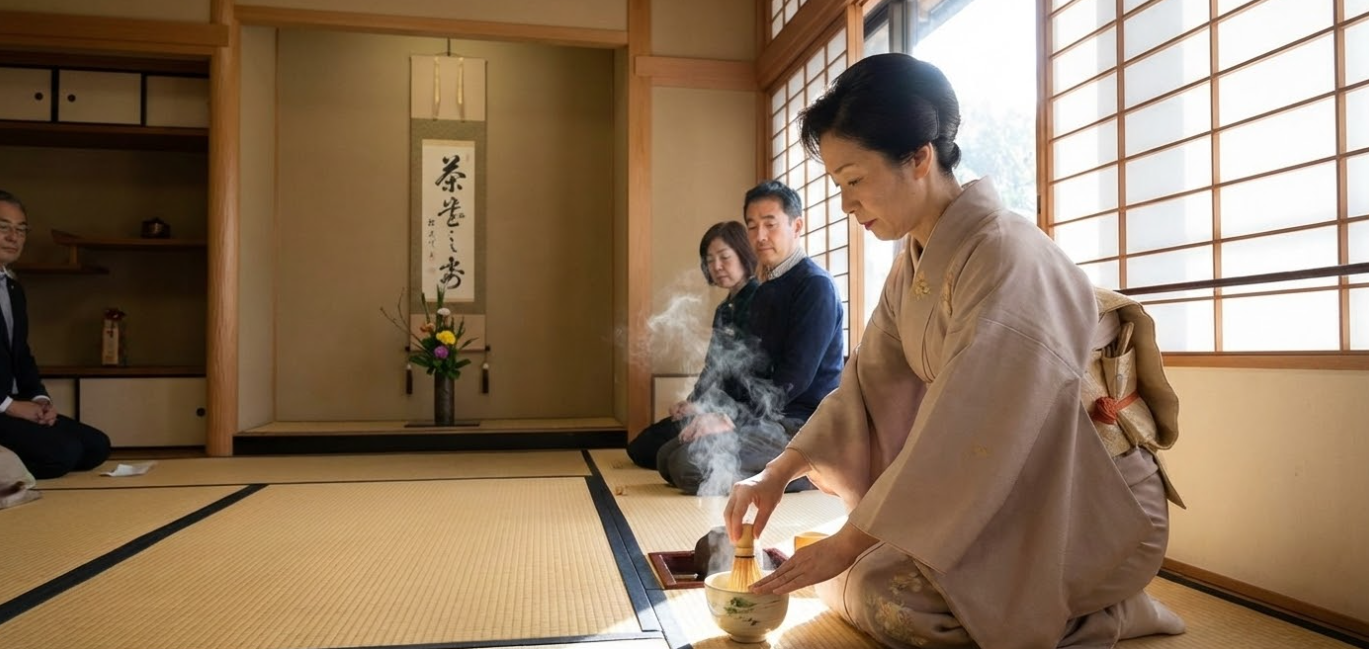
When you start a private label brand, your first thought might be about price. But I have learned from years in this business that starting with the application is much more important. The needs of a café making matcha lattes are completely different from a bakery making matcha cookies or a brand selling high-end ceremonial tea. For example, JETRO's research on the matcha market shows that much of the growth is not just in retail tins but in food service and processing applications.
Why Application Defines Everything
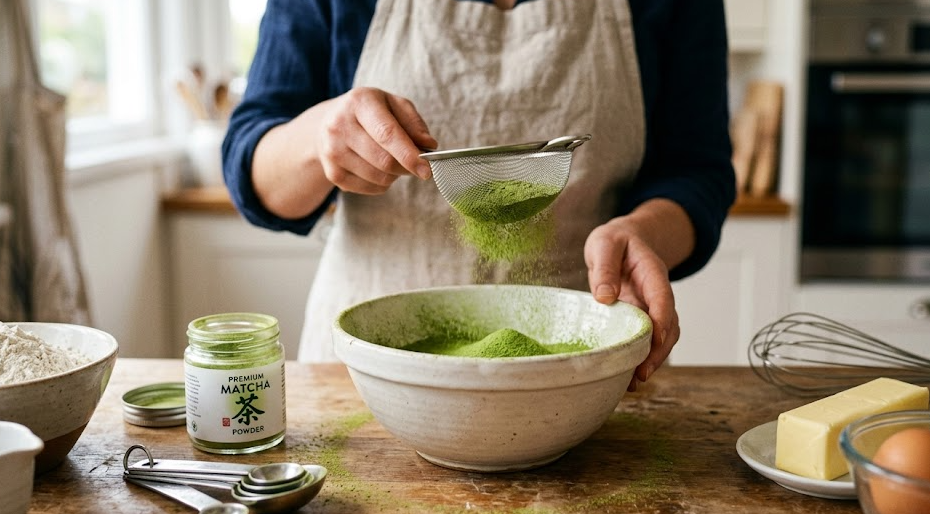
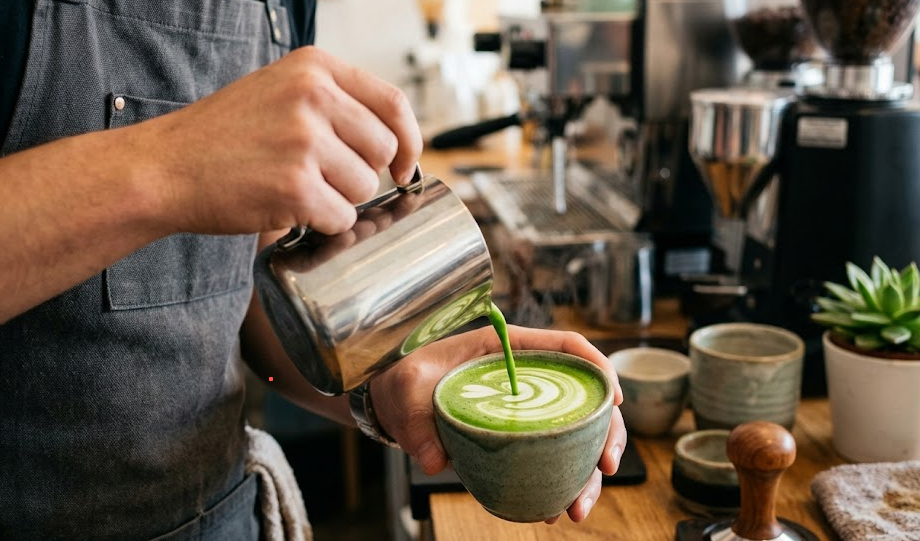
Your target application5 directly influences the technical specifications of the matcha you need. A bright green color that looks great in a latte might not survive the high heat of an oven. A delicate, savory umami flavor perfect for a traditional tea ceremony would be lost and wasted when mixed with milk, sugar, and ice. You have to match the matcha to the job.
Matching Grade to Application
Here is a simple breakdown I use to help my partners choose the right path.
| Application | Recommended Grade | Key Characteristics |
|---|---|---|
| Ceremonial Tea | Ceremonial Grade | Bright green, strong umami, low bitterness, fine powder. |
| Matcha Lattes | Latte / Premium Grade | Vibrant green, balanced flavor, smooth texture, foams well. |
| Baking / Desserts | Culinary / Ingredient Grade | Strong flavor, deep green color, higher bitterness to cut through sugar. |
| Smoothies / Ice Cream | Ingredient Grade | Good color retention, bold taste that isn't lost when mixed. |
By defining your product's purpose first, you create a clear brief for your manufacturing partner. This makes the entire OEM process smoother and sets you up for success from day one.
How Do You Find the Right OEM Matcha Supplier6?
You need an OEM partner, but not all suppliers are the same. Choosing the wrong one can limit your growth. You need to know what kind of partnership you are entering.
When looking for a factory, first see what kind of OEM they offer. Most offer white-labeling (rebranding existing products), semi-customization, or deep customization. For new brands, starting with a white-label or semi-custom option is the fastest path to market.
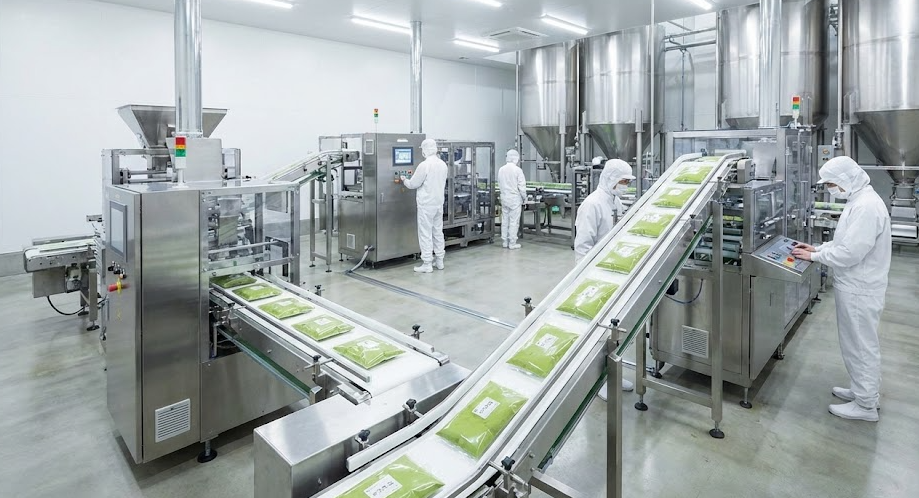
Finding the right partner is about understanding what they can realistically do for you. In my experience, OEM partnerships fall into three main categories. It's crucial to know which one you are getting into, as it affects your costs, timeline, and flexibility. Many suppliers say they do "OEM," but what they mean can vary greatly. As a case from JETRO shows, even a simple approach like using a factory's existing tins with your own original label is a valid and common way for brands to get started with private label.
OEM Models Explained7
Let's break down the three common models you will find.
| OEM Type | Description | Best For |
|---|---|---|
| White-Label | You select a product from the factory's existing catalog and put your brand's label on it. | New brands, market testing, speed to market. |
| Semi-Custom | You start with an existing product and request minor changes, like adjusting the blend ratio, net weight, or packaging format. | Brands with some market feedback and want to differentiate a little. |
| Deep-Custom | You work with the factory to develop a unique matcha formula from scratch based on your target flavor, color, and application. | Established brands with high volume and specific product requirements. |
For most businesses I work with, the journey starts with white-labeling. It is the lowest-risk way to enter the market. You can test your concept and build sales volume. Once you have a proven product, you can then move toward semi-custom or deep-custom projects to further refine your offering and strengthen your market position.
What Does the OEM Matcha Production and Compliance Process Actually Look Like?
Think OEM is just packing powder into a bag? This oversimplification can lead to quality issues and import delays. The real process is much more detailed and requires careful management.
A true OEM process involves many steps. It starts with sourcing the right raw tea8 (tencha), followed by precise processing, grinding, and sample approval. Then, it covers compliance checks, packaging design, mass production, and finally, quality-controlled shipment9.
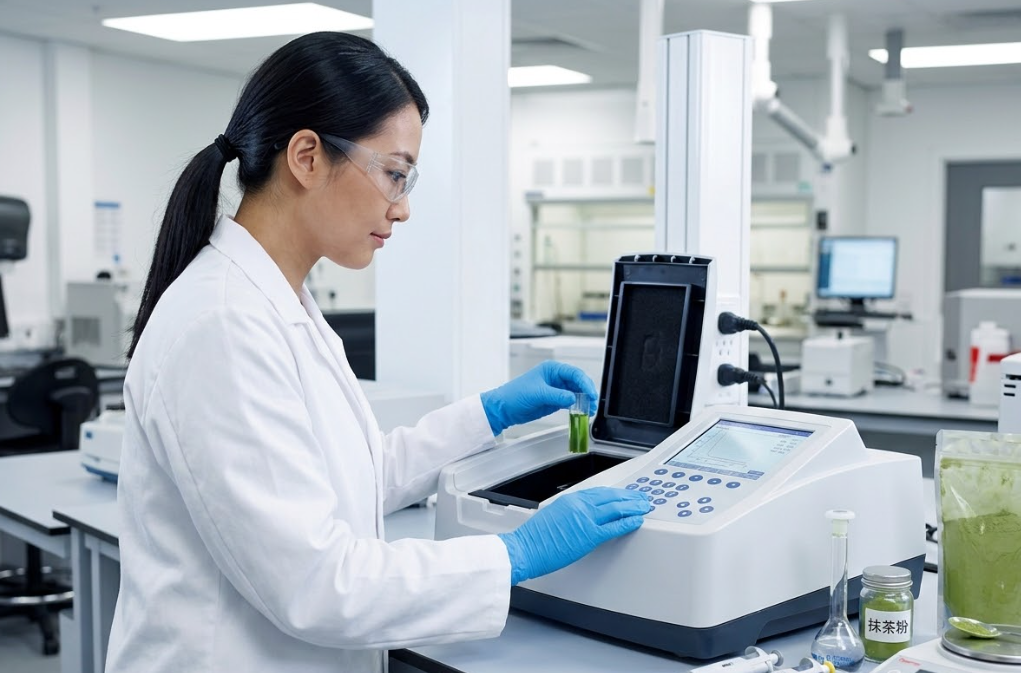
The real work in OEM is in the details. It's not just about filling bags; it's about creating a replicable, high-quality product that meets all legal requirements. This is where a good manufacturing partner adds huge value. They manage a complex chain of events for you.
From Raw Tea to Final Powder
It all begins with the raw material, called tencha. A good OEM partner first confirms the source of the tencha, whether it needs to be organic, and what the target flavor profile is. Then, this tencha is carefully processed, ground into fine matcha powder, and prepared for packaging. As an example from Japan's MAFF highlights, export-focused production systems often involve multiple growers, tencha10 factories, and exporters working together.
Locking in Quality with Samples11
Once a potential grade is ready, you will receive samples. Your job is not just to ask "Do I like it?" but to create a specification sheet. You must document the acceptable color, aroma, bitterness, finish, and foam. This document becomes the standard for all future production runs, ensuring consistency from your first batch to your hundredth.
Navigating Compliance12 Before You Produce
This step is critical. If you plan to sell in the US, your product and factory must comply with FDA rules. If you sell in the EU, you must meet their strict MRLs for pesticides. A good partner helps you navigate this early. You must address compliance before mass production, not after the goods are finished.
From Production to Your Warehouse
After you approve the sample and final packaging design, mass production begins. The factory handles grinding, packing, quality checks, and preparing shipping documents. Your focus shifts to logistics: managing lead times, transport, and customs clearance. Because matcha is sensitive to heat, light, and air, the "end" of production is really just the beginning of the journey to your customer.
What Key Areas Should I Focus on to Ensure My Private Label Project Succeeds?
Worried your OEM project might fail because of hidden issues? Many brands focus only on the powder's taste. Let me show you what really matters for long-term success.
To succeed, you need to look beyond the matcha itself. Focus on four key areas: confirming the OEM type13, matching certifications to your market, verifying realistic capacity and lead times, and clearly defining who is responsible for each risk in your contract.

A successful private label partnership is built on clarity and trust. Over the years, I've seen projects succeed or fail based on how well the brand owner managed a few key business areas. It's about asking the right questions before you sign a contract.
1. Know if It's White-Label14 or Truly Custom
Many suppliers will say they can "do OEM" for you. You need to clarify if this means simply putting your label on their stock product or if they are open to actual customization. White-labeling is a great start, but you need to know exactly what you are buying.
2. Align Certifications with Your Market
Don't assume a factory's certifications will work everywhere. If you need Organic (EU, USDA, JAS), Rainforest Alliance, Kosher, or Halal, you must confirm the supplier holds the specific certification for your target market. As Aiya mentioned in a JETRO interview, demand for organic and other certifications is growing, so this is a key selling point.
3. Confirm Realistic Capacity and Lead Times
Not all factories want private label business long-term. Some large manufacturers may even pause these services, as Aiya America announced they would do. Before you commit, ask about their current capacity, minimum order quantities (MOQ), and typical lead times. Ensure their production schedule aligns with your business needs.
4. Define Who Manages Risk
A contract should clearly state who is responsible for what. Typically, the factory is responsible for production quality and factory-side documents. The brand is responsible for packaging copy, import compliance, and sales. But what about a batch variation, a label error, or a product recall? The FDA states that the importer bears responsibility for the product's compliance. You must have these difficult conversations and put the answers in writing.
Conclusion
OEM matcha is about replicating a complex supply chain under your brand. Start by rebranding a proven product, then grow into deeper customization as your business scales.
Understanding OEM for private label matcha is crucial for launching a brand efficiently, as it simplifies production and allows focus on branding. ↩
Starting a private label matcha brand involves strategic planning, from defining product use to choosing the right OEM partner. ↩
Defining your product's use helps in selecting the right matcha grade, ensuring the product meets customer needs and stands out in the market. ↩
Choosing the right matcha grade is essential for product quality and customer satisfaction, impacting flavor, color, and cost. ↩
Target application determines the technical specifications of matcha, ensuring it performs well in its intended use, like lattes or baking. ↩
Finding the right OEM matcha supplier is key to ensuring quality production, compliance, and successful brand partnership. ↩
Understanding OEM models helps in choosing the right production approach, whether white-label, semi-custom, or deep-custom, based on brand needs. ↩
Sourcing the right raw tea is crucial for achieving the desired flavor profile and quality in the final matcha product. ↩
Quality-controlled shipment ensures the matcha maintains its quality during transport, reaching customers in optimal condition. ↩
Tencha is the raw material for matcha, and its quality directly affects the flavor and quality of the final product. ↩
Samples help in setting quality standards for matcha production, ensuring consistency and customer satisfaction across batches. ↩
Navigating compliance is essential to meet legal requirements and avoid import delays, ensuring smooth market entry. ↩
Confirming the OEM type helps in understanding the level of customization and partnership, impacting costs and product development. ↩
White-labeling allows new brands to enter the market quickly by rebranding existing products, minimizing risk and investment. ↩