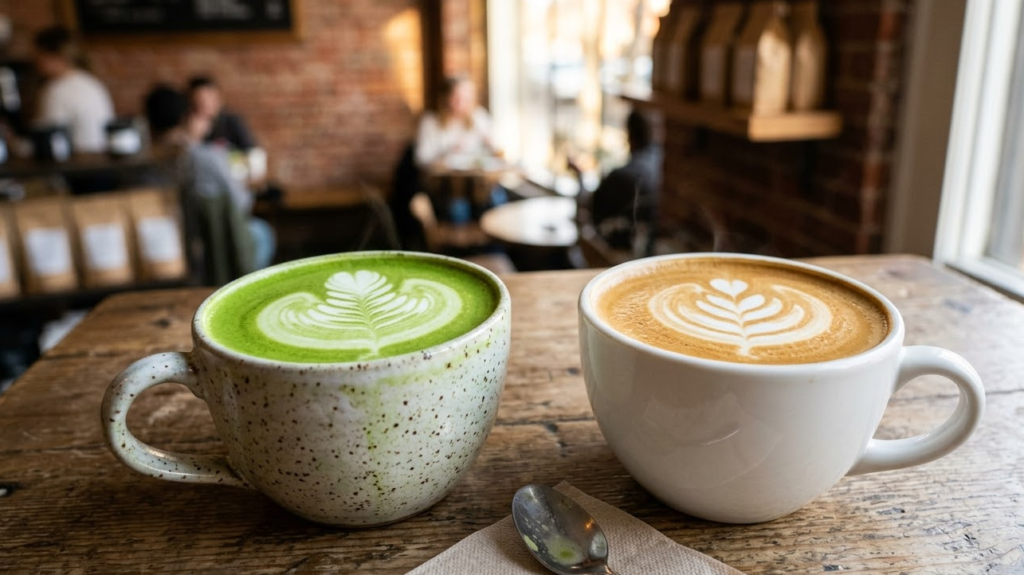
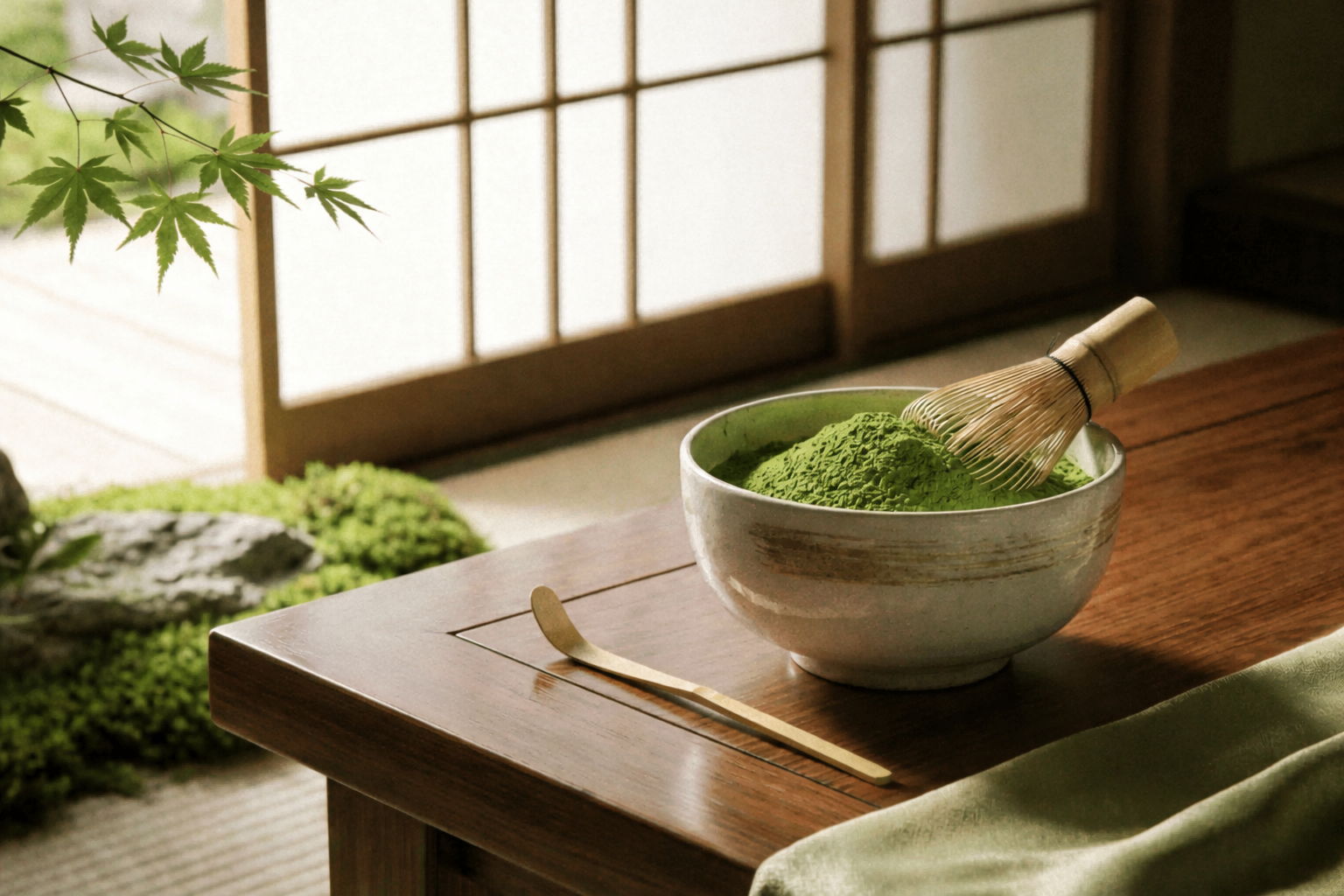
Struggling to find a matcha that doesn't get lost in your bubble tea? Your drinks lack that bold green tea flavor and color, disappointing customers and hurting sales.
The best matcha for bubble tea isn't the most expensive ceremonial grade. It's a culinary or barista-grade powder1 with strong flavor penetration2, vibrant color in milk, and easy dispersibility3. This ensures your drinks are consistently delicious, visually appealing, and profitable.
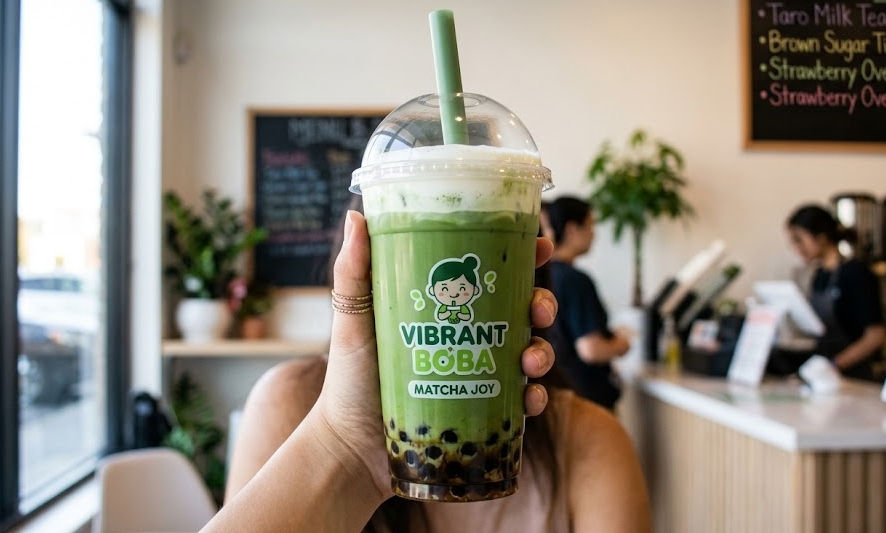
Choosing the right matcha goes beyond just tasting the powder. It's about understanding how it performs in a real-world cafe environment, mixed with milk, sugar, and ice. I've spent years helping brands make this choice, and it always comes down to a few key factors. Let's break down what really matters for your bubble tea menu.
Does Your Matcha's Flavor Stand Out in a Sweet Drink?
Your matcha latte tastes more like sweet milk than tea. The delicate flavor you paid for vanishes completely, leaving customers wondering where the matcha is.
A matcha for bubble tea needs strong flavor penetration2. It must cut through sugar, milk, creamer, and even fruit flavors. A slightly bolder, more robust profile is better than a delicate one, ensuring the tea's presence is felt in the final drink.
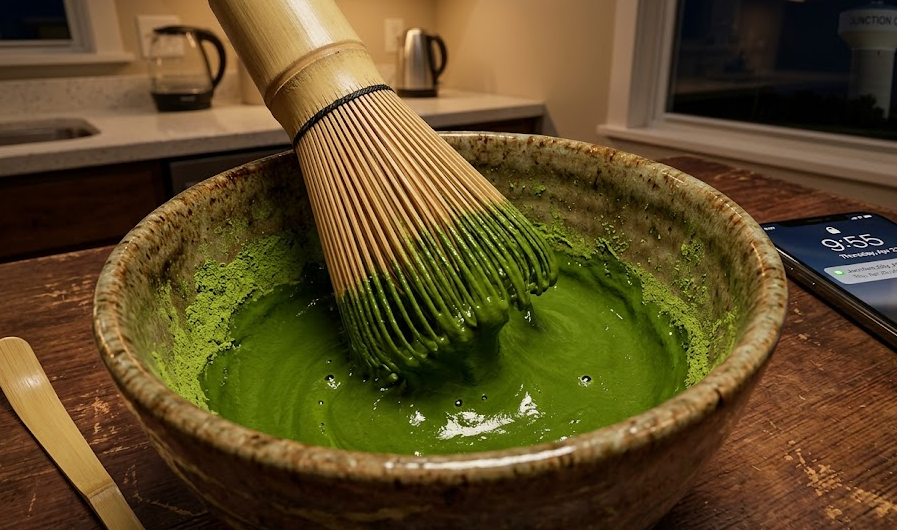
This is the first thing I check. In a bubble tea shop, matcha is not the only star. It has to compete with many other ingredients. A ceremonial-grade matcha4, which is perfect for drinking with just water, is often too subtle. Its delicate, sweet notes get completely overpowered by milk and sugar. You end up with a green-colored drink that has no real tea taste. That's why we guide brands toward specific barista or culinary grades. These grades are designed to have a stronger structure. They might be slightly more bitter or astringent on their own, but this boldness is exactly what helps them shine in a complex recipe.
Flavor Profile Breakdown
| Feature | Ceremonial Grade (for Water) | Barista/Culinary Grade (for Lattes) |
|---|---|---|
| Primary Taste | Umami, light sweetness | Bold, slightly astringent |
| Aroma | Delicate, fresh grass | Rich, roasted notes |
| Performance in Milk | Gets lost, flavor disappears | Cuts through, taste is clear |
| Best For | Traditional tea ceremony | Bubble tea, lattes, smoothies |
This approach ensures the final product delivers a true matcha experience, not just a hint of green.
Is Your Matcha's Color Vibrant in the Final Cup?
Your matcha drinks look dull and yellowish-brown. This unappealing color makes your menu photos look sad and discourages customers from ordering, impacting your sales.
Focus on the "in-cup color," not the dry powder's color. A high-quality commercial matcha should create a vibrant, appealing green when mixed with milk or a milk alternative. This visual appeal is crucial for social media shares and menu attractiveness.
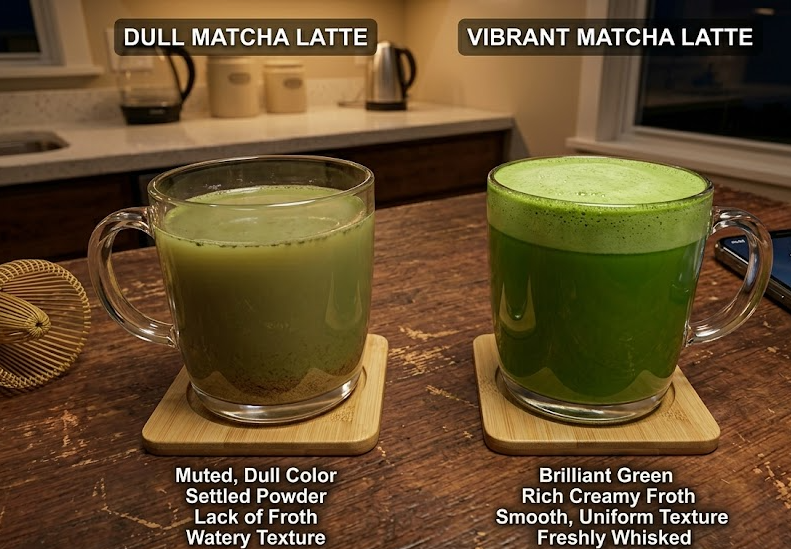
I always tell my clients to test the matcha in their actual recipe. A powder can look incredibly green in the sample bag, but then turn a muddy, swampy color once it hits the milk and ice. This happens for many reasons, including oxidation5 and the powder's specific chlorophyll content6. For bubble tea brands, the visual experience is half the sale. Customers see the drink before they taste it. A bright, inviting green in a matcha latte or cheese foam topping is a powerful marketing tool. That's why suppliers who specialize in beverage ingredients often emphasize "vibrant green color7" as a key feature. We specifically process our matcha to maintain its color stability8 in various applications, ensuring your drinks look as good as they taste.
Color Stability Checklist
- Test in Milk: How does the color look after mixing with your standard dairy or non-dairy base?
- Test with Ice: Does the color remain vibrant when diluted and chilled?
- Test Over Time: Does the drink's color fade or turn brown quickly after being made?
- Consistency: Is the color consistent from batch to batch?
A visually stunning drink is more likely to be photographed and shared, giving you free marketing.
How Easy Is Your Matcha to Prepare During a Rush?
Baristas are struggling with clumpy matcha during peak hours. Drinks are inconsistent, preparation is slow, and customers are left waiting for their orders, creating stress and inefficiency.
Great commercial matcha must be easy to work with. It should dissolve quickly and smoothly with minimal clumping to ensure fast and consistent drink preparation. Good dispersibility3 is key for operational efficiency in a busy bubble tea shop, reducing waste and training time.
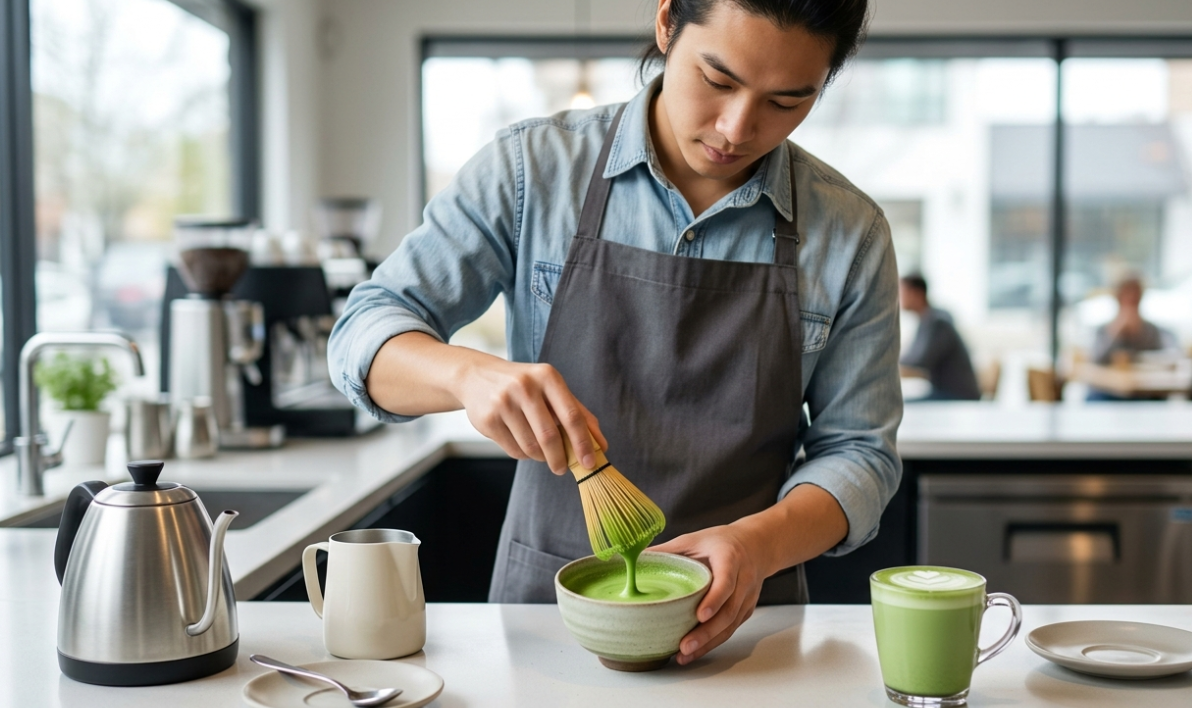
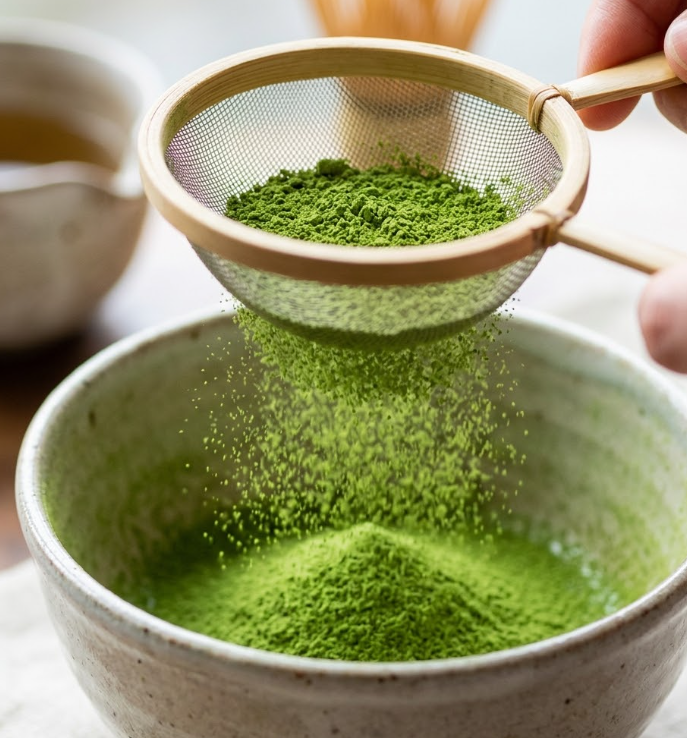
A bubble tea shop is not a traditional tea ceremony. Speed and consistency are everything. If your baristas have to spend a long time whisking every single scoop of matcha to break down clumps, you are losing valuable time. This slows down your entire line, especially during the lunch rush. That's why I always check for dispersibility3. A finely milled powder that is processed correctly will integrate into liquid much more easily. We often recommend sifting the powder or using a small electric frother9 to make a quick slurry with hot water before adding milk and ice. This simple step ensures a perfectly smooth texture every time. The goal is to create a workflow that any staff member can follow easily to produce a perfect drink in under a minute.
Improving Matcha Workflow
| Step | Action | Benefit |
|---|---|---|
| 1. Sift | Sift the matcha powder before use. | Removes static clumps, ensures smooth mixing. |
| 2. Slurry | Whisk powder with a little hot water. | Creates a smooth paste, prevents lumps in milk. |
| 3. Tooling | Use an electric milk frother. | Very fast, consistent results, easy for staff. |
| 4. Training | Standardize the preparation steps. | Every drink is the same, regardless of who makes it. |
An easy-to-use matcha makes your team's job easier and keeps your customers happy.
Should You Use Pure Matcha Powder or a Pre-Mix?
You're confused about which type of matcha product to buy. Choosing the wrong one could complicate your operations or limit your ability to create unique recipes.
The choice depends on your business model. Use 100% pure matcha for full creative control and custom recipes. Choose a pre-mixed powder10 (with sugar and/or creamer) for maximum efficiency, consistency, and ease of use in a high-volume, standardized chain.
This is a critical strategic decision, not just a supply choice. I ask brands to think about their product model first. Are you a craft-focused shop that wants to create signature recipes? Then you need 100% pure matcha powder11. This gives your team the flexibility to control the sweetness, matcha intensity, and overall flavor profile for each drink on your menu. However, if you are a multi-store chain focused on standardization and speed, a pre-mix might be better. These instant powders already contain matcha, sugar, and sometimes creamer. They reduce the number of steps for your baristas, minimize the chance of error, and ensure that a matcha latte in one location tastes exactly the same as in another.
Pure Powder vs. Pre-Mix
| Factor | 100% Pure Matcha Powder | Matcha Pre-Mix Powder |
|---|---|---|
| Flexibility | High (custom recipes) | Low (fixed recipe) |
| Consistency | Depends on barista skill | Very high (standardized) |
| Speed | Slower (more steps) | Faster (fewer steps) |
| Inventory | Requires separate sugar, milk | Simpler (fewer ingredients) |
| Best For | Craft cafes, menu innovation12 | Large chains, quick-service models |
There is no "wrong" answer here. The right choice depends entirely on your brand's goals and operational priorities.
How Does Matcha Affect Your Cost-Per-Cup and Profit?
You're using an expensive matcha, but your profit margins13 are thin. You're worried that cutting costs will mean sacrificing the quality your customers expect.
The best matcha for your brand is not just about taste; it's about profitability. Calculate your cost-per-cup14 based on the required dosage (e.g., 5-7 grams) to achieve the right flavor. A cost-effective matcha delivers great results without destroying your margin.
A successful business has to be profitable. I've seen brands fall in love with a beautiful, expensive matcha during a tasting, only to realize later that they can't afford to use it in their drinks. The key is to analyze the cost-per-cup14. A cheaper matcha might seem like a good deal, but if you need to use 10 grams per drink to get any flavor, it might end up being more expensive than a higher-quality powder where you only need 5 grams. When we work with clients, we help them test different grades at different dosages. We want to find that sweet spot: the grade that delivers the target flavor and color at a cost that supports their retail price point. Remember, you are selling hundreds or thousands of these drinks. A small difference in cost per serving adds up to a huge amount over time.
Calculating Cost-Per-Cup
- Supplier Price: Get the price per kilogram (e.g., $50/kg).
- Dosage per Drink: Determine how many grams you need for your recipe (e.g., 7g).
- Calculation:
- Cost per gram = $50 / 1000g = $0.05/g
- Cost-per-cup = $0.05/g * 7g = $0.35
This simple calculation is essential for building a sustainable and profitable menu.
Can Your Supplier Guarantee Consistent Quality at Scale?
Your new matcha drink is a hit, but now your supplier is out of stock. Or the new batch looks and tastes completely different, leading to customer complaints.
A reliable supplier is as crucial as the matcha itself. Ensure they can provide consistent quality across different batches and scale production to meet your demand as you grow. This prevents stockouts and protects your brand's reputation for consistency.
This is a lesson many brands learn the hard way. Finding a good matcha is one thing; finding a supplier who can deliver that same matcha, month after month, is another. I always emphasize the importance of a stable supply chain. What happens when your matcha drink goes viral and your orders suddenly triple? Can your supplier handle it? What about batch-to-batch consistency15? Matcha is an agricultural product, so some variation is natural. However, a professional supplier has processes to manage these variations and ensure the final product you receive is consistent in color, flavor, and texture. This is where our control from farm to factory becomes a huge advantage. We manage everything, so we can guarantee that the matcha you approve in a sample is the same matcha you'll get in a pallet-scale order six months later.
Supplier Reliability Checklist
| Question to Ask | Why It Matters |
|---|---|
| Do you own or manage your own tea gardens? | Ensures control over raw material quality and supply. |
| What is your production capacity? | Confirms they can handle your growth and large orders. |
| How do you ensure batch consistency15? | Shows they have quality control systems in place. |
| Do you have international certifications? | Proves they meet global standards for safety and quality. |
A strong partnership with your supplier is the foundation for long-term success.
Conclusion
Choosing matcha for bubble tea isn't about finding the highest grade. It's about finding a balanced powder that delivers on flavor, color, efficiency, cost, and supply stability.
Learn why culinary or barista-grade matcha is ideal for bubble tea, offering strong flavor, vibrant color, and easy dispersibility. ↩
Understand how matcha with strong flavor penetration enhances the taste of bubble tea, cutting through milk and sugar. ↩
Explore why dispersibility is crucial for efficient matcha preparation in busy bubble tea shops. ↩
Learn why ceremonial-grade matcha's delicate flavor is unsuitable for bubble tea, which requires a bolder profile. ↩
Learn how oxidation can dull matcha's color and how to prevent it for visually appealing drinks. ↩
Understand the role of chlorophyll in maintaining matcha's vibrant green color in bubble tea recipes. ↩
Discover how vibrant green matcha enhances the visual appeal of bubble tea, boosting customer interest and social media shares. ↩
Understand the factors that maintain matcha's vibrant color in bubble tea, even with milk and ice. ↩
Find out how using an electric frother ensures smooth and quick matcha preparation, ideal for busy cafes. ↩
Learn how pre-mixed matcha powder simplifies operations and ensures consistency in high-volume bubble tea shops. ↩
Discover the flexibility and creative control offered by 100% pure matcha powder for crafting unique bubble tea recipes. ↩
Find out how pure matcha powder allows for creative and customizable bubble tea recipes. ↩
Explore how selecting the right matcha can optimize costs and improve profit margins for your bubble tea business. ↩
Learn how to calculate cost-per-cup to balance quality and profitability in your bubble tea business. ↩
Understand the importance of batch consistency to ensure uniform flavor and color in your bubble tea offerings. ↩