
Scaling your brand is exciting, but inconsistent matcha1 can ruin products. One bad batch causes customer complaints2 and rework. The solution is verifying your supplier's control systems.
*To ensure matcha consistency, you must verify your supplier's control over four key areas: single-origin sourcing3, [quantifiable color standards (Lab)](https://www.hunterlab.com/blog/how-to-achieve-consistent-color-in-plant-based-drinks/)%%%FOOTNOTE_REF_4%%%, stable particle size distribution5, and a complete batch-level traceability system6. These factors guarantee quality beyond just a "consistent formula."**
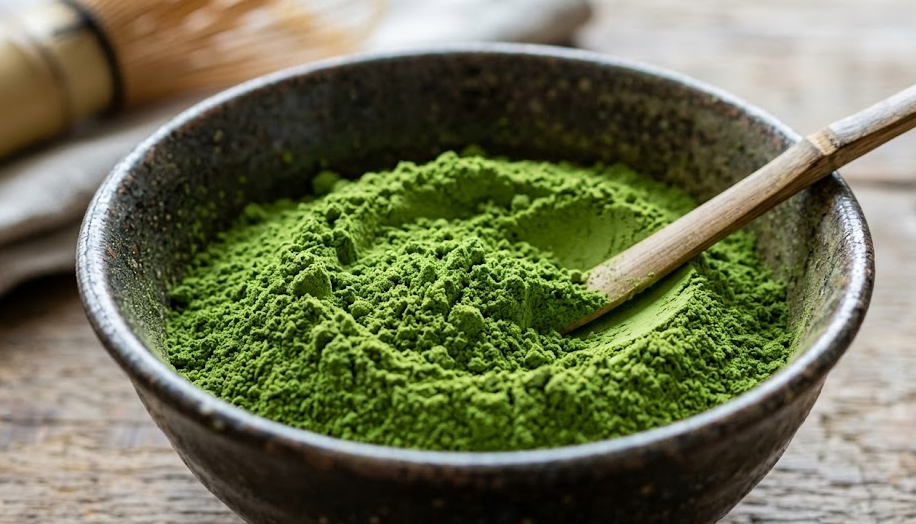
I have worked with sourcing directors and R&D leads in global trade. They perfect their formulas and successfully test them in the market. But then, as their brand grows from 50 stores to 500, one problem slows them down: batch fluctuation7. The matcha delivered last month was bright green and tasted great. This month's batch is yellow, bitter, and clumpy. It even suspends differently in their RTD beverages. For a factory producing thousands of bottles a day, this is a systemic risk. It leads directly to complaints, rework, and lost brand trust. Many buyers think a "consistent formula" promise from a supplier is enough. But matcha is a farm product first, and an industrial ingredient second. Without strong control over the origin, processing, and testing, consistency is just a talking point. Based on our experience at MatchaSourcing.com, I want to share four key control points that truly impact batch consistency.
Should You Prioritize Single-Estate Matcha for a Stable Supply?
Your matcha color and flavor suddenly changed. This inconsistency creates production chaos and damages brand trust. The root cause is often unstable raw material sourcing.
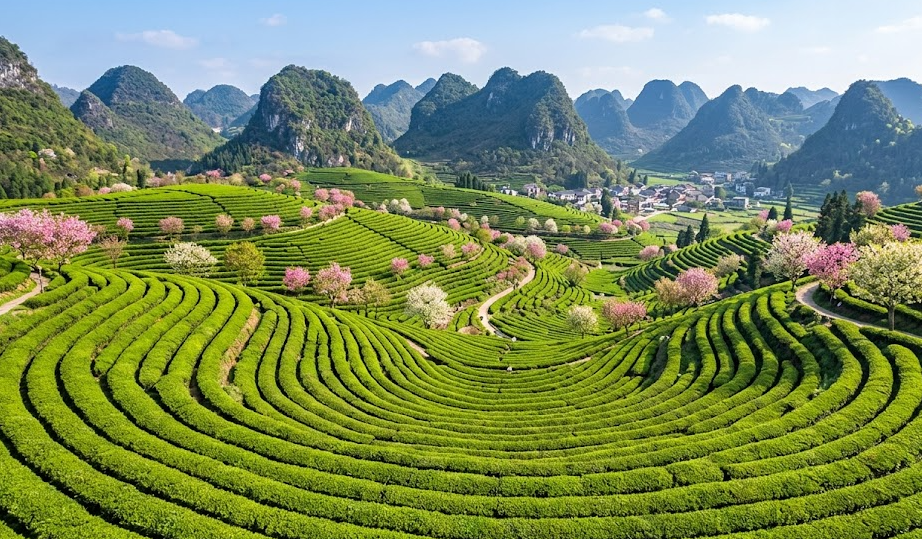
Yes, you should prioritize suppliers with single-estate or stable partner farms8. This minimizes variables like soil, sunlight, and shading from the very beginning. True consistency starts in the tea garden, not just at the factory, ensuring a more reliable raw material base.
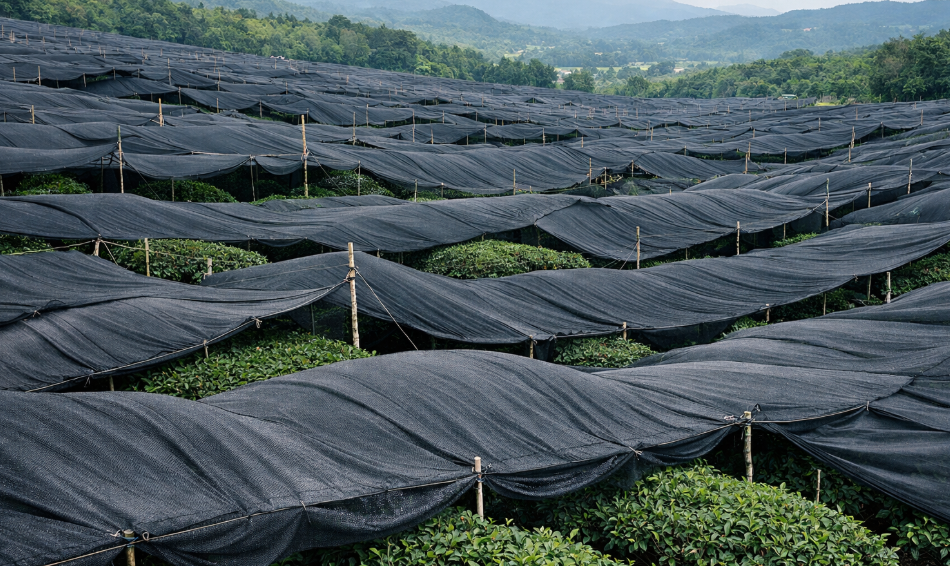
Why do so many matcha batches have different colors and flavors? A common reason is that suppliers do not have a stable raw material base. They might mix fresh leaves or crude tea from many different gardens to fill an order. The problem is that each plot of land can have different sunlight, altitude, soil, shading, and harvest times. If the raw materials are too diverse, it is very difficult to "fix" them during processing. A safer approach is to look at two things.
Stable Sourcing
Does the supplier have a single-estate or a system of long-term, stable partner farms8? This is the foundation. When a supplier controls the entire tea garden, they can enforce uniform standards from the start. This reduces the natural variations that cause problems later.
Unified Farming Standards9
Do they have clear standards for key farming practices like fertilization, shading, and harvest cycles? For brands that need a reliable long-term supply, real consistency begins at the farm. If the source itself is inconsistent, even the best grading and milling equipment can only make small corrections. You are simply trying to fix a problem that could have been prevented.
Is "Looks Good" a Reliable Way to Judge Matcha Color?
You approve a matcha sample by eye. But the next bulk delivery looks different, causing chaos on your production line. You need objective, measurable color standards to avoid this.
*No, relying on visual checks is not enough for bulk purchasing. A more professional method is to use quantifiable color management, like the Lab color system. This provides objective data to ensure visual consistency across every batch, protecting your brand's appearance.**
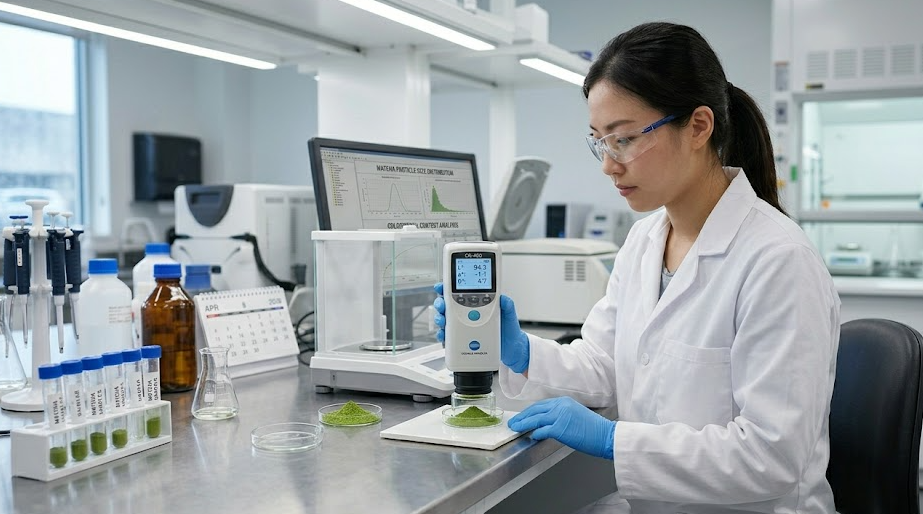
For small batches, many suppliers still judge quality by "looking at the color, smelling the aroma, and tasting the flavor." This might work for samples. But for large international orders, "looks about the same" is not good enough to guarantee stable deliveries. A more mature approach is to use color value management. For example, we use the Lab* color system to quantitatively assess the overall color of each matcha batch. The key parameters to watch are:
| Parameter | Description | Importance for Matcha |
|---|---|---|
| **L*** | Brightness | Measures how light or dark the powder is. |
| **a*** | Green-Red Axis | The core parameter for measuring "green performance." |
| **b*** | Yellow-Blue Axis | Indicates the level of yellowness or blueness. |
For customers who need stable shelf appearance, consistent in-store products, or uniform beverage color, color values should be a key part of batch acceptance. They are not just a reference point. A truly stable supply system should be able to provide batch test data. The supplier should also work with you to set an acceptable range for color value fluctuation. This gives your procurement and R&D teams a consistent standard for every reorder.
Why Does My Matcha Clump Even When the Color is Right?
Your matcha color is perfect. But in your drinks, it clumps, sinks, and performs poorly, ruining the customer experience. The problem is likely inconsistent particle size.
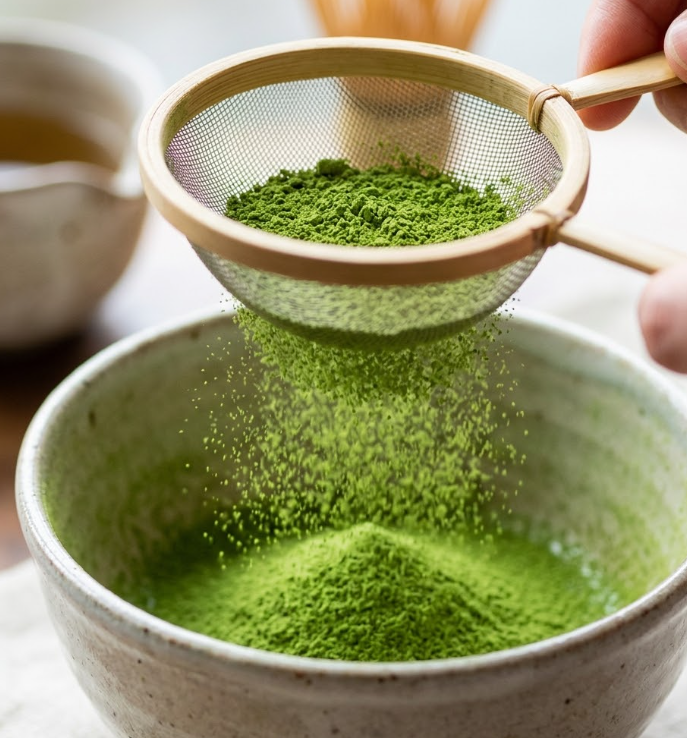
Inconsistent particle size is often the culprit. Even if color and taste are consistent, unstable milling and sifting processes can affect how matcha powder behaves. This impacts dispersibility, suspension, and mouthfeel, especially in drinks and baked goods.
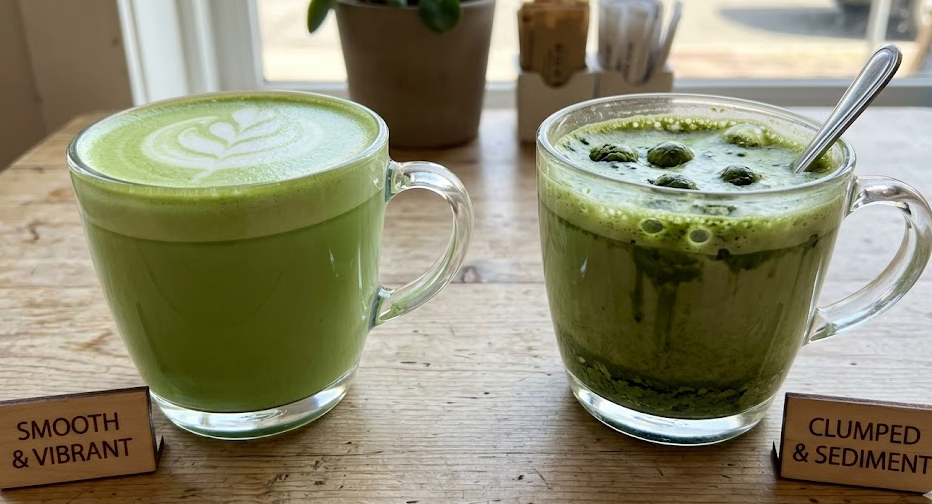
Many customers first notice color and taste when they encounter a batch problem. But for applications like RTD drinks, baking, premixes, and beverage chains, particle size distribution is just as crucial. Why do some matcha batches clump, settle, or stick to the cup more easily? The reason is often not just the raw material. It can also come from unstable milling processes, sieving standards, and particle size control10. In industrial applications, particle size directly affects:
- Dispersibility: How well the powder mixes into liquids.
- Suspension: How long the powder stays suspended without settling.
- Mixing Efficiency: How quickly and easily it incorporates into a recipe.
- Mouthfeel: The texture and smoothness of the final product.
- Compatibility: How it works with dairy, plant-based liquids, or doughs.
So, if your product is used in high-frequency, standardized production, don't just ask "is it matcha?" You should also ask: What is the milling standard11 for this batch? Can you provide particle size or mesh size data? How is the deviation between batches controlled? This is a classic process control problem, not just a sensory one.
Is a Supplier's Promise Enough for Global Compliance?
Your supplier promises every batch is the same. But without proof, you face risks during customer audits, customs checks, and regulatory reviews. You need verifiable traceability for true security.
No, a promise is not enough. For global delivery, you need verifiable proof of consistency. Demand batch-level traceability. This provides a complete history from farm to final product, ensuring quality, safety, and compliance for high-standard international markets.
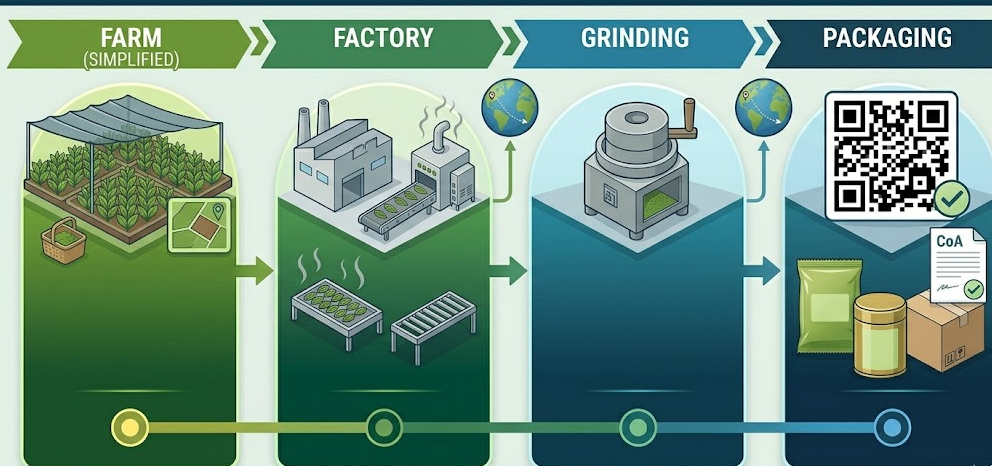
A supplier saying "this batch is the same as the last one" does not mean you have verifiable consistency. This is especially true when your product needs to enter overseas markets, pass customer factory audits, or face customs inspections. Verbal assurances are not enough. The more reliable approach is to require batch-level traceability. A mature traceability system should cover at least:
- A unique batch number for every order.
- Information on the raw material's origin.
- The dates of harvesting and processing.
- The corresponding Certificate of Analysis (COA)12.
- Third-party test reports13 for pesticides, heavy metals, and microbes.
- Links to certifications, such as USDA Organic, EU Organic, or JAS.
This is not just about quality consistency. It is also about legal and compliance safety. For international buyers, what is truly trustworthy is not "promised stability," but "verifiably stable14." This documented proof protects your business, reduces risk, and builds trust with your own customers and partners around the world.
Conclusion
In bulk matcha purchasing, consistency is never luck. It comes from a strong system of controls15 from the farm to the final package. It is the foundation for your brand's growth.
Understanding the impact of inconsistent matcha helps in maintaining product quality and customer satisfaction. ↩
Exploring the reasons behind customer complaints can help in improving product consistency and brand trust. ↩
Single-origin sourcing ensures uniform quality and flavor, crucial for maintaining consistency in matcha products. ↩
Using objective color standards helps in maintaining visual consistency across matcha batches, protecting brand appearance. ↩
Stable particle size distribution affects dispersibility and mouthfeel, crucial for matcha's performance in drinks and baked goods. ↩
Traceability ensures quality, safety, and compliance, providing verifiable proof of consistency for international markets. ↩
Batch fluctuation can lead to inconsistent product quality, causing rework and damaging brand trust. ↩
Stable partner farms minimize raw material variability, ensuring consistent matcha quality from the source. ↩
Unified farming standards ensure consistent practices in fertilization and harvest cycles, crucial for reliable matcha supply. ↩
Particle size control affects matcha's dispersibility and suspension, impacting its performance in various applications. ↩
Milling standards ensure consistent particle size, crucial for matcha's texture and mixing efficiency. ↩
A COA provides detailed information on matcha quality, ensuring compliance and safety for international markets. ↩
Third-party test reports verify matcha quality and safety, essential for building trust with international buyers. ↩
Verifiably stable matcha provides documented proof of consistency, crucial for building trust and reducing risks. ↩
A strong system of controls from farm to package ensures consistent matcha quality, supporting brand growth. ↩