
Are you struggling to find a reliable organic matcha supplier1? You find one, but then face inconsistent batches, compliance issues, and unstable deliveries when you need them most.
Sourcing organic matcha for global markets requires focusing on four key areas: market compliance2, batch-to-batch consistency3, application-specific grades4, and the total landed cost5. A reliable supply partner who manages these factors is more valuable than just a low initial price.
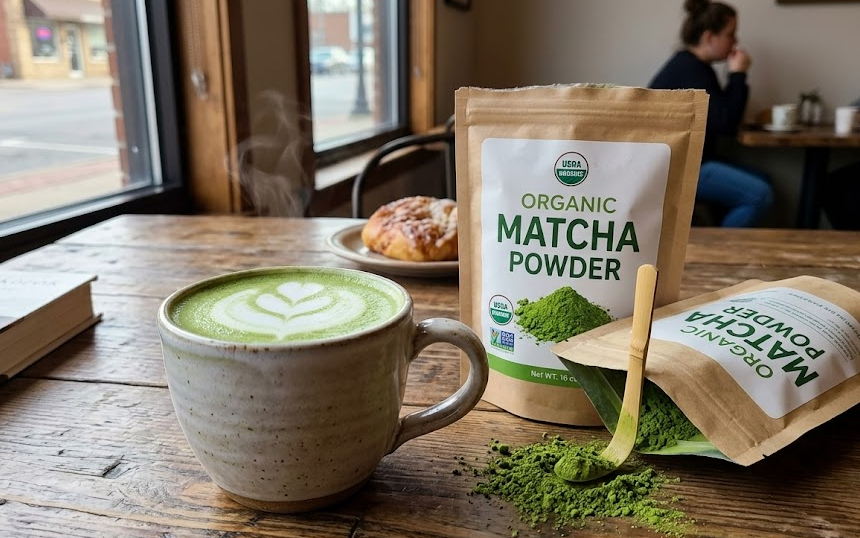
Over the years, I've worked with many beverage brands, food factories, and purchasing teams targeting North America, Europe, and the Middle East. I noticed a common pattern. The challenge isn't finding a supplier; it's finding a partner who can support your product launch, scale production, and deliver consistently. Sourcing organic matcha is not about buying a "very green" powder. It is about choosing a supply system that supports your business long-term. Let's look at the four questions that are more critical than price for making your organic matcha project a success.
Shouldn't You Check Market Compliance Before the Price?
You found a great price for organic matcha. But what if it gets stuck at customs because the certification isn't right? All that effort and money is wasted.
Yes, always verify compliance first. Before discussing price, confirm the supplier has the right organic certifications6 for your target market (like USDA, EU, or JAS) and can provide complete, traceable batch documentation. A low price is useless if the product cannot be legally imported.
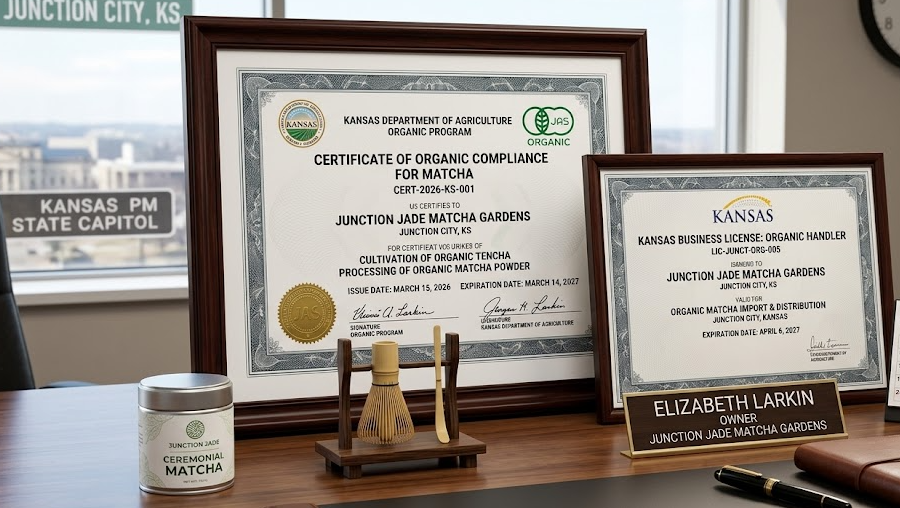
For any B2B buyer, the ideal partner is not just someone who can sell organic matcha. It's someone who can get a shipment safely and reliably into your target market. Many buyers focus on the unit price first, but for international markets, compliance is always number one. If the raw material cannot meet the requirements of your market, even the lowest price is meaningless.
Key Compliance Checks
Before you commit, it's critical to confirm a supplier's capabilities. A simple checklist can save you from major headaches down the road. We always advise our partners to verify these points at the very beginning of our conversation.
| Compliance Area | What to Verify |
|---|---|
| Organic Certifications | Does it match your market? (e.g., USDA, EU, JAS) |
| Batch Documentation | Can they provide COA, pesticide, and heavy metal tests? |
| Traceability System | Is there a real, auditable system from farm to factory? |
| Export Experience | Do they know your market's import rules and paperwork? |
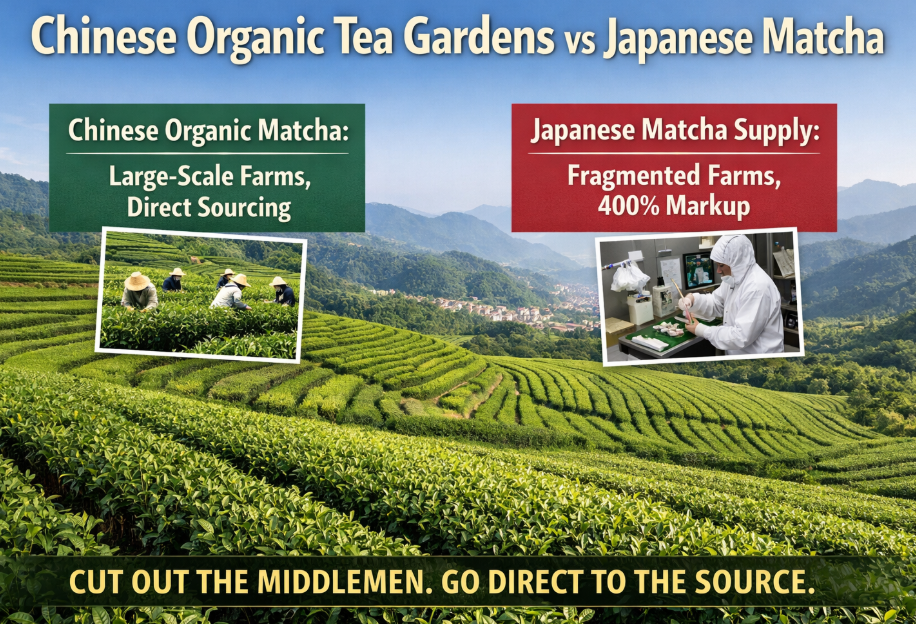
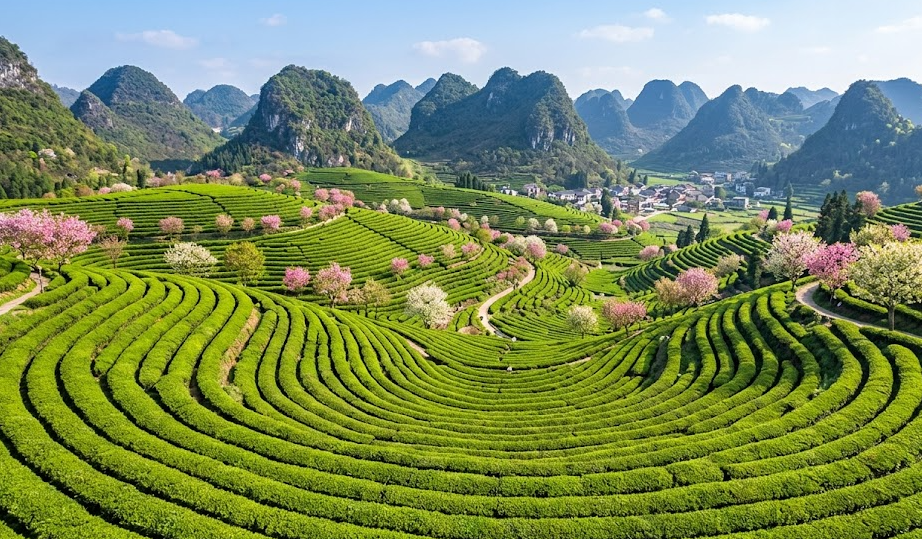
At MatchaSourcing.com, we built our supply chain with this in mind. We manage over 2,300 mu of high-altitude organic tea gardens in Guizhou and hold USDA, EU, JAS, and Rainforest Alliance certifications. This means our international buyers can assess compliance risk early, instead of scrambling for documents right before shipment.
Is Batch Consistency More Important Than a Perfect Sample?
The sample you received was perfect. But your first large order is a different color and taste, ruining your production run and upsetting customers. This is a common problem.
For a long-term business, yes. Consistency in color, flavor, and texture across all orders is essential for your brand's reputation and customer loyalty. A great sample means nothing if the supplier cannot replicate it at scale, especially for food manufacturers and retail chains.
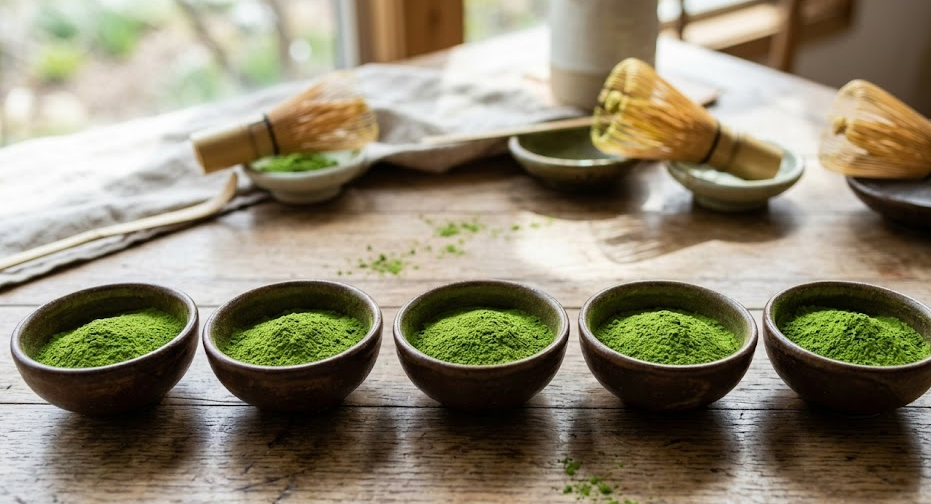
For beverage chains, food factories, and OEM clients, matcha is not a one-time sample purchase. It is a core ingredient that needs to be stable and reliable for repeat orders. If the color, aroma, bitterness, or solubility changes from one batch to the next, your final product will be inconsistent. This directly impacts the consumer experience and their decision to buy again. Organic farming is more affected by weather and harvesting periods, which makes industrialized quality control even more critical.
How to Verify Consistency
You need to look beyond a beautiful sample and ask about the supplier's production process. Ask for quantifiable data, not just vague descriptions like "high-grade." This ensures you get a product that performs the same way every time.
| Quality Control Metric | Why It Matters |
|---|---|
| Color (Lab* data) | Guarantees the visual appeal of your final product. |
| Particle Size | Affects mouthfeel, solubility, and suspension. |
| Application Specs | Clear grades for drinks vs. baking, not vague terms. |
| Continuous Production | Shows the capacity to produce and maintain standards. |
At MatchaSourcing.com, we use 11 continuous production7 lines and standardized testing to control batch stability. We define our products by color values, particle size8, and sensory standards. For clients who need a dependable supply, this industrial approach is more important than romantic stories about "handmade" processes. Our B2B customers need results that are replicable, verifiable, and sustainable.
Are You Asking for the Right Matcha Grade for Your Product?
Many new buyers ask for "ceremonial grade9" matcha for their new latte. But this grade is expensive and its delicate flavor often gets lost in milk and sugar, wasting money.
Probably not. Instead of asking for "ceremonial grade9," you should specify your application, such as for a latte, for baking, or for a ready-to-drink beverage. The best matcha is one that performs well in your specific recipe, balancing color, flavor, and cost.
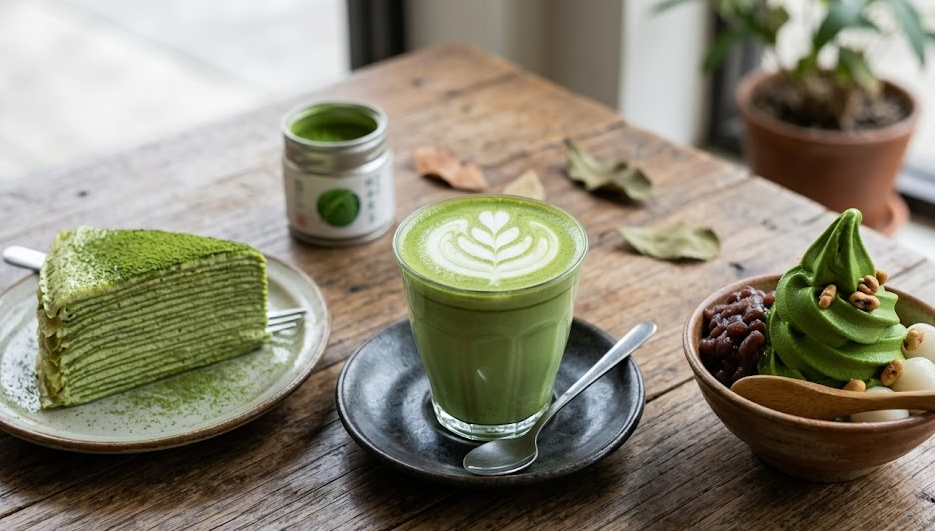
The term "ceremonial grade9" is a marketing label, not an industrial standard. For most B2B applications, focusing on this term can lead to a poor purchasing decision. What truly matters is whether the matcha is suitable for your actual use case. For example, a matcha that is perfect for drinking with water may not have a strong enough color or flavor to stand out in a milky latte. A matcha that works well in a cold drink might lose its vibrant green color when baked in a cake.
Matching Grade to Application
A smarter approach is to discuss your final product with your supplier. This allows them to recommend a grade that is optimized for your needs, providing the best performance for the best price.
| Application | Key Matcha Characteristics Needed |
|---|---|
| Café Lattes & Drinks | Strong color in milk, balanced bitterness, and a pleasant aroma. |
| RTD Beverages | Heat stability, good suspension, and compatibility with other ingredients. |
| Baking & Ice Cream | Excellent color retention after heating, and blends well with fats and sugars. |
We always advise our clients to select a grade based on their recipe, not just a name. At MatchaSourcing.com, we offer specific organic matcha solutions for beverages, baking, ice cream, and industrial formulas. We help you find the right balance between color, aroma, bitterness, and cost. This ensures you get a product that works perfectly for you.
Does Your Purchase Price Reflect the Total Landed Cost?
You received a very low FOB price10 per kilogram. Then, you were hit with unexpected shipping, customs, and port fees, completely blowing your budget. This is a common mistake in international trade.
Often, it does not. The FOB price10 is only one part of the final cost. A professional buyer calculates the total landed cost5, which includes shipping, insurance, customs, duties, and other fees. This gives a true picture of the final cost per kilogram.
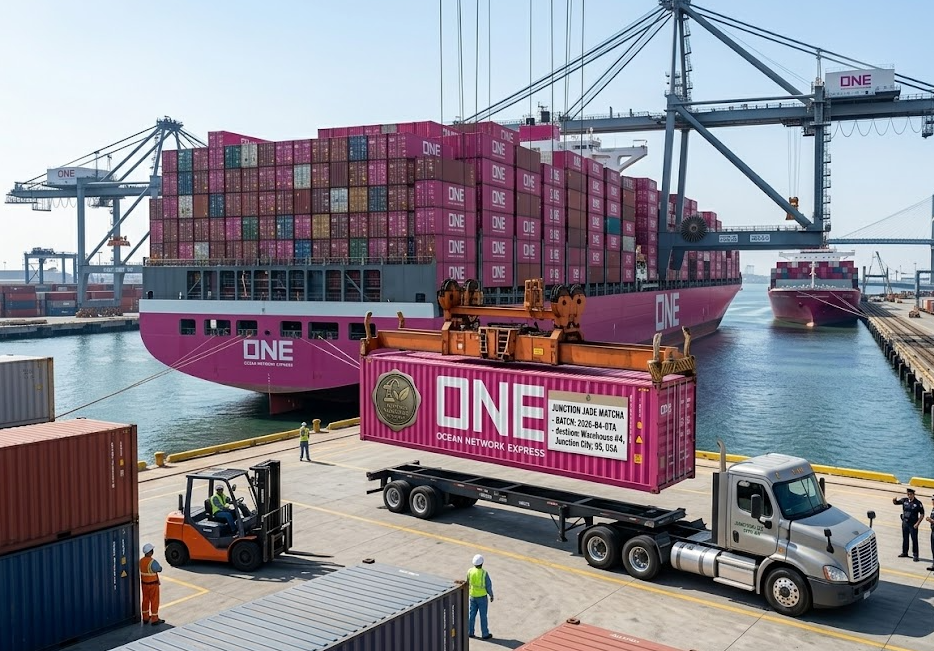
In international purchasing, one of the biggest mistakes is comparing only the FOB or EXW unit price while ignoring all the follow-up costs. For imported organic matcha, the actual cost includes many other elements. A mature B2B buyer will ask more than just "what is the price per kg?" They will dig deeper to understand the full picture of what it takes to get the product from the supplier's factory to their own warehouse.
Beyond the FOB Price: What to Ask
To get a clear and predictable cost, you need to ask your supplier a series of questions that go beyond the initial price. This helps you plan your budget and avoid surprises.
- What are the Incoterms11? (FOB, CIF, DDP?)
- What is the Minimum Order Quantity (MOQ)12?
- What is the lead time for production and shipping13?
- Do you reserve production capacity for peak seasons?
- Do you support annual framework agreements14 for stable pricing?
- Can you provide custom or bulk industrial packaging?
At MatchaSourcing.com, we provide different delivery options like FOB, CIF, and DDP based on our clients' needs. We help you clearly evaluate the total landed cost5. For businesses that need to plan their imports long-term, this transparent and predictable approach is far more valuable than a simple, low FOB quote.
Conclusion
Sourcing organic matcha is about finding a partner for compliance, development, and stable delivery. Your supply chain is a key part of your product's competitiveness and long-term success.
Discovering a trustworthy supplier ensures consistent quality and compliance, crucial for your business success. ↩
Understanding market compliance helps avoid customs issues and ensures legal importation of matcha. ↩
Consistency in matcha quality maintains brand reputation and customer satisfaction. ↩
Choosing the right matcha grade for your product ensures optimal performance and cost-effectiveness. ↩
Knowing the total landed cost helps in budgeting and avoiding unexpected expenses in international trade. ↩
Ensuring proper certifications prevents legal issues and supports smooth importation processes. ↩
Continuous production ensures stable supply and consistent quality across all matcha batches. ↩
Particle size impacts matcha's mouthfeel and solubility, affecting the overall product experience. ↩
Understanding ceremonial grade helps in selecting the right matcha for specific applications, avoiding unnecessary costs. ↩
Understanding FOB price helps in evaluating initial costs and comparing supplier offers effectively. ↩
Knowing Incoterms clarifies shipping responsibilities and costs, aiding in better trade agreements. ↩
Understanding MOQ helps in planning purchases and negotiating better terms with suppliers. ↩
Knowing lead times aids in scheduling and ensures timely delivery of matcha products. ↩
Framework agreements provide stable pricing and secure supply, beneficial for long-term planning. ↩