Are you searching for a matcha supplier in China? You are probably drowning in search results. Most of them risk your brand's reputation with low-quality, contaminated products.
To find a genuine matcha supplier in China1, you must look beyond platforms like Alibaba. Instead, ask potential partners critical questions about their farm ownership, production flexibility, and land-specific organic certifications2. This is the only way to separate traders from true single-estate manufacturers3.
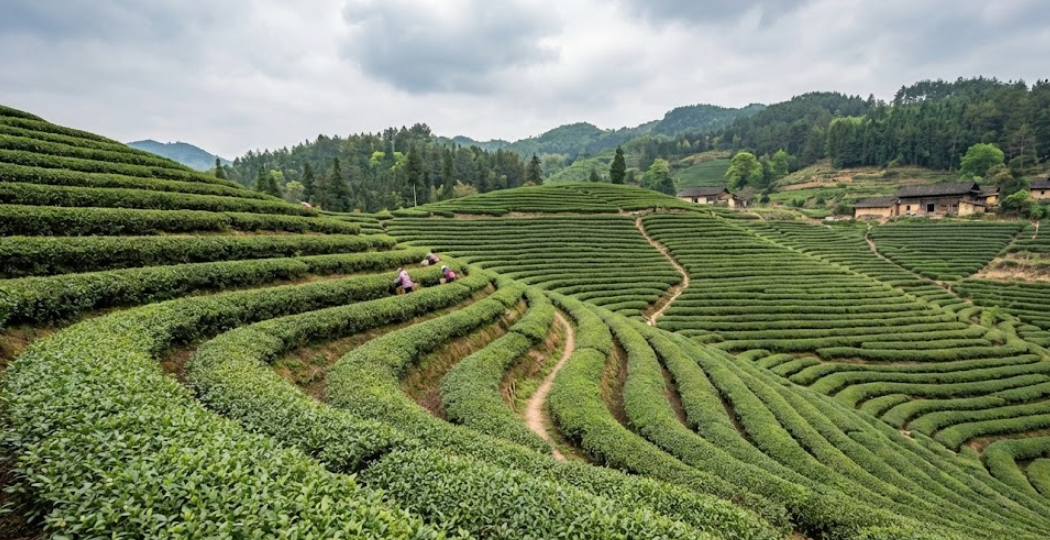
If you are a serious buyer for the North American or European market, the information I am about to share could save you millions of dollars. I have spent years in this business, with my feet planted firmly in the soil of our tea gardens. This is my guide to avoiding the pitfalls of sourcing. Let's start by looking at the most common trap that buyers fall into.
Why is Alibaba a Fatal Trap for Matcha Buyers?
Starting your search for suppliers on Alibaba seems logical and easy. But this approach is a "blind box" game. You risk getting mixed-source powders, where one bad leaf contaminates the entire batch.
Alibaba is a trap because most sellers there are not true manufacturers. They mix tea leaves from hundreds of small, unregulated farms. This creates a huge risk of pesticide contamination4, which can lead to your entire shipment being destroyed at customs and costing your brand millions.
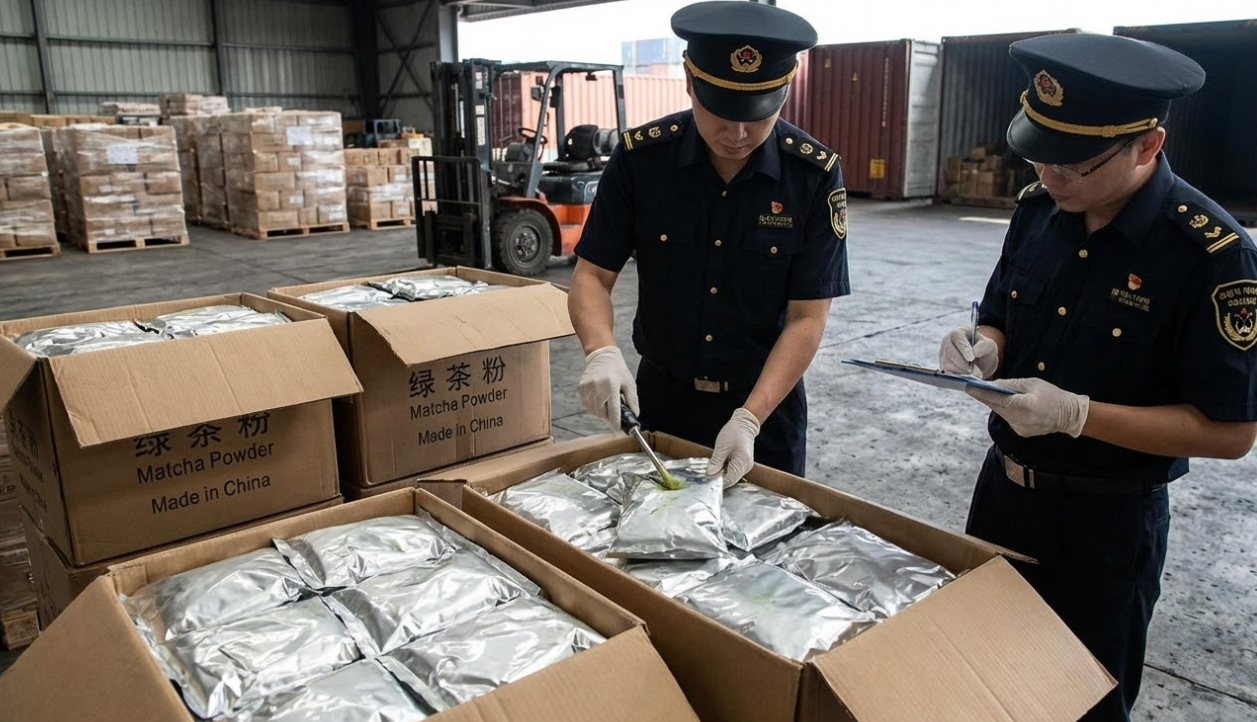
Most international buyers make their first stop on Alibaba. Here is the problem with that: matcha is a highly specialized industry that requires heavy investment in assets like land and machinery. The vast majority of sellers on the platform do not own their own tea gardens. They operate on what I call a "blind box model5." They collect raw tea leaves from hundreds of individual small-scale farmers, mix them all together, and then grind them into powder.
The fatal weakness is clear. If just one of those 500 farmers secretly sprays a banned pesticide to control insects, the entire 10-ton batch of matcha powder becomes contaminated. When your container arrives at the FDA in the United States or at a European port, you face immediate rejection and destruction of your goods. Even worse, it could trigger a massive brand recall disaster that costs you millions of dollars and destroys customer trust. A true source factory eliminates this risk.
| Feature | Typical Alibaba Trader | True Source Factory (like us) |
|---|---|---|
| Tea Source | Hundreds of unknown small farms | Our own 2,300-acre single-estate |
| Quality Control | Inconsistent or non-existent | Full control from soil to shipment |
| Contamination Risk | Extremely High | Extremely Low |
| Customization | Limited to pre-set grades | Full control over production parameters |
What Three Questions Unmask a Fake Matcha Supplier?
Every supplier you meet will have a beautiful English presentation and a polished sales pitch. But their slides will not tell you if they are a real source factory or just a clever trader.
To unmask a fake supplier, ask these three questions: 1) "Do you own a single-estate farm?" 2) "Can you fine-tune production parameters6 like steaming time for my product?" 3) "Can I see original organic certificates tied to your farm's specific address?"

When you are screening suppliers, ignore their fancy PowerPoints. Put these three brutally direct questions on the table and watch how they react. Their answers will tell you everything you need to know about their operation.
1. "Do you have a 'Single-Estate'?"
If they hesitate or say, "we source from our local partner cooperatives," you should walk away immediately. A cooperative is just a collection of small farms with no centralized control. You need a partner who is a true landowner. You need someone with a large, geographically isolated piece of land who has absolute control over every inch of soil and every drop of water. This is the only way to guarantee purity and consistency.
2. "Can you fine-tune steam-fixation seconds and grinding temperature?"
If they just hand you a catalog with "Grade A, Grade B, Grade C" for you to choose from, they are just a rigid factory, not a partner. A real top-tier manufacturer should be able to act as your private R&D lab. We can adjust the underlying machine parameters, like the exact number of seconds for steaming or the temperature increase during milling. This allows us to lock in a unique Lab* color value exclusively for your brand's product.
3. "Show me the original EU and USDA organic certificates7 tied to 'your land'."
Do not accept a generic PDF screenshot. This is critical. The address printed on the organic certification documents must match the specific coordinates of their tea garden perfectly. This is the only hard proof that their soil does not have a history of pesticide residue. It proves their organic claim is tied to the land they actually control, not just a certificate they borrowed.
Is There a Shortcut to Finding the Real Source?
You could spend the next six months going to trade shows and requesting hundreds of samples. You could play a game of Russian roulette with middlemen on Alibaba. This is a slow and expensive process.
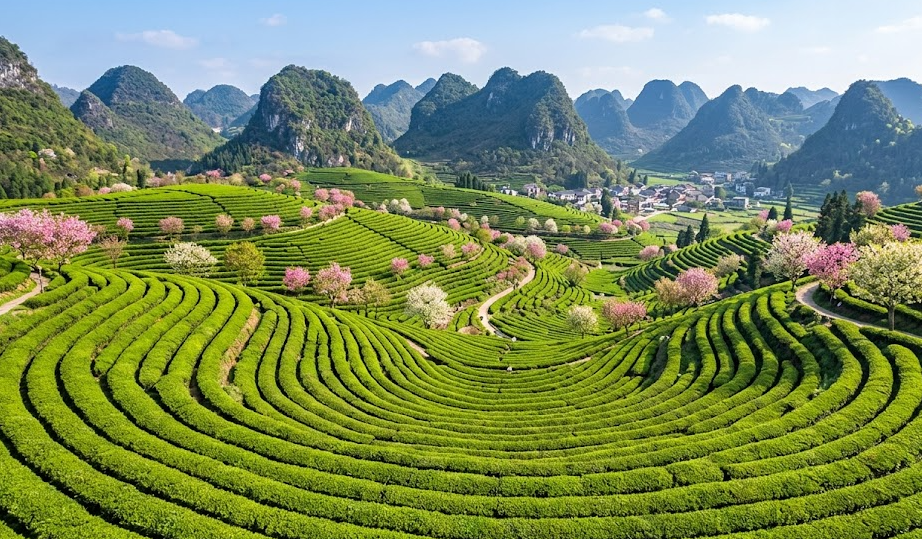
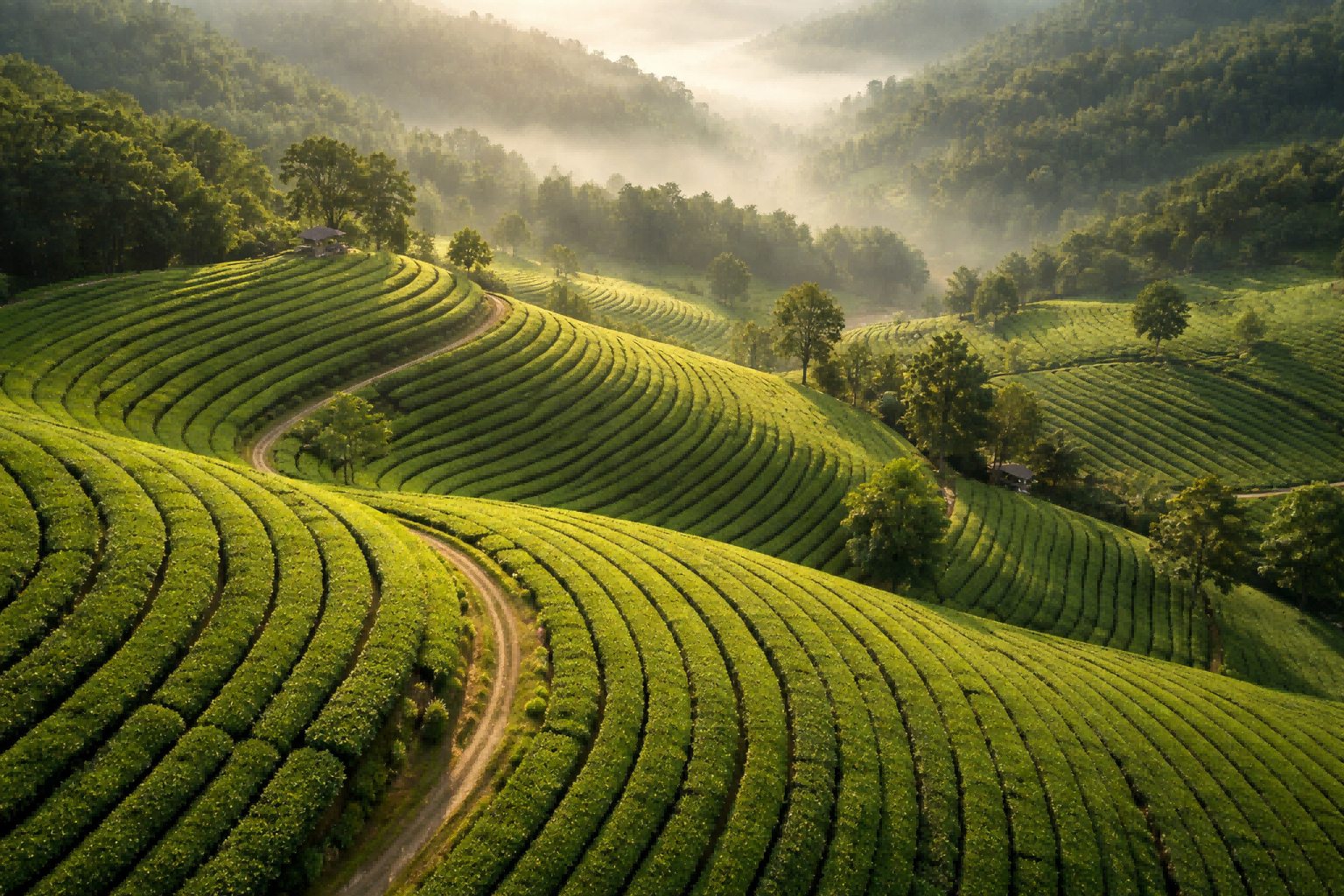
Yes, the ultimate shortcut is to stop searching and go directly to a heavy-asset, vertically integrated source8. You are already at the negotiating table with one. We built our 2,300-acre base in Guizhou to be that fortress for global brands, giving you complete supply chain control.
I get why some of my peers in the industry don't understand it. I invested everything I have into our 2,300-acre high-altitude base in Anshun, Guizhou. I did this to build a fortress for serious international brands. When you sit at my negotiating table, I am not just offering you a batch of matcha. I am offering you a partnership built on a foundation of real assets and total control.
Here is what that means for your business:
- Your "Get Out of Jail Free" Card at Customs: Our 2,300-acre base is physically isolated from other farms. We invested the money to do things the hard way, with manual weeding and zero chemical agents9. The matcha I deliver to you comes with the paperwork to pass the incredibly strict tests from the EU and USDA. You can finally say goodbye to the nightmare of pesticide drift.
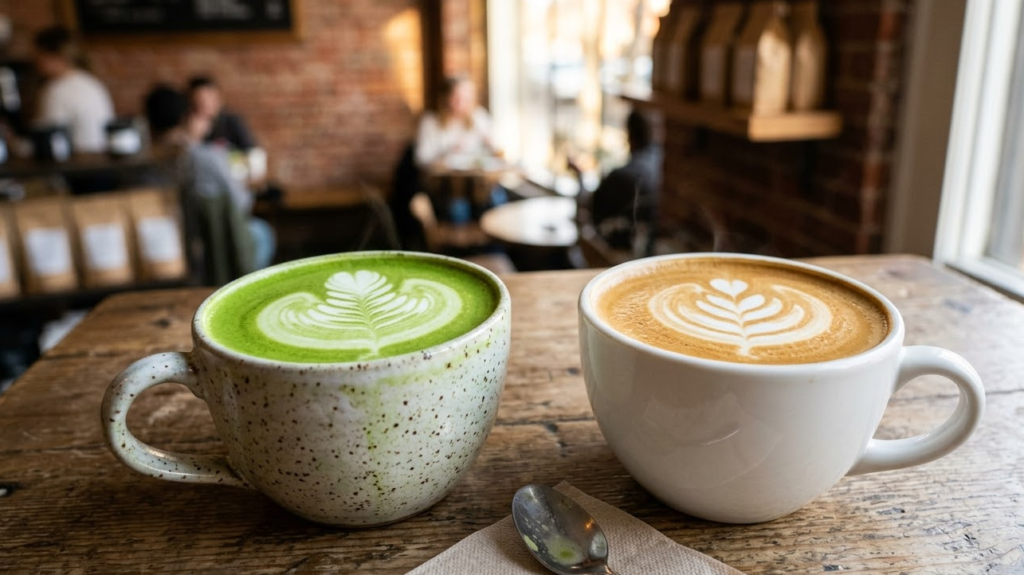
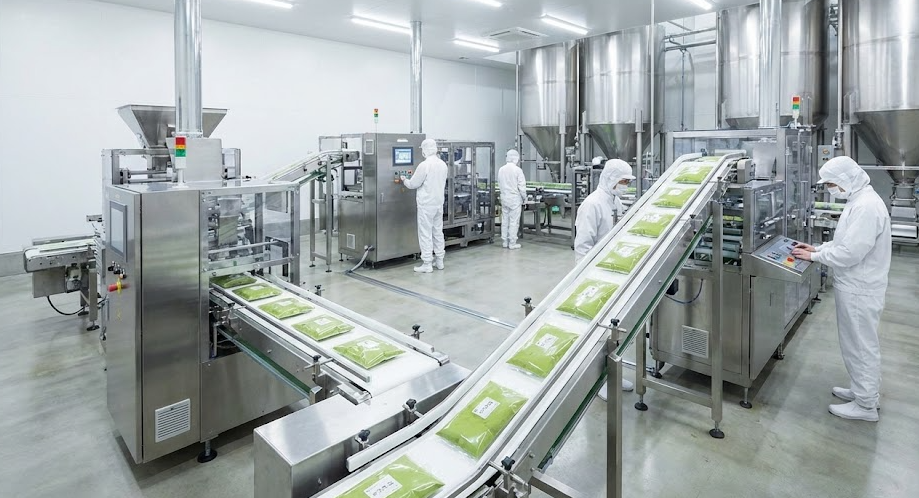
- Your Private R&D Lab: Inside our Class 100,000 cleanroom10, we operate a full Japanese steam-fixation production line11. If your coffee chain needs a matcha for an oat milk latte that never turns yellow, I will personally watch the production line and adjust the parameters to perfect the color value and theanine ratio for you.
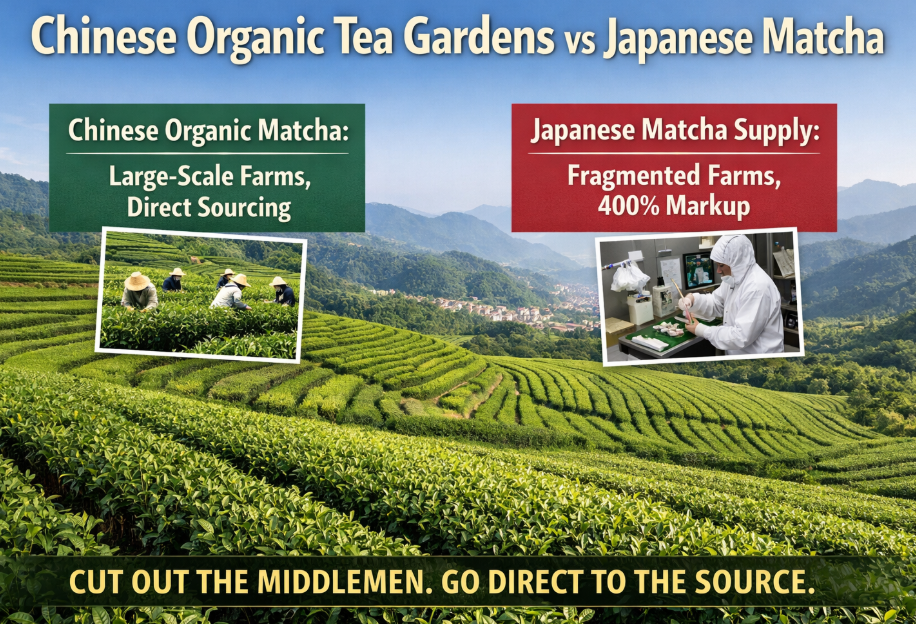
- Tear Up the "Japanese Brand" Price Premium: I can give you the exact same deep "umami" flavor and fine particle size as a century-old Kyoto tea house. But I give it to you at the source price, without the 40% "origin brand tax12." The millions you save on procurement become your net profit for expansion.
- A Flexible Partner Who Fights With You: Whether you need just 100 kilograms next month to test a new product line, or 50 tons next year for a full European rollout, my mountains and my factory can handle it seamlessly.
Conclusion
Finding a supplier who sells matcha powder is easy. But finding an ally who holds heavy-asset trump cards and fights alongside you like a co-founder is the real competitive advantage.
Discovering a trustworthy matcha supplier in China ensures high-quality products and protects your brand's reputation from low-quality, contaminated goods. ↩
Organic certifications ensure that the matcha is free from harmful chemicals, providing assurance of quality and safety for consumers. ↩
Understanding single-estate manufacturers helps you identify genuine suppliers who offer consistent quality and control over their production. ↩
Learn about the risks of pesticide contamination in matcha and how it can lead to shipment rejections and brand reputation damage. ↩
The blind box model can lead to inconsistent quality and contamination risks, making it crucial to understand when sourcing matcha. ↩
Fine-tuning production parameters ensures that matcha meets specific quality standards, offering a competitive edge in the market. ↩
These certificates guarantee that the matcha meets strict organic standards, ensuring safety and quality for international markets. ↩
A vertically integrated source offers complete control over the supply chain, ensuring consistent quality and reducing risks. ↩
This approach ensures that matcha is free from chemical residues, offering a purer and safer product for consumers. ↩
A cleanroom ensures a controlled environment for matcha production, maintaining high hygiene standards and product quality. ↩
This production line enhances matcha's flavor and color, providing a superior product that meets high consumer expectations. ↩
Understanding the origin brand tax helps in cost-saving strategies, allowing brands to offer competitive pricing without compromising quality. ↩