Confused about how matcha is made? The romantic story of stone mills isn't the whole picture. True commercial matcha relies on a precise, four-step industrial system you need to know.
High-quality matcha isn't just ground green tea. It's made through a four-step process: shading tea plants1 to boost flavor and color, steam-fixing the leaves to lock in freshness, processing them into tencha by removing stems and veins, and finally, micro-milling2 into a fine powder.
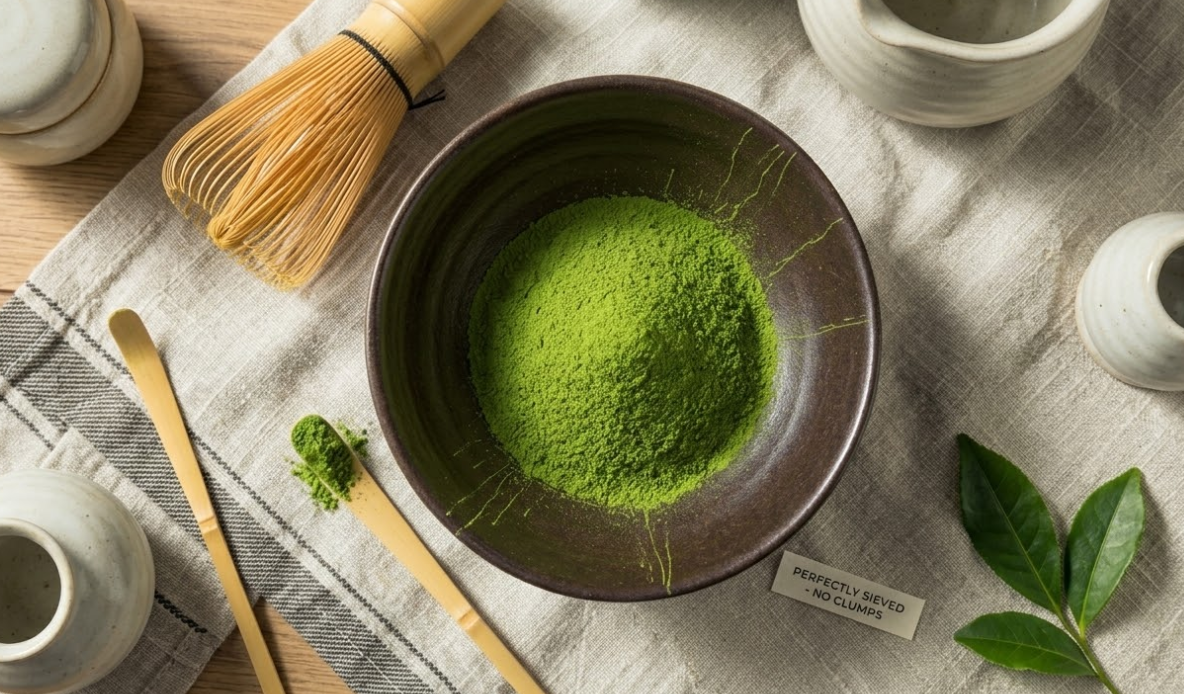
When I talk with global food and beverage brands, they often ask this simple question. Many expect a story about ancient crafts and tea ceremonies. But when you look at it from the perspective of bulk purchasing3 and industrial delivery, matcha manufacturing is a highly standardized system of agriculture, processing, and quality control4. If you want to understand matcha that is truly suitable for commercial applications, the four steps below are the core of the process.
Why does shading happen before harvesting?
Wondering why matcha has such a vibrant green color5 and smooth taste? It's not an accident. The process starts weeks before harvest with a crucial step called shading.
Shading tea plants 20–30 days before harvest reduces direct sunlight. This forces the leaves to produce more chlorophyll6, making them greener. It also increases amino acids like L-theanine7, which enhances the umami flavor and reduces bitterness, creating a smoother taste profile.
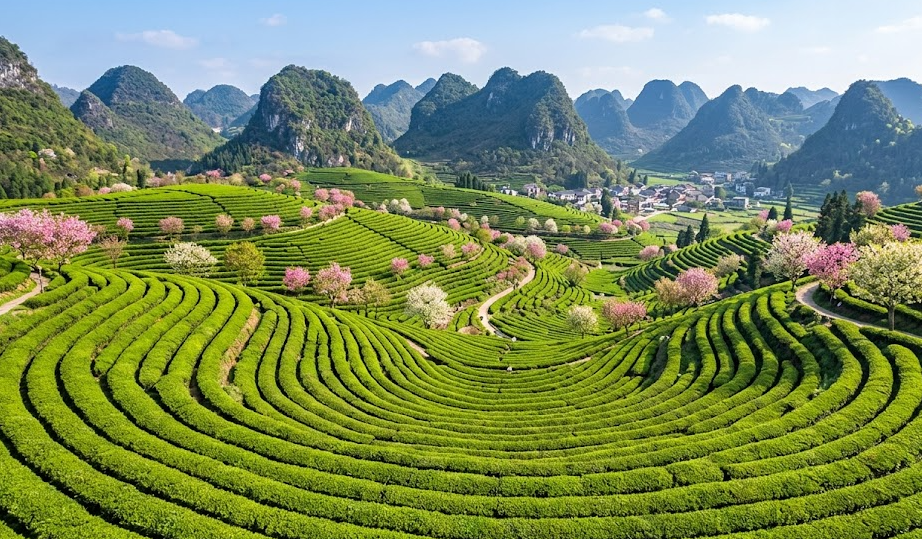
I remember my first visit to our tea gardens in Guizhou during the shading season. The vast fields covered in black nets were a striking sight. This isn't just for show; it's a precise agricultural intervention8. By limiting sunlight, we fundamentally alter the tea leaf's chemistry long before it's picked. This step is non-negotiable for creating the foundational qualities of good matcha. The brilliant color and deep umami flavor are not created during grinding; they are born in the shade. It’s the difference between a basic ingredient and a premium one. For our partners, this means a product with a more appealing color and a less bitter, more complex flavor profile.
Key Changes from Shading
| Feature | Shaded Tea (for Matcha) | Unshaded Tea (Standard Green Tea) |
|---|---|---|
| Color | Vibrant, deep green | Lighter, yellowish-green |
| Flavor | Rich umami, sweet | More astringent, bitter |
| L-theanine7 | High | Lower |
| Chlorophyll | High | Lower |
How is the fresh green color locked in?
Freshly picked tea leaves oxidize quickly, losing their vibrant color and flavor. This can ruin the final product. To prevent this, we use rapid steam fixation9 to instantly lock in freshness.
The fresh green color is locked in using steam fixation9. Immediately after harvesting, the tea leaves are treated with steam. This process rapidly halts enzyme activity10, preventing the oxidation that would otherwise turn the leaves brown and alter their flavor, preserving their natural vibrancy.
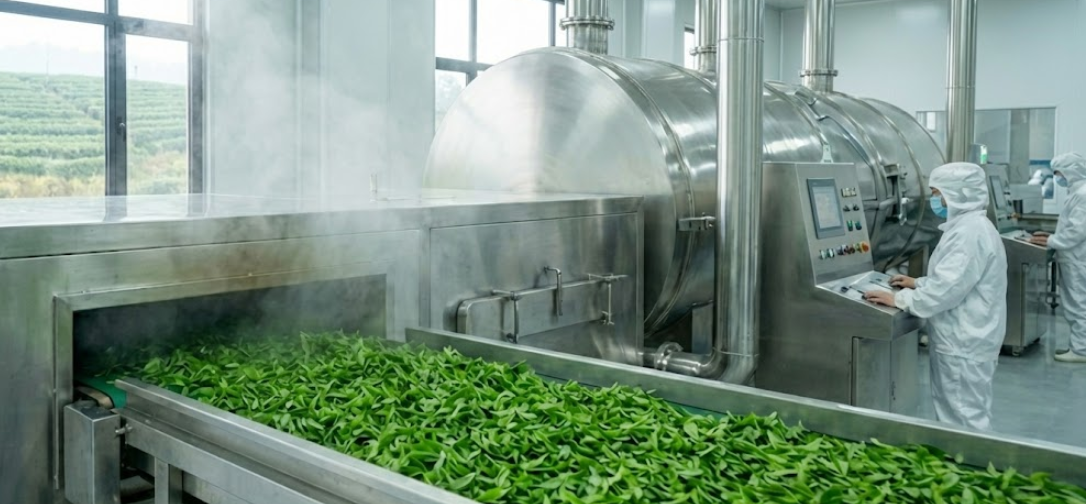
Once the leaves are harvested, the clock starts ticking. Enzymes inside the leaves want to start oxidizing, just like a cut apple turns brown. In many Chinese green teas, this process is stopped by "pan-firing" in a hot wok. But for matcha, we use steam. Why? Steam is faster, more uniform, and does a better job of preserving the delicate compounds we worked so hard to cultivate during shading. It’s a crucial quality control4 point. For our B2B partners, this step ensures batch-to-batch consistency in color and taste. An incomplete fixation can lead to a dull, yellowish powder, which is unacceptable for a matcha latte or premium dessert11. This step is why true matcha powder has a fundamentally different profile from powders made from pan-fired green tea.
Purpose of Steam Fixation
- Halt Oxidation: Immediately deactivates the enzymes that cause browning and flavor loss.
- Preserve Color: Keeps the high chlorophyll6 content from degrading, ensuring a bright green powder.
- Lock in Flavor: Retains the fresh, grassy, and umami notes developed during the shading phase.
What is Tencha12 and why is it necessary for matcha?
You can't just grind any dried green tea leaf into high-quality matcha. Grinding stems and veins creates a bitter, gritty powder. The leaves must first be processed into "Tencha12."
Tencha12 is the specific raw material used to make matcha. After steaming and drying, the tea leaves are de-stemmed and de-veined, leaving only the pure, soft leaf flesh. This step is essential because stems and veins add bitterness and a gritty texture, detracting from matcha's signature smoothness.
After the leaves are steamed and dried, they are not yet ready for grinding. They enter a multi-stage process of air sorting, cutting, and sifting. I've spent hours in our facility watching this happen. It's a noisy, complex dance of machinery designed for one purpose: separation. The goal is to isolate the softest, richest part of the leaf. This refined material is called Tencha12. This is perhaps the biggest differentiator between authentic matcha and simple "green tea powder." Green tea powder is often made by pulverizing the entire leaf, impurities and all. But true matcha can only come from Tencha12. For a food manufacturer, this distinction is critical for final product quality. It ensures a smooth mouthfeel13 and clean flavor in your beverages or food products.
Tencha12 Processing: What's Removed vs. What's Kept
| Component | Action | Impact on Final Matcha |
|---|---|---|
| Leaf Flesh | Kept | Provides vibrant color, umami, and smooth texture. |
| Stems (Kuki) | Removed | Reduces bitterness and improves powder fineness. |
| Veins (Yomaku) | Removed | Eliminates gritty texture and improves mouthfeel. |
How is Tencha12 ground into fine matcha powder?
The final grinding step is crucial. But traditional stone mills can't provide the consistency needed for commercial scale14. Inconsistent powder leads to clumping, poor color, and bad texture.
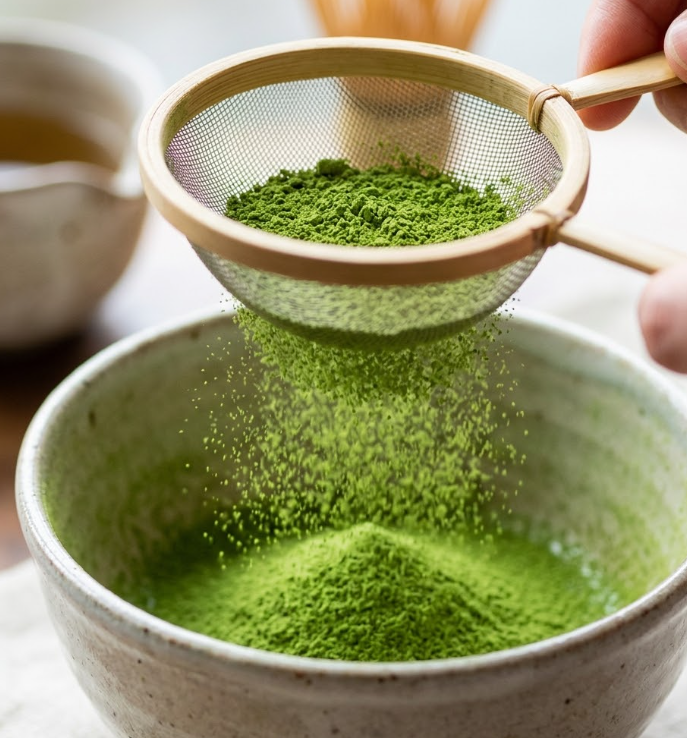
For commercial production, Tencha12 is ground into a fine powder using advanced micro-milling2 machines. While stone mills are traditional, modern equipment offers precise control over particle size15, ensuring uniformity. This results in an ultra-fine powder that disperses easily and provides a smooth mouthfeel13.
This is the final transformation from leaf to powder. While the image of a slow-turning stone mill is beautiful, for B2B clients who need 500 kilos of matcha with the exact same specs every month, industrial precision is what matters. Our milling facilities use advanced equipment that allows us to control the particle size15 with incredible accuracy. A beverage client making lattes needs a very fine powder that suspends well in milk. A bakery client might need a slightly different grade that holds its color under heat. It’s not just about making it "fine"; it’s about engineering the powder for its end use. This level of control is what separates a reliable ingredient supplier from a simple producer. It ensures your product is consistent every single time.
Particle Size and Its Application
| Particle Size (Microns) | Best For... | Why? |
|---|---|---|
| Ultra-Fine (<10 microns) | Lattes, Drinks, Ceremonial Use | Disperses easily, smooth mouthfeel13, little sedimentation. |
| Fine (10-15 microns) | Ice Cream, Chocolate, RTDs | Good balance of color, flavor, and texture integration. |
| Standard (>15 microns) | Baking, Culinary Blends | Cost-effective, strong color and flavor that withstands heat. |
Conclusion
Matcha making is a four-step system from farm to powder. For businesses, the true value lies not in the story, but in the consistent, high-quality ingredient this system produces.
Shading tea plants enhances the flavor and color of matcha, making it a crucial step for producing high-quality matcha powder. ↩
Micro-milling ensures matcha powder is ultra-fine and consistent, crucial for commercial applications like lattes and desserts. ↩
Understanding bulk purchasing helps businesses ensure consistent quality and supply of matcha for commercial applications. ↩
Quality control ensures matcha's consistency in color and taste, vital for meeting commercial standards and customer expectations. ↩
The vibrant green color of matcha is achieved through shading and steam fixation, enhancing its visual appeal and quality. ↩
High chlorophyll content from shading gives matcha its vibrant green color and enhances its umami flavor, making it more appealing. ↩
L-theanine contributes to matcha's smooth taste and rich umami flavor, reducing bitterness and enhancing the overall experience. ↩
Agricultural interventions like shading are crucial for altering tea leaf chemistry, enhancing matcha's color and flavor. ↩
Steam fixation locks in the fresh green color and flavor of matcha, preventing oxidation and ensuring a vibrant, high-quality product. ↩
Controlling enzyme activity through steam fixation prevents oxidation, preserving matcha's vibrant color and fresh flavor. ↩
Matcha's vibrant color and smooth flavor profile make it a perfect ingredient for creating visually appealing and delicious desserts. ↩
Tencha is the refined leaf material used for matcha, ensuring a smooth texture and rich flavor by removing stems and veins. ↩
A smooth mouthfeel is achieved by removing stems and veins during Tencha processing, ensuring a premium matcha experience. ↩
Commercial scale production ensures matcha meets the demands of businesses, providing consistent quality and supply. ↩
Different particle sizes are engineered for specific uses, ensuring matcha's consistency and quality in various products. ↩