Struggling to find the best matcha brand? The answer isn't a simple list. It depends entirely on who you are and what you need. Let's clarify this.
The "best" matcha brand depends on your needs. For personal, ceremonial use, historic Japanese brands like Ippodo are top-tier. For commercial supply chains, the "best" brand is a supplier offering consistent quality, safety certifications, and massive scale, which often points to integrated producers in China.
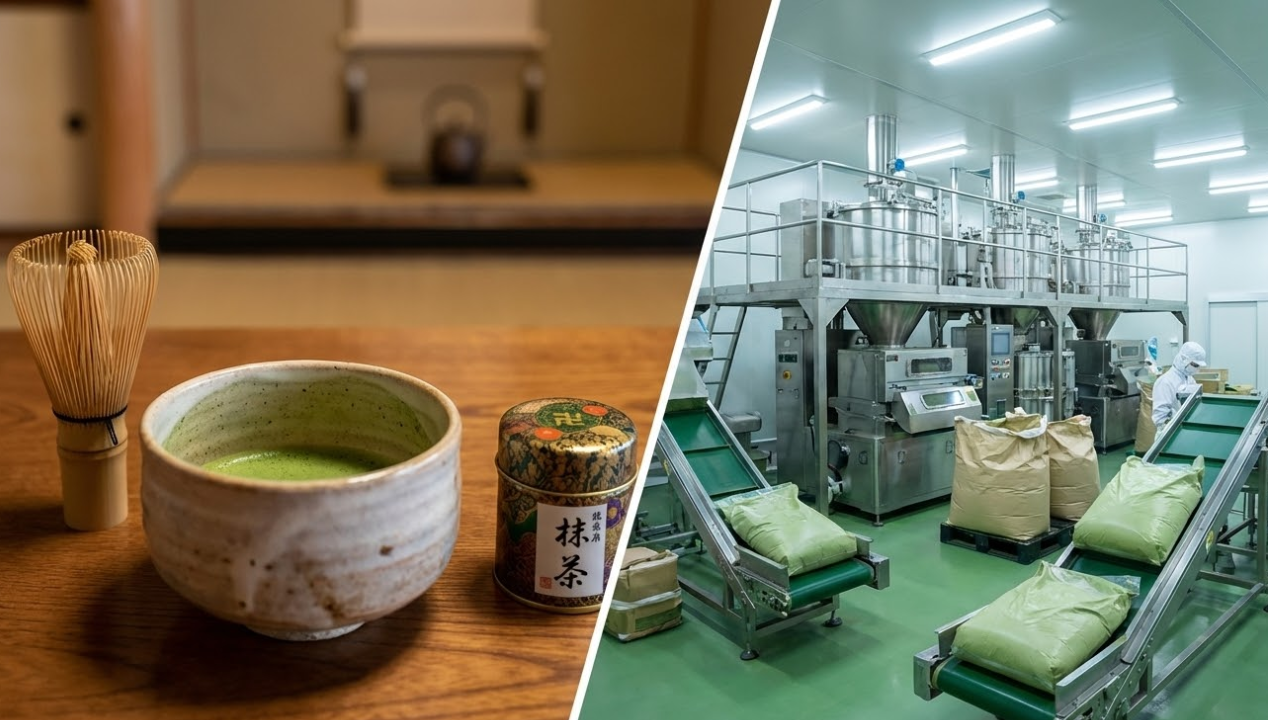
Every time a sourcing director from overseas asks me this question, I ask them one back: "Are you asking about the 'best' on a retail shelf, or the 'best' in a B2B supply chain1?" These are two completely different worlds. I'm not going to give you a list of trendy recommendations. Today, I'll show you the real players at the top of the industry pyramid.
For Home Enthusiasts, Who Makes the Best Ceremonial Matcha?
Are you a matcha connoisseur seeking the ultimate ceremonial experience? You crave that perfect, traditional flavor but don't know which brand to trust. The answer lies in Japan's history.
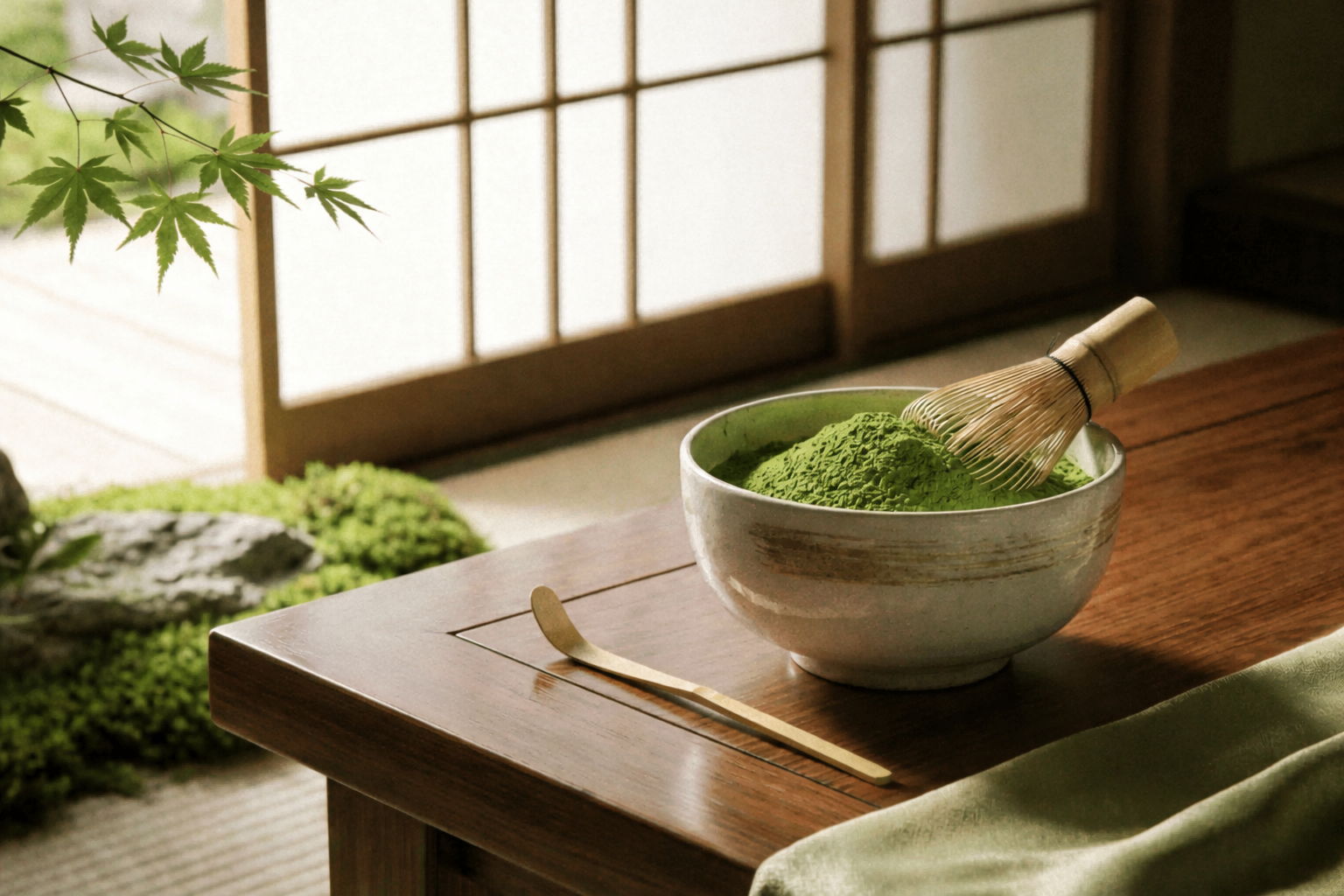
For the ultimate home experience, the best brands are Japanese heritage houses2 like Ippodo Tea and Marukyu Koyamaen3 from Uji, Kyoto4. They represent the gold standard of traditional tea ceremony flavor, offering unparalleled umami and sweetness in their highest-grade products.
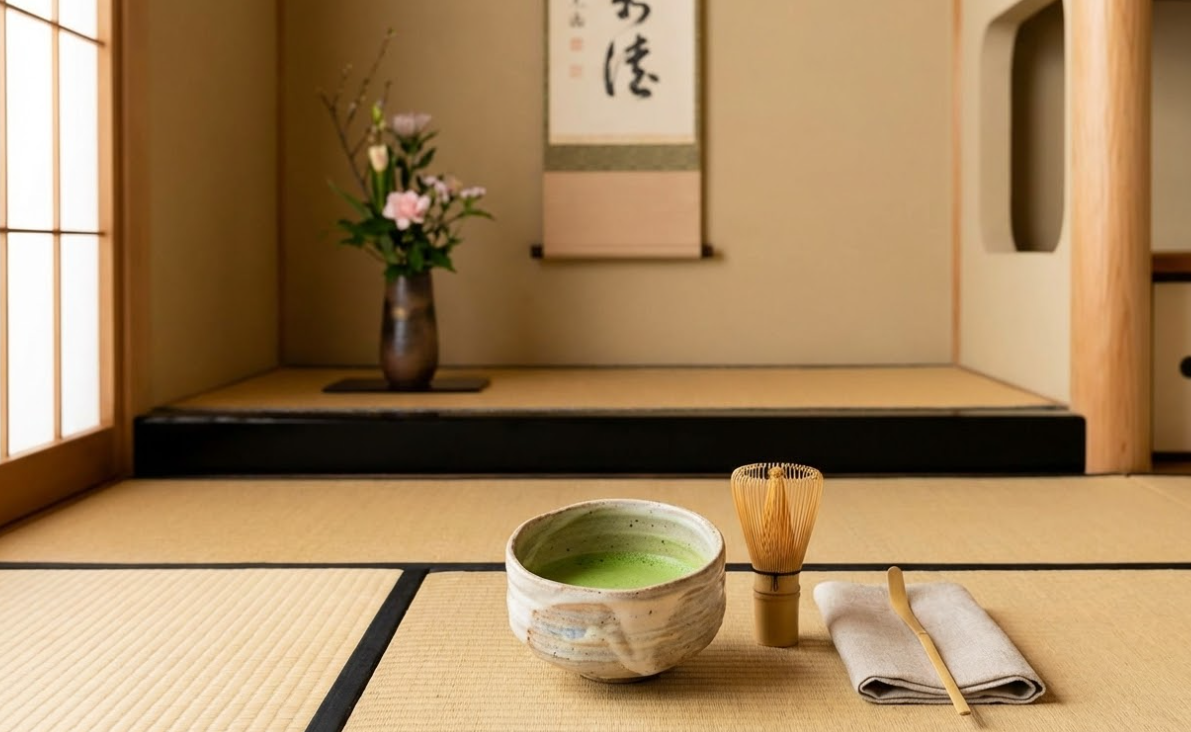
If you are a home enthusiast who wants the absolute peak of ritual and history, then the "best" brands are without a doubt the century-old shops in Japan.
The Crown of B2C: Japan's "Cultural Premium"
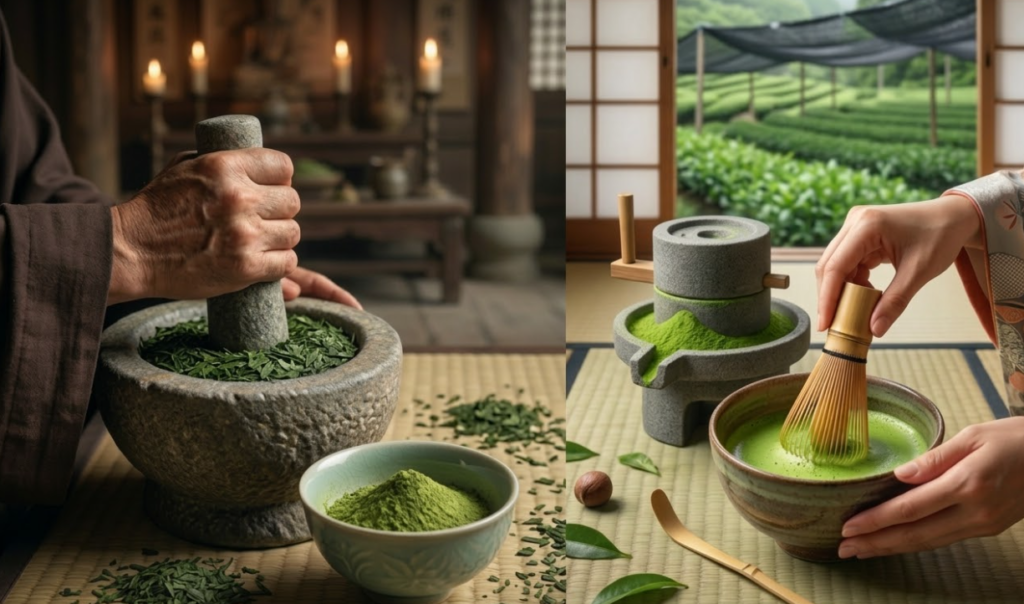
Ippodo Tea5 and Marukyu Koyamaen are two monuments in Uji, Kyoto that you cannot ignore. They represent the most authentic flavor of the Japanese tea ceremony. If you buy a small tin of their top-grade "Tenju" or "Unmon no mukashi" for a few hundred dollars, you are truly tasting the most sublime, theanine-rich sweetness6 that humans can produce. These are the brands that set the standard for personal enjoyment and cultural appreciation. They are the pinnacle of a long and respected tradition, and their quality is undeniable for that specific purpose.
The Limits of an "Art Piece"
But these brands sell "art pieces." Their production is extremely low, and their prices are extremely high. They can serve a few thousand discerning tea drinkers, but they could never support the annual consumption of a multinational coffee chain with 500 stores. The business model is simply not built for scale.
| Feature | B2C Heritage Brands (e.g., Ippodo) | B2B Industrial Suppliers |
|---|---|---|
| Target Customer | Individual connoisseurs, tea masters | Global food & beverage brands |
| Volume | Very low (grams/tins) | Very high (tons) |
| Focus | History, ceremony, peak flavor | Consistency, safety, cost |
| Scalability | Not scalable for commercial use | Designed for global scale |
For Global Brands, Who is the Best Matcha Supplier?
Your business needs tons of matcha annually. You're worried about inconsistent flavor and failing strict pesticide tests. You need a supplier who guarantees quality and compliance at scale.
For large-scale business needs, the "best" matcha supplier isn't a retail brand. It's an "invisible champion" who can guarantee absolute consistency in color and flavor across 50-ton orders, year after year, while passing the strictest international pesticide inspections7 100% of the time.
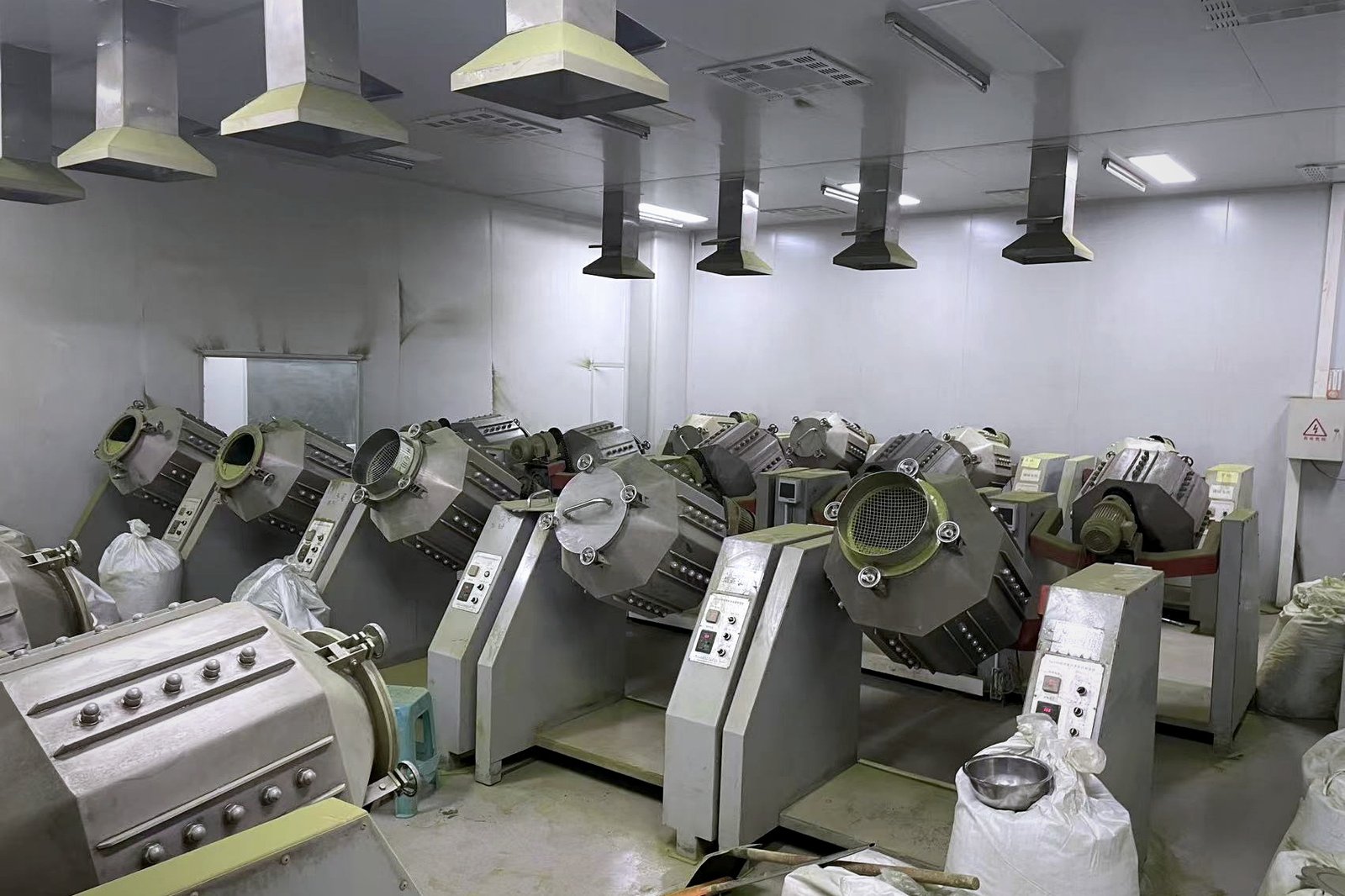
When you shift your perspective from a small tin to 50 tons, the rules of the game change completely. For big players, "best" has a different definition.
The Brutal Standards of B2B
Think about Starbucks, Peet's Coffee, or those billion-dollar functional beverage brands in North America. The standards for their "best" matcha are incredibly demanding. The matcha must not only have a vibrant green color and a rich umami flavor, but it must also maintain that exact same flavor profile consistently for five years, across 50 tons annually. More importantly, it must have a 100% pass rate on the most difficult random pesticide checks in Europe and the United States. This level of consistency and safety is non-negotiable for any global brand that values its reputation and its customers.
Why Japan's Model Can't Keep Up
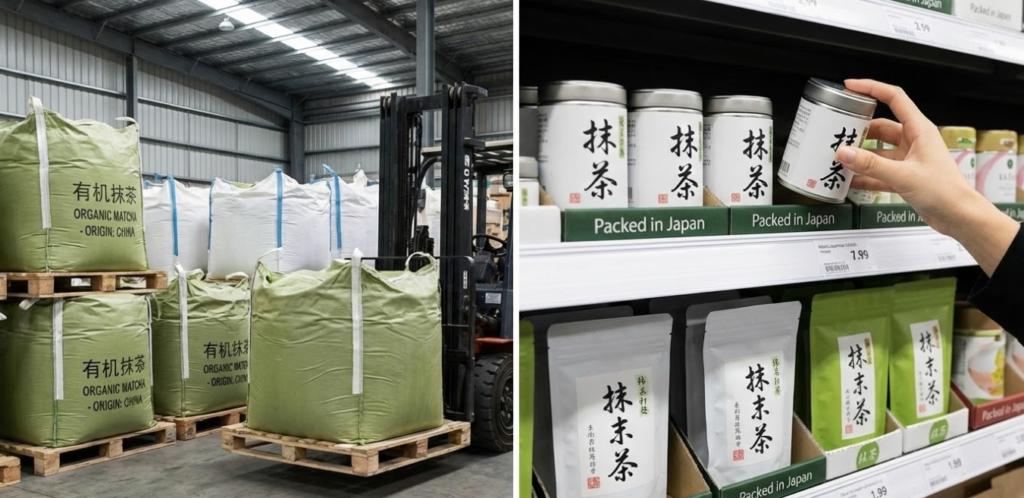
Japan's agricultural landscape, with its small, fragmented farms and aging farmers, cannot provide this level of industrial-grade "certainty." The capacity pieced together from many different sources is not stable enough for global supply chains. As a result, a large amount of bulk matcha material labeled as a "Japanese brand" has quietly shifted its production lines to China. This is the only way to achieve the scale, consistency, and compliance required. This is also why the biggest clients eventually end up at my negotiating table, looking for a real solution.
How Can We Provide the "Best" Matcha for Your Business?
You realize that a great brand depends on solid infrastructure. You're looking for a partner who can deliver food safety, custom R&D, and a cost advantage.
We provide the "best" B2B matcha by controlling the entire supply chain. From our single-origin organic farm8 in Guizhou, we deliver absolute food safety, custom R&D9 in our own facility, a cost advantage over Japanese imports, and a flexible supply to match your growth.
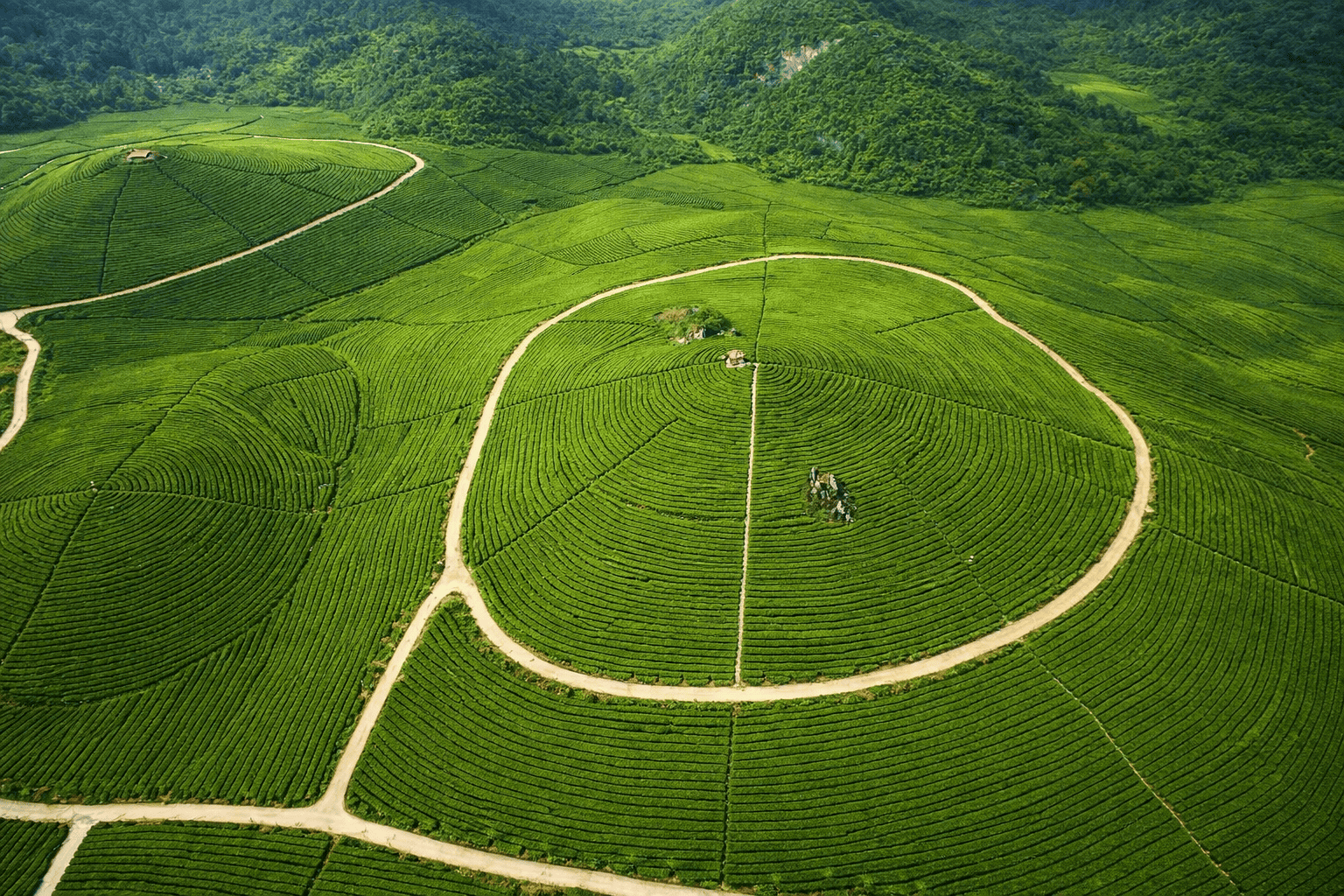
When you understand that a "good brand" is backed by hardcore, heavy-asset infrastructure, you'll see why we have emerged as a leader in this industry. I don't sell 30-gram tins to compete with Ippodo for retail customers. I specialize in being the private, reliable backyard for high-end North American and European brands. In the deep waters of B2B, I hold four cards that my clients consider the true definition of "best."
My Four Aces for Your Brand
-
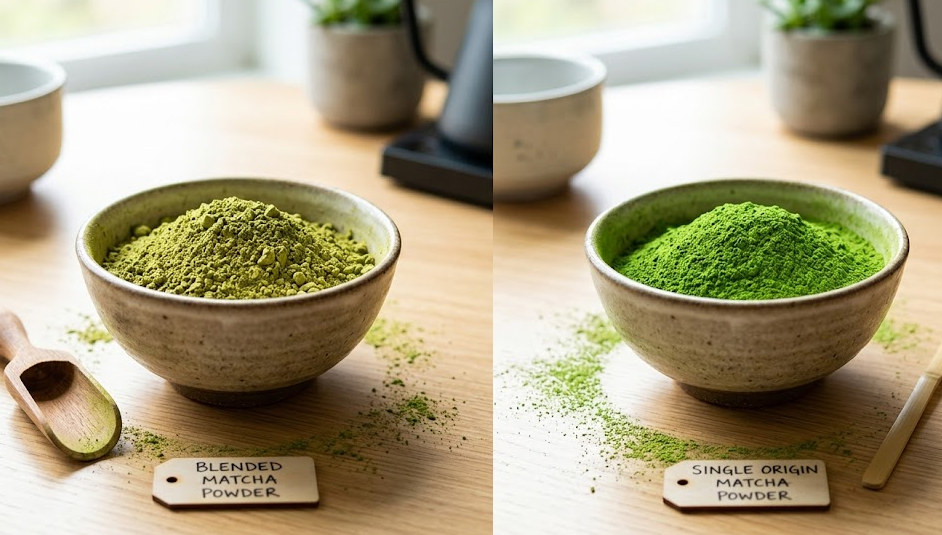
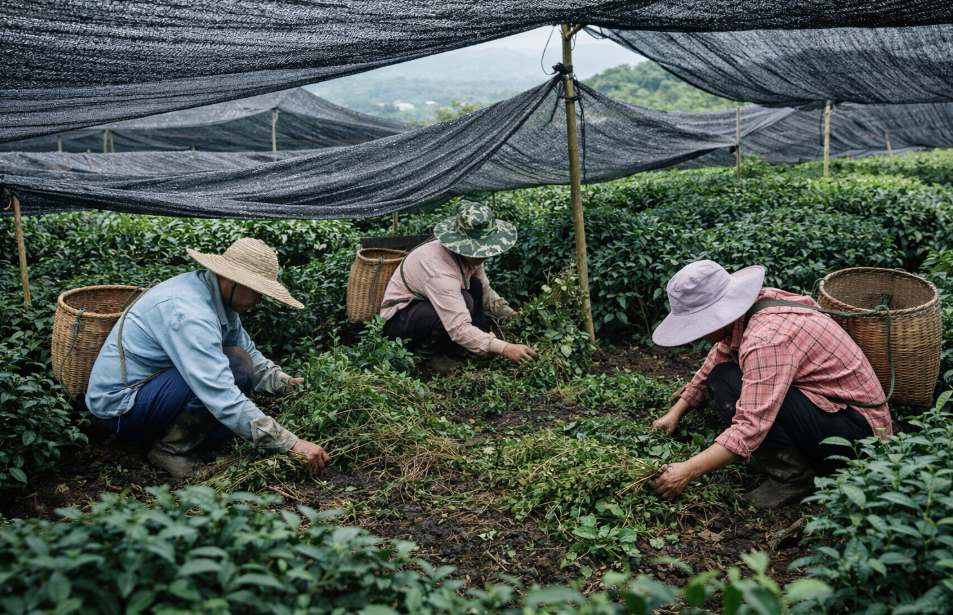
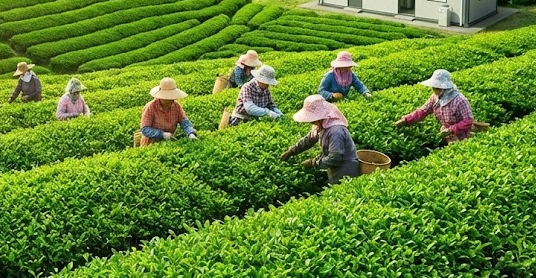
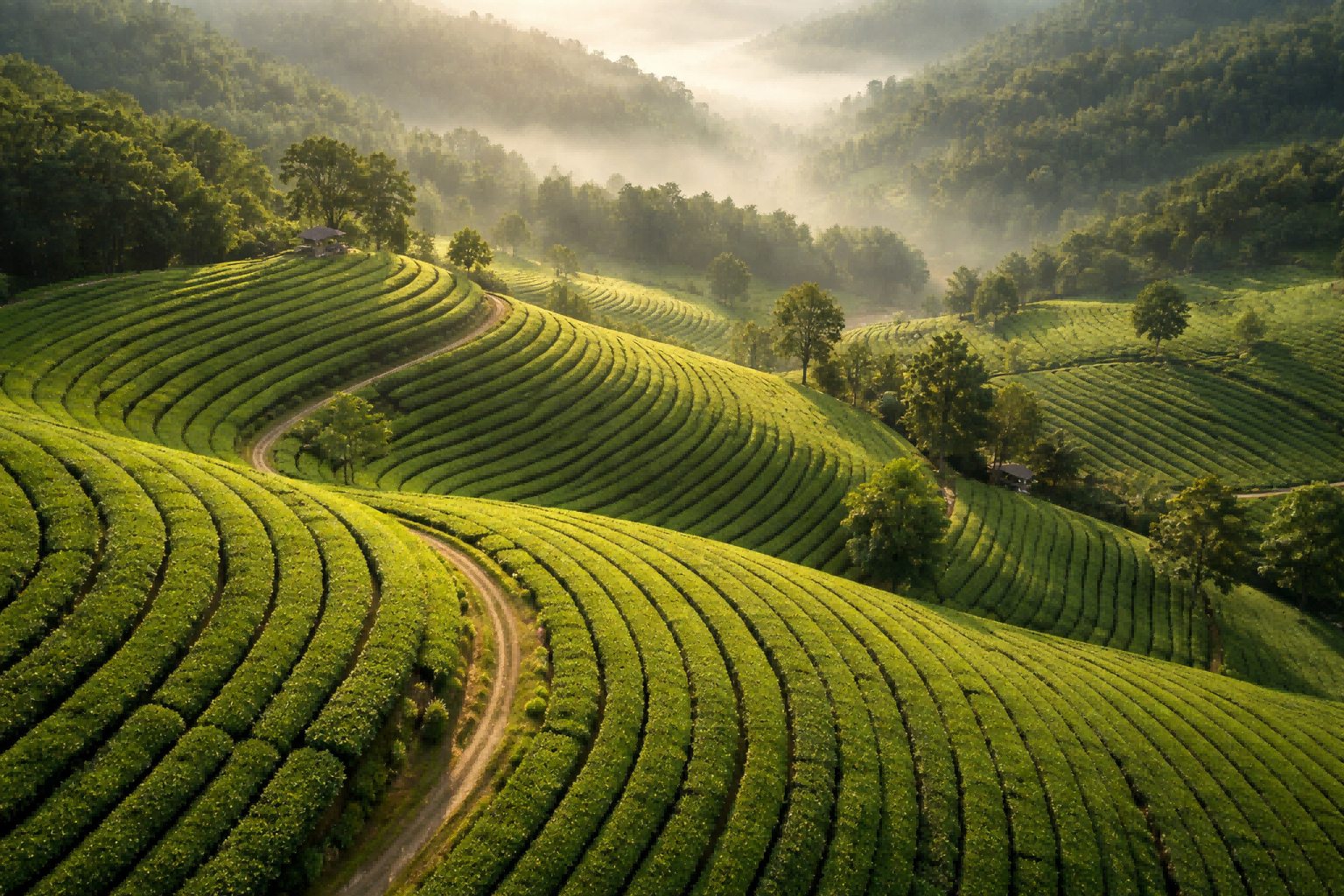
Absolute Food Safety (Your Brand's Shield): Many suppliers collect "scattered tea" from thousands of small farms, which is like a "blind box" full of pesticide drift risks. In contrast, I own over 2,300 mu of connected, high-mountain, purely organic tea gardens in Anshun, Guizhou. This is a true "single estate" model. I am in absolute control, from the soil to the weeding and pest control. What I give you is 100% certainty of passing EU and USDA inspections.
-
Custom R&D (Your Private Lab): Old, established giants will just hand you a catalog and ask you to pick from Grade A, B, or C. In my 100,000-class cleanroom workshop, I can do more. If your matcha latte turns yellow too quickly, I can personally fine-tune the steaming time by the second or manage the temperature rise of the superfine grinder. I use my heavy assets to develop an exclusive Lab* color value10 and theanine ratio just for you, building a unique flavor moat for your brand.
-
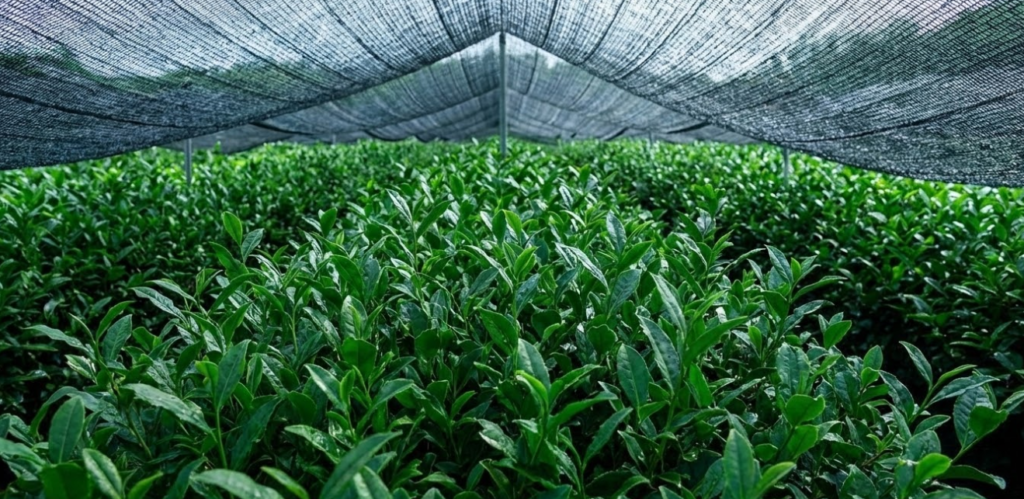
Serious Cost Advantage (Breaking the "Japan Myth"): We have imported the exact same production lines as the top factories in Japan. We also adhere to the same strict, weeks-long shade-covering process. But because we operate on new land in Anshun without the historical cost burdens, we can deliver that top-tier "nori umami" flavor at a source-level price. This helps you completely eliminate the 40% "Made in Japan" premium.
-
Flexible Partnership (Growing With You): The high minimum order quantities (MOQs) from giant suppliers can crush an emerging brand during its growth phase. We offer seamless, flexible supply chain support11, scaling with you from a 100-kilogram test run to a 50-ton full-scale order. I use my heavy assets to act as your co-founder, not just another supplier.
Conclusion
So, the best ceremonial matcha12 is in a Kyoto tea room. But the best, safest, and most profitable matcha supply chain for your global brand is right here.
Explore how the B2B supply chain ensures consistent matcha quality and safety for large-scale commercial use. ↩
Understand the role of Japanese heritage houses in preserving traditional matcha production and their impact on quality and flavor. ↩
Learn about Marukyu Koyamaen's dedication to quality and tradition, making it a standout choice for those seeking authentic Japanese matcha. ↩
Discover why Uji, Kyoto is renowned for producing some of the finest matcha, rooted in a rich history of tea cultivation. ↩
Discover why Ippodo Tea is celebrated for its premium matcha, offering insights into its heritage and quality that make it a top choice for enthusiasts. ↩
Learn about theanine-rich sweetness, a key characteristic of high-quality matcha that enhances its flavor and health benefits. ↩
Explore the rigorous standards matcha suppliers must meet to pass international pesticide inspections, ensuring product safety. ↩
Discover the benefits of sourcing matcha from a single-origin organic farm, ensuring purity and quality control. ↩
Learn how custom R&D allows for tailored matcha production, meeting specific flavor and quality requirements for brands. ↩
Understand the importance of Lab* color value in assessing matcha quality, influencing its appearance and appeal. ↩
Find out how flexible supply chain support helps matcha brands grow, adapting to changing demands and scaling efficiently. ↩
Delve into the unique qualities of ceremonial matcha, known for its superior flavor and cultural significance in tea ceremonies. ↩