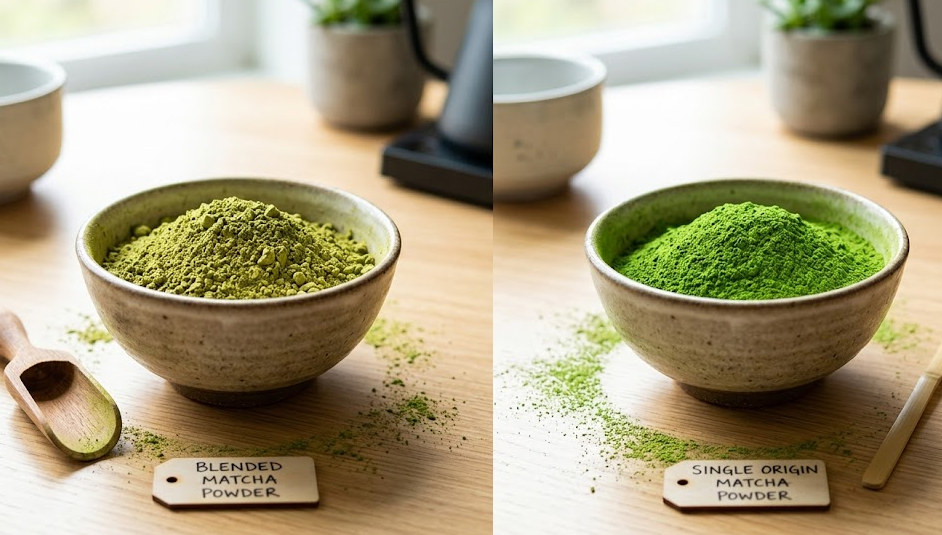
Struggling to find the right matcha supplier? The options are overwhelming, and a bad choice can risk your product's quality and your brand's reputation.
The "best" matcha supplier depends entirely on your business needs and scale. For small-batch ceremonial tea, use traditional Japanese brands1. For quick, local supply, use a Western wholesaler. For large-scale production and brand growth, you need a source factory supplier2 like us.
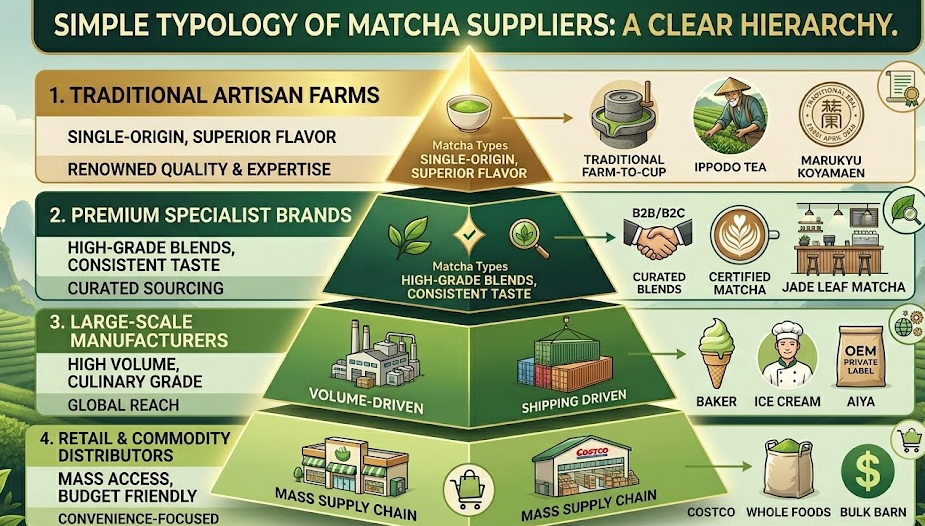
The real answer isn't a single company name. It's about understanding what you are buying. Are you sourcing 50 grams for a tea ceremony, or 50 tons for a ready-to-drink beverage line? These two needs have completely different definitions of "best". To help you find the right fit, I've broken down the global matcha market into three tiers of suppliers.
Are traditional Japanese brands1 the best matcha suppliers?
You want the most authentic, culturally rich matcha. But you worry that high costs and small production volumes will stop your business from growing.
Traditional Japanese brands like Ippodo and Marukyu Koyamaen are masters of their craft. They are perfect for high-end retail and tea ceremonies due to their complex flavors. However, their limited production capacity makes them a difficult choice for large, continuous supply chains.
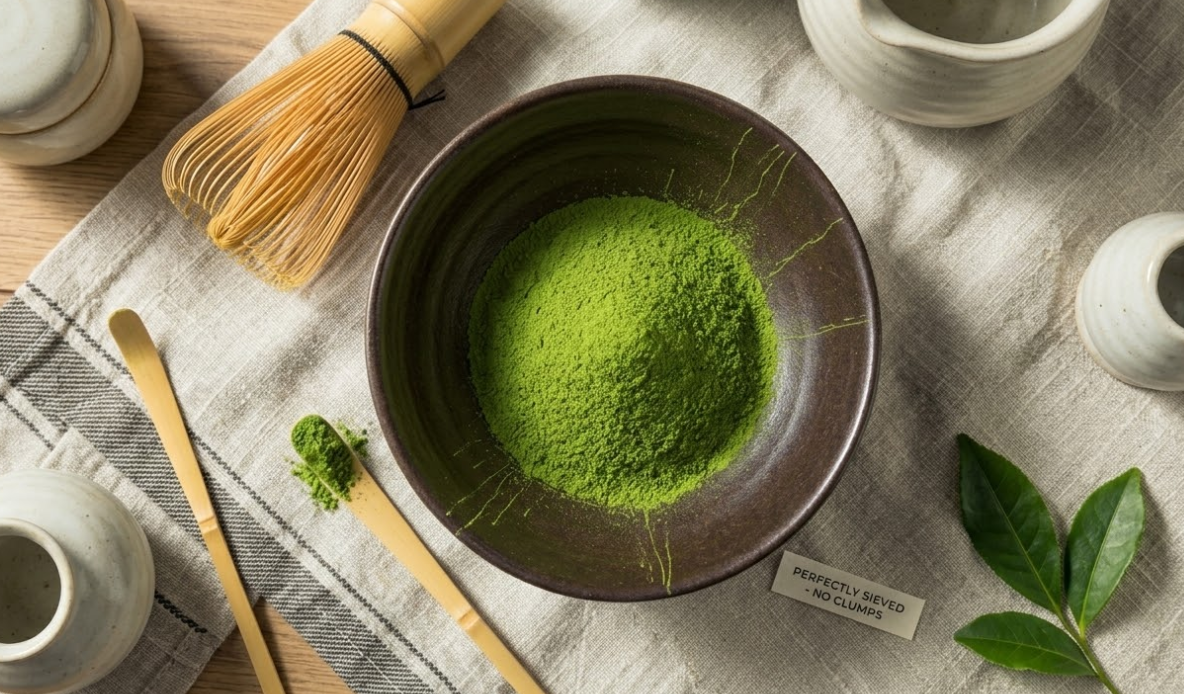
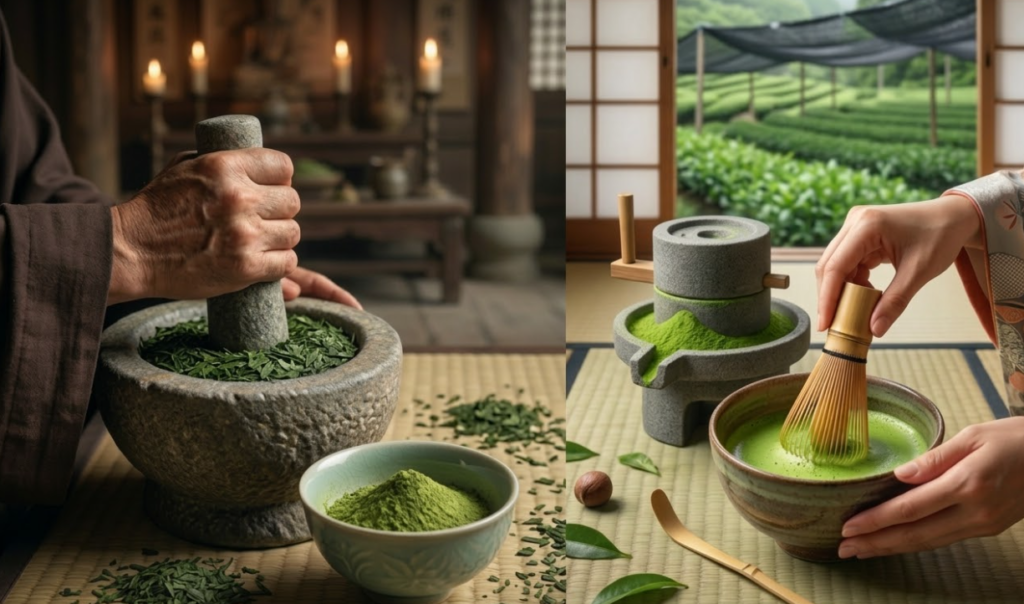
These brands are built on centuries of tea ceremony culture. Their strength lies in the art of blending, known as Gogumi3, which creates rich and layered flavor profiles. This makes their matcha ideal for a premium consumer who wants a deep cultural experience. However, this focus on artistry comes with limitations. Their supply chains are often fragmented and production volumes are low. They simply cannot support the massive, consistent orders required by a large café chain or food manufacturer. Their costs are also significantly higher. This is why I see them as specialists for a very specific market.
| Aspect | Tier 1: Traditional Japanese Brands |
|---|---|
| Best For | High-end retail, tea ceremonies, DTC brands4 |
| Strengths | Deep cultural heritage, complex flavor, premium branding |
| Limitations | Low production capacity, high cost, not built for scale |
| Typical User | Boutique tea shops, small-batch product developers |
Should you source matcha from local Western wholesalers5?
You need matcha fast, without the headaches of international logistics6. But you've noticed that batch quality is inconsistent, and middleman costs are hurting your profits.
Western wholesalers5 are a convenient choice for medium-sized businesses that need quick delivery from local stock. The process is simple and communication is easy. But since they are distributors, you pay a premium and risk getting inconsistent matcha from different batches and sources.
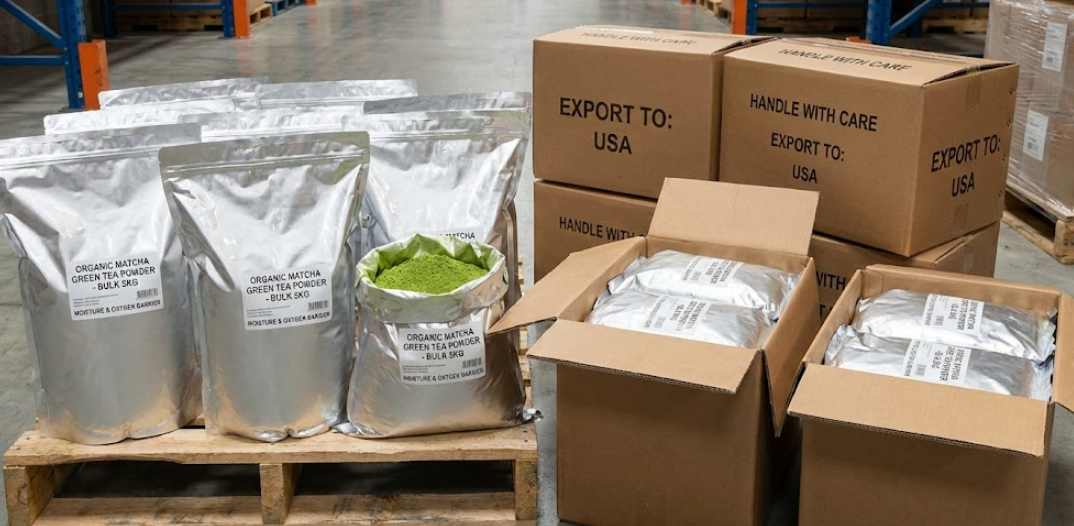
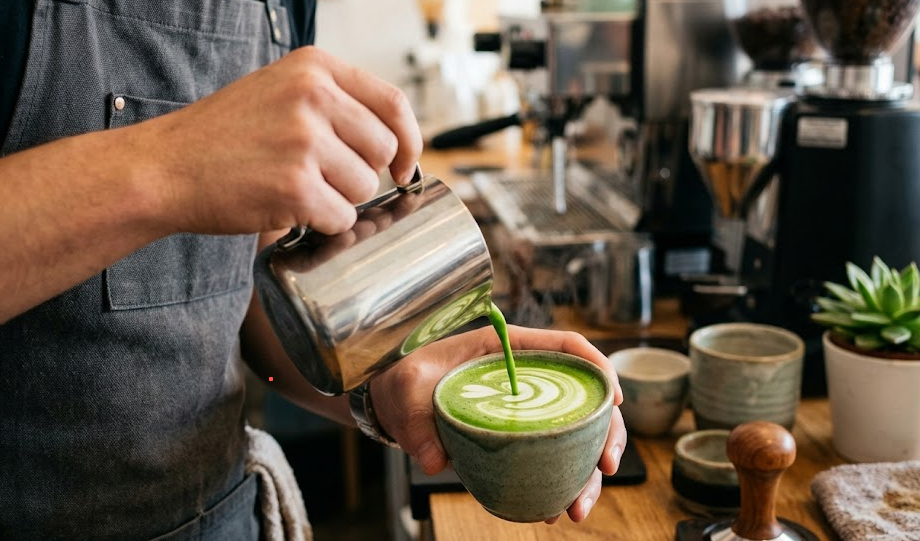
A few years ago, I spoke with a mid-sized café owner who used a local wholesaler. They loved the fast delivery. But one day, their signature matcha latte7 started tasting different. Their customers noticed. The problem was that their wholesaler had switched suppliers without telling them. This is the core risk of Tier 2. While players like Sugimoto USA offer great convenience with their local warehouses, they are fundamentally middlemen. They buy from various factories, which means the matcha you get today might not be from the same source as the matcha you get next month. This lack of control leads to inconsistencies in color, flavor, and texture, which is a deal-breaker for any brand that relies on a repeatable product.
| Aspect | Tier 2: Western Wholesalers |
|---|---|
| Best For | Mid-size procurement, urgent spot buys |
| Strengths | Fast local delivery, easy communication, no import hassle |
| Limitations | Middleman costs, inconsistent batch quality, lack of source control |
| Typical User | Growing café chains, brands testing the market |
Is a source factory the right partner for a growing brand?
Your brand is scaling up, and you now need matcha by the ton, not the kilogram. You are worried about supply chain failures, inconsistent quality, and passing audits.
Yes, a source factory supplier2 like us at MatchaSourcing.com is the perfect partner for large-scale brands. We provide complete supply chain control. This guarantees batch consistency8, full compliance with standards like USDA Organic9, and a stable, cost-effective supply for mass production.
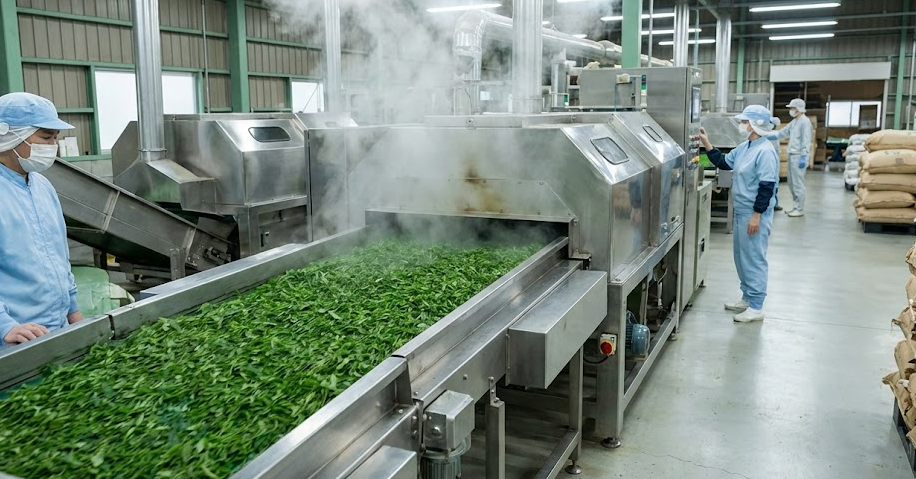
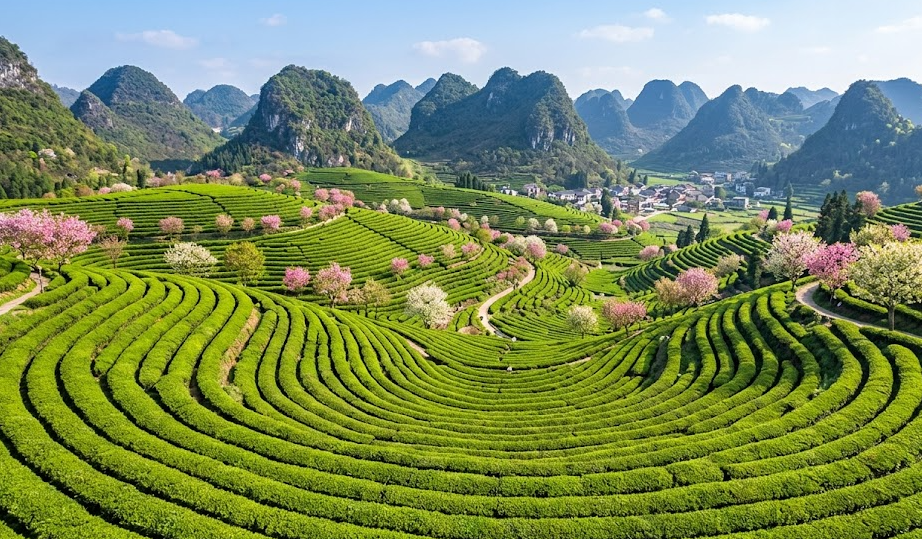
When your business enters a growth phase, your needs change. You stop just "buying a product" and start "building a stable supply system." This is where a source factory becomes essential. As a Tier 3 supplier, we control the entire process from our own organic tea gardens to the final packaged powder. This gives us critical capabilities that wholesalers and small brands cannot match. We manage our own production lines, allowing us to control specifications like particle size (mesh)10 and color (Lab* values11) with scientific precision. This ensures every single batch is consistent. We also hold all the necessary certifications like USDA, EU, and JAS Organic, and we are ready for any customer or regulatory audit. We handle international logistics6, providing batch-level Certificates of Analysis (COA)12 and delivering directly to your door (DDP).
| Key Capability | Why It Matters for Scale |
|---|---|
| Source Control | Guarantees stable, traceable raw material for consistent quality. |
| Industrial Production | Ensures every batch meets the exact same specs for color and taste. |
| Compliance System | Allows your products to be sold in high-standard markets (US, EU). |
| International Delivery | Simplifies your logistics and ensures reliable, on-time supply. |
Conclusion
Don't ask who is "best." Ask who fits your scale. For cultural experience, choose Tier 1. For spot buys, use Tier 2. For long-term growth, partner with a Tier 3 source factory.
Explore the rich cultural heritage and complex flavors offered by traditional Japanese matcha brands, perfect for high-end retail and tea ceremonies. ↩
Discover how source factory suppliers provide complete supply chain control, ensuring batch consistency and compliance for large-scale matcha production. ↩
Understand the art of Gogumi, a blending technique that creates rich and layered flavor profiles in traditional Japanese matcha. ↩
Find out why traditional Japanese matcha brands are perfect for direct-to-consumer brands seeking premium, culturally rich products. ↩
Learn about the convenience and fast local delivery offered by Western wholesalers, ideal for mid-sized businesses needing quick matcha supply. ↩
Learn how matcha suppliers manage international logistics to provide reliable, on-time delivery and simplify supply chains. ↩
Find out how supplier changes can impact the taste and consistency of matcha lattes, affecting customer satisfaction. ↩
Discover the importance of batch consistency in maintaining product quality and customer trust in matcha supply. ↩
Explore the significance of USDA Organic certification in ensuring high standards and compliance for matcha products. ↩
Explore how controlling particle size impacts the texture and taste of matcha, ensuring consistent quality across batches. ↩
Learn about L*a*b* values and their role in ensuring consistent color and quality in matcha production. ↩
Understand how Certificates of Analysis ensure quality and compliance in matcha production, providing transparency and trust. ↩