Worried your bulk matcha order won't match the sample? The real risks are unstable quality1 and customs delays2, not the price tag. Let's fix that.
The best importers use a checklist to verify a supplier's source control3, quality data, certifications, and logistics experience. This process, called supply chain due diligence4, ensures stable, compliant, and consistent matcha shipments.

I've seen many importers focus only on the price per kilo. This is a huge mistake. When you scale from a sample to a multi-ton order, your focus must shift from simple price comparison to a deep dive into your supplier's capabilities. This isn't just a list of suggestions; these are the core questions you must ask before placing any large order. Let's walk through the checklist I use myself.
How do you verify your matcha's source and cultivation system?
Are you getting matcha from a single, reliable farm or a random mix? Inconsistent sources lead to unpredictable flavor and color, damaging your brand's reputation with every batch.
Verify your supplier has a stable, traceable origin5, preferably from a single region. Ask if they rely on blending from multiple sources. A stable source means higher control over the final product's quality, color, and flavor profile, ensuring batch-to-batch consistency for your business.
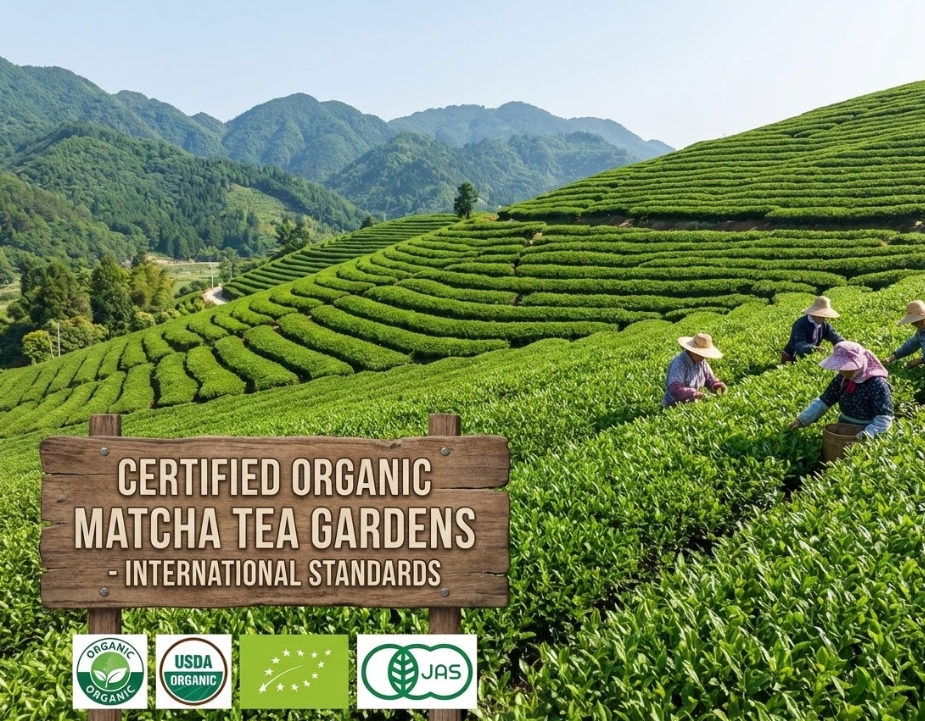
This is about control. A few years ago, a client came to us after their previous supplier sent them a batch that was noticeably more bitter and less vibrant. The problem? Their supplier was buying from different regions to get the lowest price, blending them together. This "multi-source" approach creates huge uncertainty. You never know what you're going to get. That's why the first thing on my checklist is always the source.
Key Questions for Source Control
You need to ask your supplier directly:
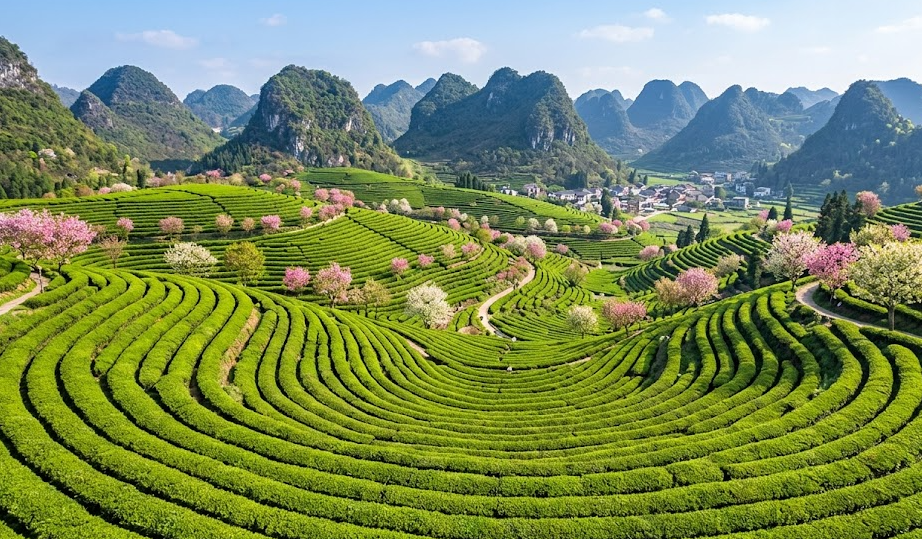
- Is the matcha from a single, dedicated region? A supplier with their own tea gardens, like we have in Guizhou, has direct control over the entire process.
- Can you provide documentation on the origin? This proves they aren't just buying on the open market.
- What are your cultivation management practices6? This leads to the next crucial point: shading. Shading the tea plants for 20-30 days before harvest is not optional for high-quality matcha. It's what boosts chlorophyll for that vibrant green color and increases L-theanine, the amino acid responsible for the smooth, umami flavor.
Here's a simple breakdown of why it matters:
| Cultivation Factor | Why It's Critical | What to Look For |
|---|---|---|
| Single Origin | Guarantees consistency in taste and color. | Supplier owns or manages specific tea gardens. |
| Traceability | Allows you to verify the source and handle audits. | A system that tracks tea from farm to package. |
| Shading Process | Directly creates the signature matcha profile. | Records showing 20-30 days of pre-harvest shading. |
A supplier who can't answer these questions clearly is a major red flag. They are likely a trader, not a producer, which adds layers of risk to your supply chain.
What quality data is essential for ensuring matcha consistency?
Your matcha looks great, but will it pass customs? Without the right data, your shipment could be rejected, costing you thousands and delaying your production schedule.
A batch-level Certificate of Analysis (COA) is non-negotiable.
It must include pesticide residue, heavy metals, and microbiology reports.
Also request:
- Lab* color data
- particle size information
- confirmation of steam fixation
to guarantee consistency and safety across every single order you receive.
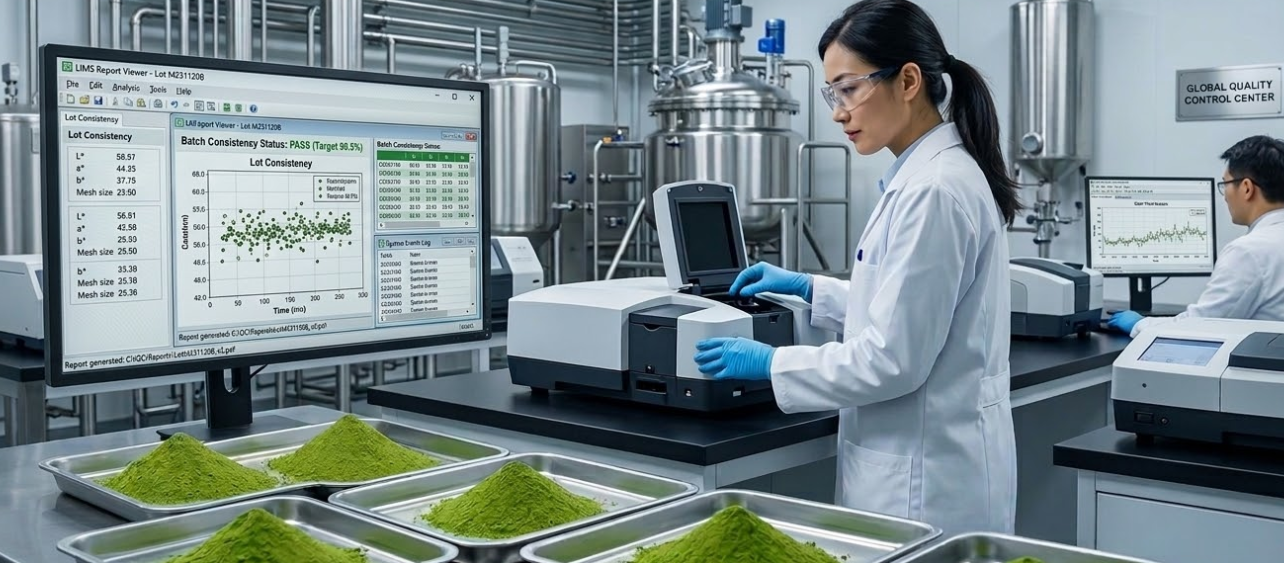
Data is your best friend in the matcha business. Feelings and visual checks don't work when you're dealing with tons of product. A reliable supplier doesn't just tell you their matcha is good; they prove it with numbers. Every single batch we produce comes with a full set of data, because that's what our partners need to operate without risk.
The Data Points You Cannot Ignore
Your supplier must provide these details for each batch. If they hesitate, walk away.
-
Certificate of Analysis (COA)7: This is your passport through customs. It must clearly state that the batch passes tests for pesticide residues, heavy metals, and microbes according to your target market's standards. Without a clean COA, your product is not commercially viable.
-
*Color Value (Lab):* Visual consistency is key for beverages and food products. Ask for [Lab color data](https://matchasourcing.com/why-is-matcha-color-important-matcha-green-color-is-the-key-to-determining-quality/)%%%FOOTNOTE_REF_8%%%. The 'a' value is especially important—a more negative 'a' value means a more vibrant green. A good supplier will have a tight range for this value across batches.
-
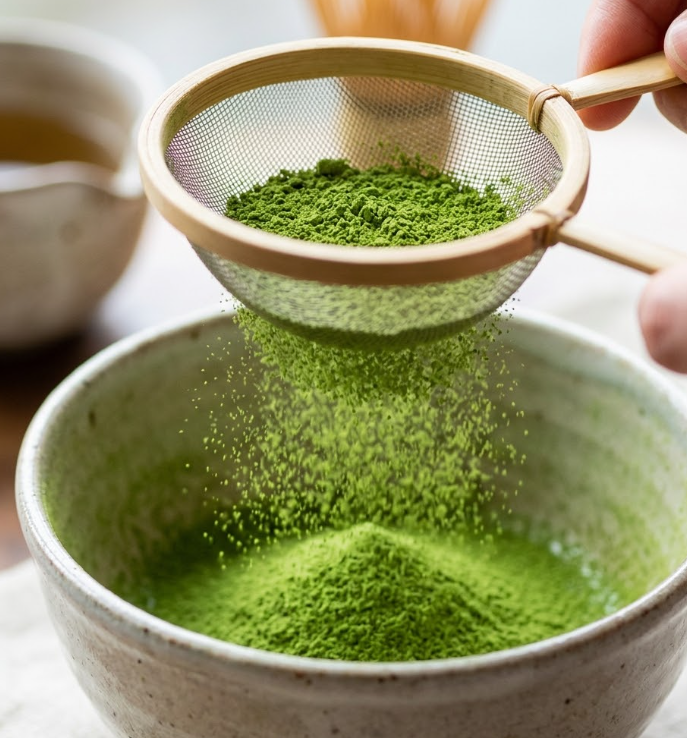
Particle Size (Mesh): This affects how the matcha dissolves, suspends in liquid, and feels in the mouth. A fine powder (e.g., 1500 mesh) is great for lattes, while a slightly coarser one might be better for baking. Your supplier should provide this data so you can match the grade to your application.
-
Processing Method: Ask if they use steam fixation9. Traditional Chinese green teas are often pan-fired, which creates a toasted flavor. For matcha, steam is essential. It deactivates enzymes quickly, locking in the bright green color and fresh, umami flavor.
Here is how these data points translate to business results:
| Data Point | Business Impact | What to Ask For |
|---|---|---|
| COA | Ensures customs clearance and food safety. | Batch-specific COA with pesticide, heavy metal, and micro results. |
| *Lab Color** | Guarantees consistent product appearance. | Historical Lab* data to show batch-to-batch stability. |
| Particle Size | Affects performance in your application (solubility, texture). | Particle size analysis report (e.g., D50 value). |
| Steam Fixation | Preserves the desired color and flavor. | Confirmation of steam fixation9 process, not pan-firing. |
Which certifications are non-negotiable for importing matcha?
Found a great supplier, but they lack the right paperwork? Without proper certifications, your matcha is worthless in premium markets, blocking your access to key customers and retailers.
Your supplier must hold major organic certifications like USDA, EU, and JAS Organic. Additionally, check for food safety systems like HACCP10 and ISO 900111. These are not optional; they are the baseline for market entry, audit compliance, and ensuring long-term supply chain reliability.
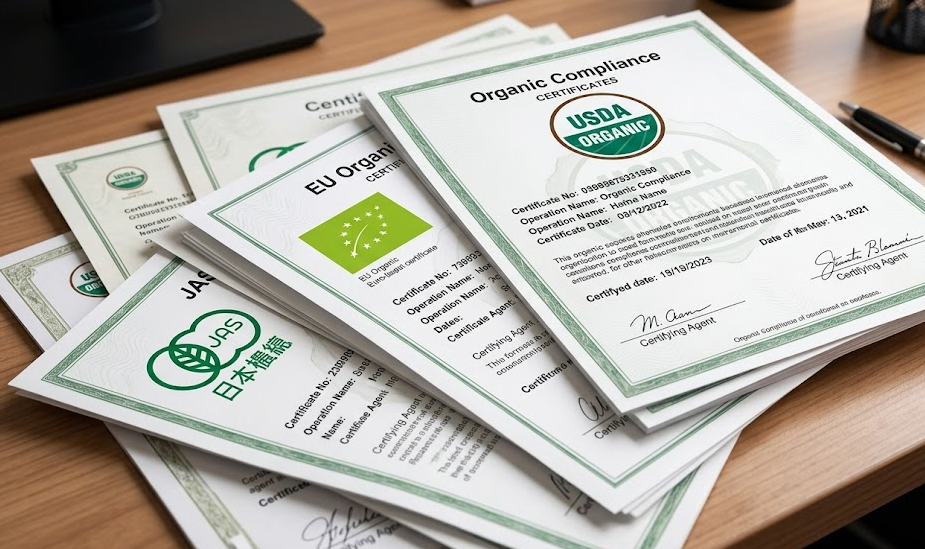
Certifications are your market entry tickets. I remember a potential partner in Germany who loved our matcha sample but spent weeks vetting our documentation. They weren't just being difficult; they were doing their job. Their customers, major European retailers, would not even consider a product without a valid EU Organic certificate and a clear traceability system12. We passed their audit easily because our systems were already in place. This is the difference between a professional supplier and a simple trader.
Your Compliance Audit Checklist
Think of this as a passport check for your product. No valid passport, no entry.
- Organic Certifications: This is the most fundamental requirement for premium markets. Your supplier needs to have the correct certification for your target region.
- For the US: USDA Organic13
- For Europe: EU Organic
- For Japan: JAS Organic
- Food Safety & Quality Systems: These show that the supplier has a professional, repeatable process for producing safe, high-quality products.
- Full Traceability System: When an auditor from a major retailer visits, they will want to trace a finished product back to the specific tea garden plot it came from. A supplier with a digital or paper-based traceability system12 can do this. One without it cannot pass a serious audit.
- Specialty Certifications: Depending on your market, these can open up more channels.
- Kosher & Halal14: Important for specific consumer segments.
- Rainforest Alliance15: Shows a commitment to environmental and social sustainability.
Here's a table to organize your thoughts:
| Certification / System | Why It Matters | Status |
|---|---|---|
| Organic (USDA, EU, JAS) | Market access requirement for premium channels. | Must-have |
| HACCP10 / ISO | Proves professional and safe manufacturing processes. | Must-have |
| Traceability System | Essential for passing customer and regulatory audits. | Must-have |
| Kosher / Halal | Expands your potential customer base. | Important Add-on |
How can you accurately calculate landed cost and ensure smooth delivery?
Is that low FOB price too good to be true? It probably is. Hidden shipping fees, customs issues, and taxes can destroy your profit margins unexpectedly.
Always compare the total landed cost, not just the FOB price. A reliable supplier should offer clear pricing (FOB, CIF, or DDP) and have experience with your market's customs, like the FDA. Also, confirm they use high-barrier, nitrogen-flushed packaging16 for long-haul transit.
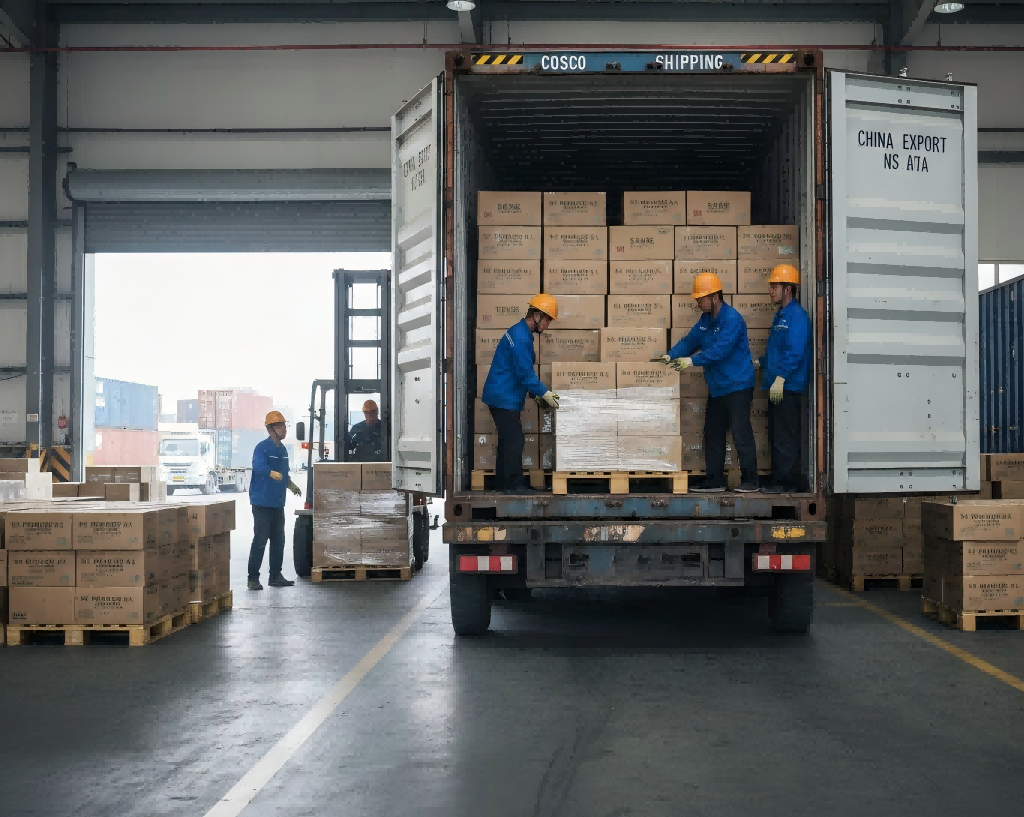
The final hurdle is getting the product from the factory to your warehouse safely and cost-effectively. A cheap ex-works price means nothing if the product gets stuck at the port or arrives damaged. I once helped a client who was quoted a very low price by another supplier. But that price was FOB Shanghai. They had to arrange their own freight, insurance, US customs clearance, and final trucking. The final "landed cost" was almost 40% higher than the initial quote. This is why we always discuss the full picture with our partners.
Deconstructing Your Final Cost
- Understand the Pricing Terms: Don't just look at the price per kilo.
- FOB (Free On Board)17: You are responsible for everything after the goods are loaded onto the ship.
- CIF (Cost, Insurance, and Freight)18: The supplier handles shipping to your port, but you handle customs and inland transport.
- DDP (Delivered Duty Paid)19: The supplier handles everything, delivering the product to your door. This is the easiest way to compare true costs.
- Verify Customs Experience: A supplier who regularly ships to the US will know FDA requirements. One who ships to the EU will understand their import rules. This experience is invaluable and dramatically reduces the risk of your shipment being delayed or rejected. Ask for examples of shipments to your country.
- Inspect the Packaging: Matcha is very sensitive to oxygen, light, and moisture. For international shipping, proper packaging is a final line of defense for quality.
- It must be a high-barrier foil bag.
- It should be nitrogen-flushed to remove oxygen.
- The outer carton must be sturdy enough for weeks of transit.
Use this table to evaluate a supplier's logistics capability:
| Logistics Factor | What to Check | Why It's Critical |
|---|---|---|
| Pricing (Incoterms) | Ask for a DDP quote to see the true landed cost. | Avoids hidden costs and gives a clear budget. |
| Customs Experience | Do they have experience with FDA/EU regulations? | Reduces risk of delays, fines, or rejection. |
| Packaging | Is it nitrogen-flushed, high-barrier foil? | Protects matcha quality during long transit times. |
Conclusion
This checklist transforms your buying process from a price guess to a fact-based decision. It ensures you partner with a supplier who delivers stability, quality, and compliance every time.
Want to streamline your supplier screening?
If you don't want to screen different suppliers one by one, you can contact us directly through the form on our page.
We can provide you with:
- A complete list of certifications and documents
- Batch-level COA data
- Matching solutions for different application scenarios
- Bulk quotations and cost analysis
- DDP door-to-door delivery solutions
After you submit the form, we will provide a tailored plan based on your purchase volume and target market.
Understanding the risks of unstable quality helps ensure consistent product delivery and maintain brand reputation. ↩
Exploring customs delays can help you avoid unexpected costs and ensure timely delivery of your matcha products. ↩
Understanding source control helps maintain consistent flavor and color, crucial for brand reputation and product quality. ↩
Learning about supply chain due diligence ensures stable and compliant matcha shipments, reducing risks in your supply chain. ↩
A traceable origin ensures product consistency and reliability, essential for maintaining quality standards in matcha. ↩
Effective cultivation practices enhance matcha quality, ensuring vibrant color and smooth flavor, vital for premium products. ↩
A COA ensures matcha meets safety standards, preventing customs rejections and ensuring product viability in target markets. ↩
L*a*b* color data guarantees visual consistency, crucial for maintaining product appeal in beverages and food products. ↩
Steam fixation preserves matcha's vibrant color and umami flavor, crucial for high-quality product standards. ↩
HACCP certification ensures food safety management, crucial for producing safe, high-quality matcha products. ↩
ISO 9001 certification demonstrates quality management, ensuring consistent and reliable matcha production processes. ↩
A traceability system ensures audit compliance and product reliability, essential for maintaining supply chain integrity. ↩
USDA Organic certification is essential for accessing premium markets and ensuring compliance with organic standards. ↩
Kosher & Halal certifications expand market reach, catering to specific consumer segments and increasing sales potential. ↩
Rainforest Alliance certification demonstrates environmental and social sustainability, appealing to eco-conscious consumers. ↩
Nitrogen-flushed packaging protects matcha from oxygen, preserving its quality during long-haul transit. ↩
Understanding FOB pricing helps manage logistics costs, ensuring accurate budgeting for matcha imports. ↩
CIF pricing includes shipping costs, helping importers understand total expenses and manage logistics effectively. ↩
DDP pricing simplifies cost management, providing a clear picture of total expenses for matcha delivery. ↩