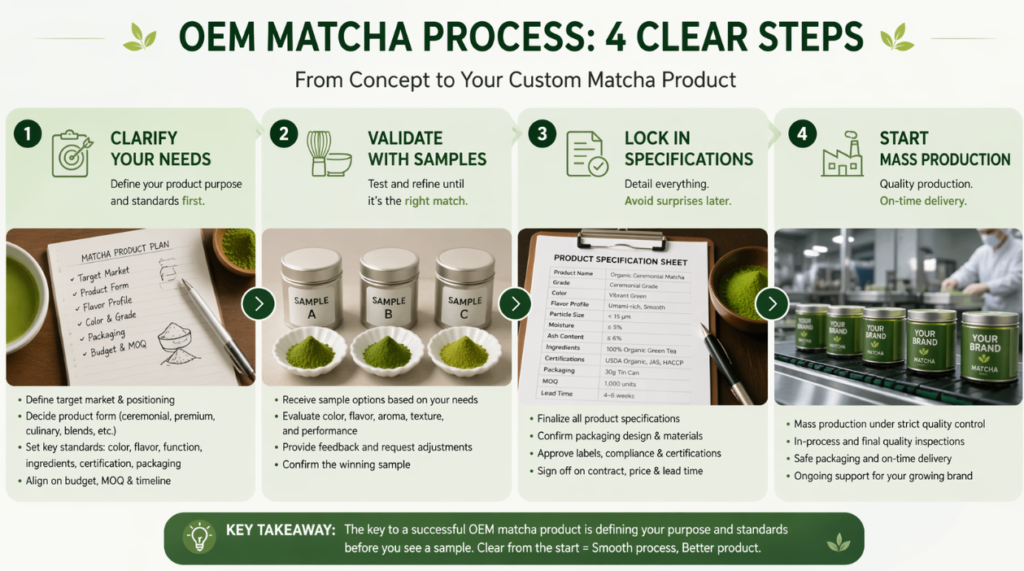
Building a matcha supply chain is a minefield of customs holds and unreliable suppliers. You risk losing money and time. I'll show you the unfiltered blueprint to win.
To build a reliable North American matcha supply chain, partner directly with a single-origin, heavy-asset factory1. This guarantees FDA/CFIA compliance2 with certified organic products3, provides a flavor profile for oat milk lattes, includes door-to-door logistics4, and bypasses the expensive "origin tax5" from Japanese middlemen.
As the CEO of MatchaSourcing.com, I've sat across the table from North American buyers on the verge of tears. I've seen their frustrations firsthand. Let's break down how you can avoid these pitfalls and build a supply chain that actually works for your brand in the U.S. and Canada.
How Do You Get Your Matcha Safely Across the FDA and CFIA Border?
Are you worried about your matcha getting seized by customs? The FDA and CFIA only care about cold, hard lab data. Here’s how to build an impenetrable defense.
The only way is to use 100% certified organic matcha from a single-origin source6. This eliminates the risk of pesticide residue from mixed-farm sourcing. A USDA/COR organic certificate7 is your shield, ensuring your shipment clears customs without any issues.
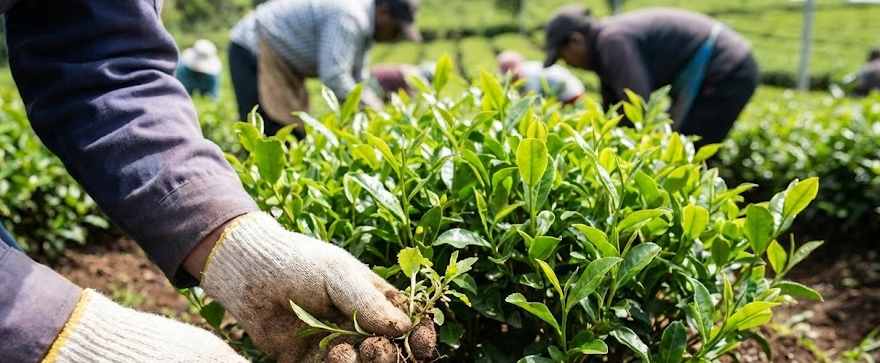
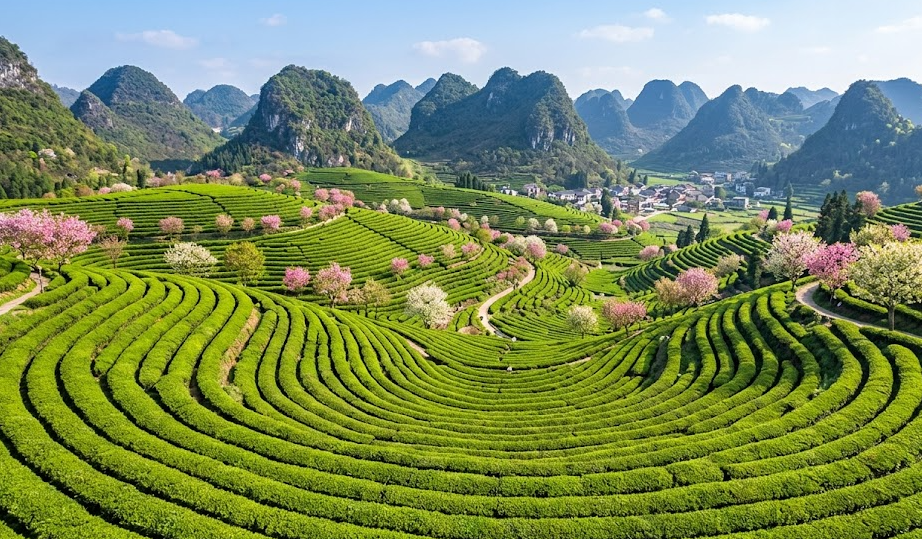
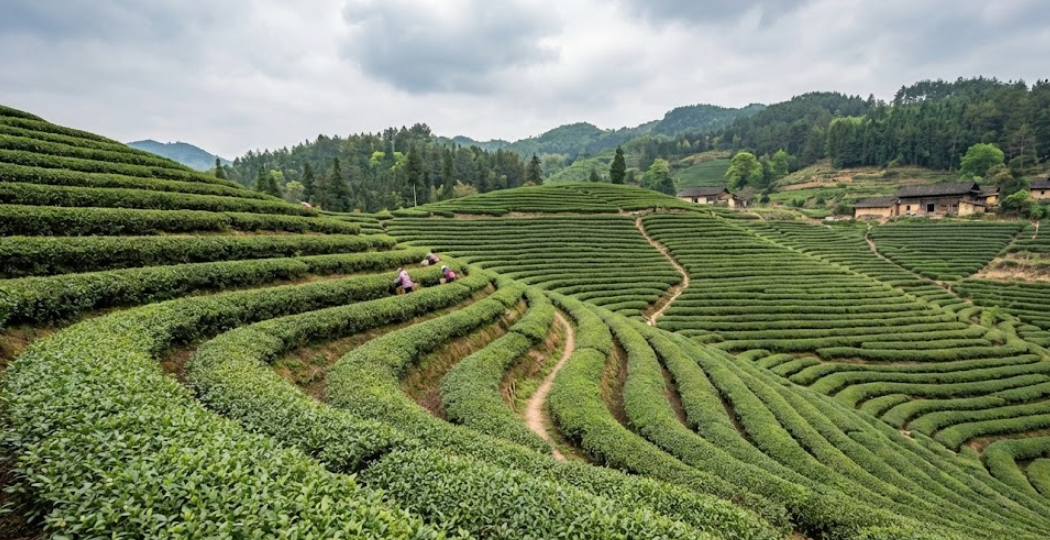
Most North American buyers are unknowingly playing a "blind box game." They buy from traders whose matcha is a mix from hundreds of small, individual tea farmers. If just one of those farmers uses a banned pesticide, your entire container will light up red at customs. It will face rejection or even destruction. You cannot afford to take that risk. This is why we invested everything into our 2,300-mu high-altitude base in Anshun8. We have absolute control over the soil and water. We use physical weeding9 and never touch chemical agents. Because our product is 100% organic, we hand you a flawless USDA Organic lab report, which is also recognized by Canada's COR system. When your matcha arrives on the West Coast, it passes through customs smoothly. That document is backed by a piece of land that is strictly managed and physically isolated.
| Sourcing Method | Risk of Customs Rejection | Why It's Risky | Our Solution |
|---|---|---|---|
| Trader / Wholesaler | High | Sourced from hundreds of farms. One bad batch contaminates the whole container. | Single-Origin Control |
| General Supplier | Medium | Lack of full control over the entire growing process. | Heavy-Asset Factory |
| MatchaSourcing.com | Low | We own and manage our organic base. We control every input from soil to harvest. | Total Traceability |
How Do You Create a Matcha Flavor That North American Customers Actually Love?
Does your matcha get lost in oat milk, turning muddy and bitter? Standard grades can't handle the North American style. Let me show you how to engineer the perfect taste.
You need a matcha specifically engineered for milk-based drinks. This means a high L-theanine content10 for umami and a vibrant green color that resists dilution. We achieve this by fine-tuning our steaming and milling process11, creating a custom flavor profile for you.
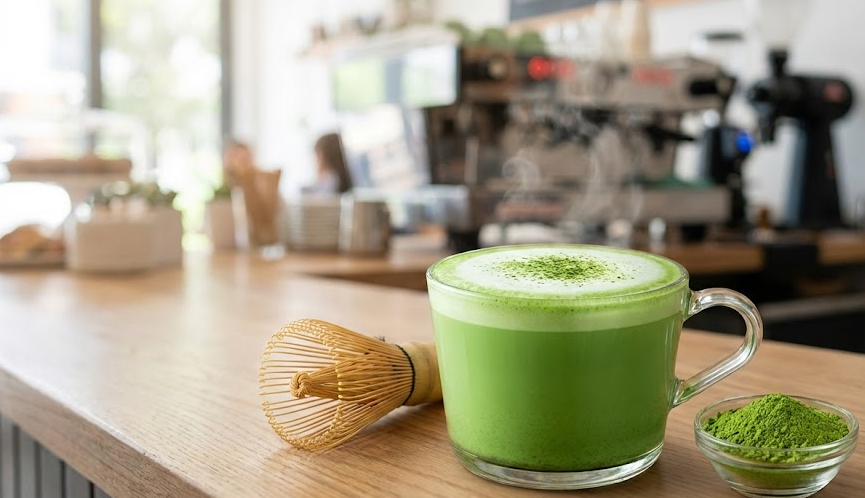
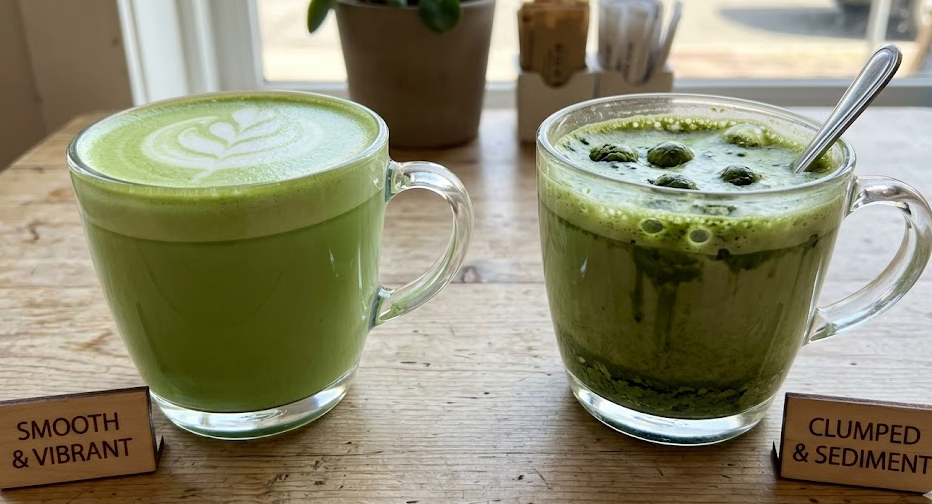
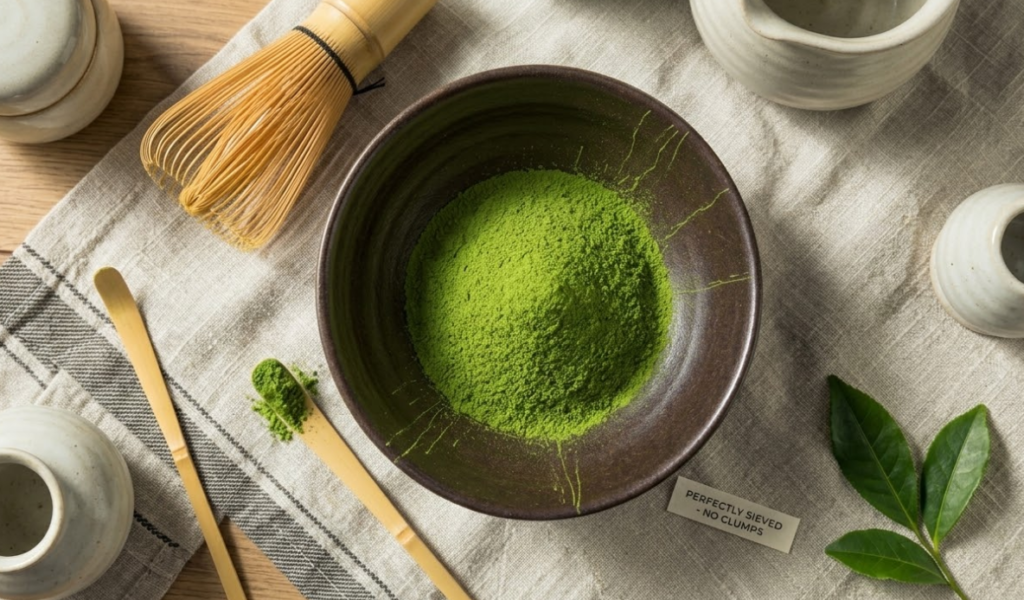
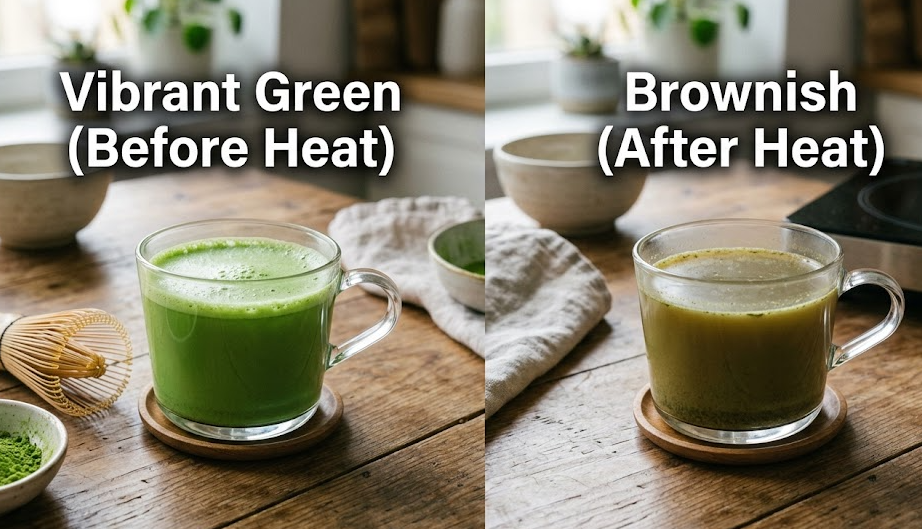
Consumers in North America drink matcha very differently than a tea master in Kyoto. Your customers pour it into oat milk, almond milk, or blend it with functional adaptogens. They load it up with ice. If you use a standard, off-the-shelf matcha, those heavy plant-based milks will instantly dilute the color to a murky, unappetizing yellow-green. It will also leave a bitter aftertaste. To win in the U.S. and Canada, you need a unique flavor profile. In our facility, we don't just give you something off the shelf. We become your private R&D lab. We will fine-tune the timing on our imported Japanese steam-fixing lines and carefully control the temperature of our superfine grinders12. The result is a matcha with a neon-like vibrant green color and an extremely high concentration of L-theanine for that umami flavor. This intense sweetness and color can punch right through heavy oat milk, making your latte look amazing on social media.
| Attribute | Standard Matcha | Our Custom Matcha | Impact on Your Drink |
|---|---|---|---|
| Color in Oat Milk | Muddy Yellow-Green | Vibrant, Neon Green | Instagram-worthy, looks premium. |
| Taste Profile | Bitter, Astringent | Sweet, Strong Umami | Smooth, no bitter aftertaste. |
| Performance | Gets lost in other flavors | Punches through milk & syrups | Consistent, delicious flavor. |
How Do You Solve the Nightmare of International Matcha Logistics?
Shipping matcha across the ocean is a nightmare. Air freight is too expensive, and sea freight risks ruining the powder. Here’s how we make it completely painless for you.
You need a partner who offers DDP (Delivered Duty Paid) shipping. This means we handle the complex international freight, customs clearance, and duties. We deliver the matcha directly to your warehouse in the U.S. or Canada, ready to use.
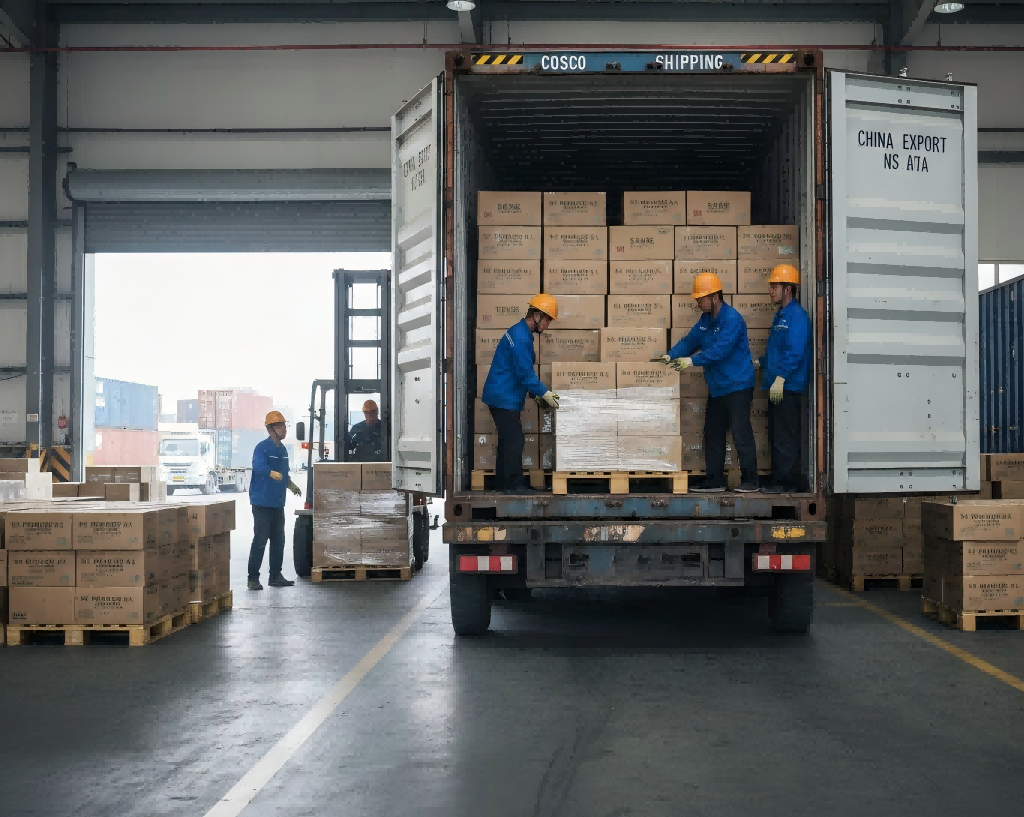
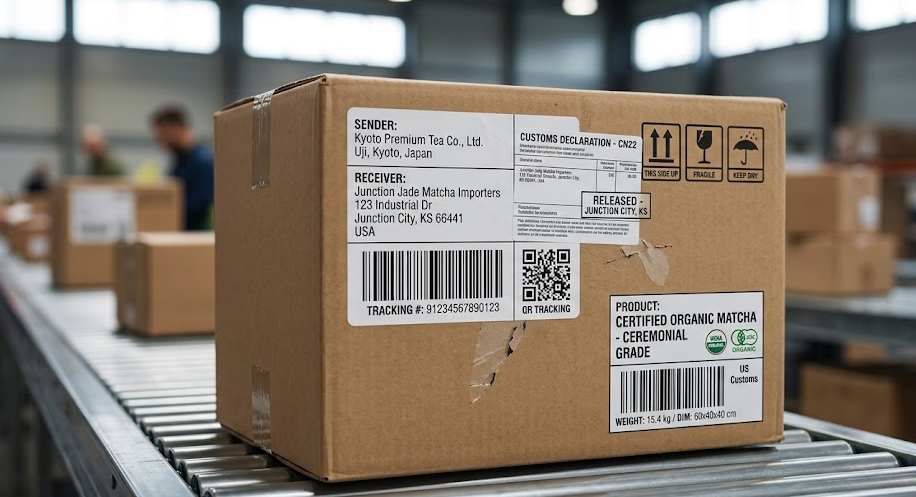
Shipping pallets of light-and-oxygen-sensitive green powder across the Pacific Ocean is a huge challenge. Using air freight will destroy your profit margins. But using sea freight to a port like Los Angeles, Oakland, or Vancouver means you have to deal with long transit times, high humidity, and big temperature swings. You need an ally who understands North American trade terms. We will never just drop a container at a port in China and wish you luck. We manage the complex FDA/CFIA clearance and international shipping. We deliver the product directly to your warehouse in California or Ontario using DDP terms. To survive the weeks at sea, every kilogram of matcha we ship is sealed in a light-proof aluminum foil bag13 under a hard vacuum. This protects the fragile chlorophyll from oxidation and moisture. When you cut open the bag in your Chicago warehouse, you will smell the same fresh aroma from the day it was milled.
| Logistics Step | Who Handles It (Typical Supplier) | Who Handles It (MatchaSourcing) | Your Experience |
|---|---|---|---|
| Export from China | Supplier | We do | You don't worry about it. |
| Sea Freight | You or a broker | We do | You don't worry about it. |
| U.S./Canada Customs | You or a broker | We do | No surprise fees or delays. |
| Final Delivery | You arrange trucking | We do | It arrives at your door. |
How Can You Avoid the "Origin Tax" and Boost Your Profit Margins?
Think you have to buy from Japan for premium quality? You could be paying a 40% "origin tax5" for repackaged tea. Here's how to get better value.
By sourcing directly from a heavy-asset Chinese factory like ours, you bypass the middlemen. You get the same micronization14 and umami flavor as top Japanese brands but at a direct-from-the-source price. This massively increases your profit margin without sacrificing quality.
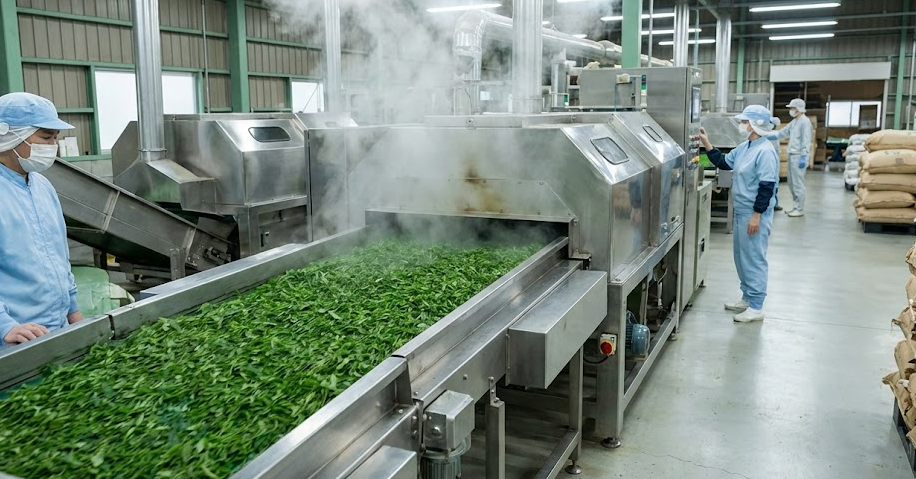
Many North American brands have been led to believe that only matcha from large Japanese suppliers is "premium." They don't realize they are paying an "origin tax" of up to 40%. Much of this bulk tea powder is originally grown on Chinese soil, shipped to Japan for repackaging, and then sold to Americans at a high price. When you work directly with our Anshun base, you cut out all the middlemen. You get the same superfine particle size and savory umami taste you would from a century-old Kyoto shop. But you pay a brutal, direct-from-the-source price. We also act as a flexible partner15. If you are a concept cafe in Brooklyn16, we can run a 100 kg test order for you. When you expand to 200 stores next year, our tea gardens can supply 50 tons to support you. The millions you save by bypassing Japanese traders is the best ammunition to buy shelf space17 and beat your competitors.
| Sourcing Path | Quality | Cost | Your Advantage |
|---|---|---|---|
| Japanese Trader | High | Very High (includes ~40% "origin tax") | Perceived prestige. |
| Direct from MatchaSourcing | High | Source Price (no middlemen) | Huge cost savings, flexible scaling. |
Conclusion
Building a North American supply chain is about partnering with a true source factory. This gives you compliance, custom quality, and the profit to dominate your market.
Discover how partnering with a single-origin, heavy-asset factory ensures compliance and quality in your matcha supply chain. ↩
Learn the steps to guarantee your matcha shipments meet FDA and CFIA standards, avoiding costly customs issues. ↩
Explore the advantages of using certified organic matcha, including health benefits and smoother customs clearance. ↩
Understand how door-to-door logistics can simplify your matcha supply chain and reduce logistical headaches. ↩
Find out how avoiding the origin tax can significantly reduce costs and increase profit margins in matcha sourcing. ↩
Discover the importance of single-origin sourcing in maintaining matcha quality and consistency. ↩
Learn how a USDA/COR organic certificate can protect your matcha shipments from customs rejections. ↩
Explore why a high-altitude base in Anshun is ideal for producing high-quality, organic matcha. ↩
Understand the role of physical weeding in maintaining organic standards and quality in matcha production. ↩
Learn about the benefits of high L-theanine content in matcha, including enhanced flavor and health benefits. ↩
Discover how precise steaming and milling processes can enhance matcha's flavor and appearance. ↩
Understand the impact of superfine grinders on achieving a smooth, vibrant matcha powder. ↩
Learn how light-proof aluminum foil bags protect matcha from oxidation and moisture during shipping. ↩
Explore how micronization enhances matcha's texture and flavor, making it more appealing to consumers. ↩
Discover the advantages of working with a flexible partner who can adapt to your matcha supply needs. ↩
See how direct matcha sourcing can support a concept cafe's growth and product quality. ↩
Learn how cost savings in matcha sourcing can be reinvested to secure better shelf space and market presence. ↩