Your brand is growing, and you need a US matcha supplier. But are you facing inconsistent quality and high costs1? The best partner might not be where you think.
For scaling businesses, the best matcha wholesale supplier isn't always located in the US. A direct-from-source manufacturer2 offering DDP shipping3 often provides better cost, consistency, and compliance, giving you a local buying experience4 with global supply chain advantages.
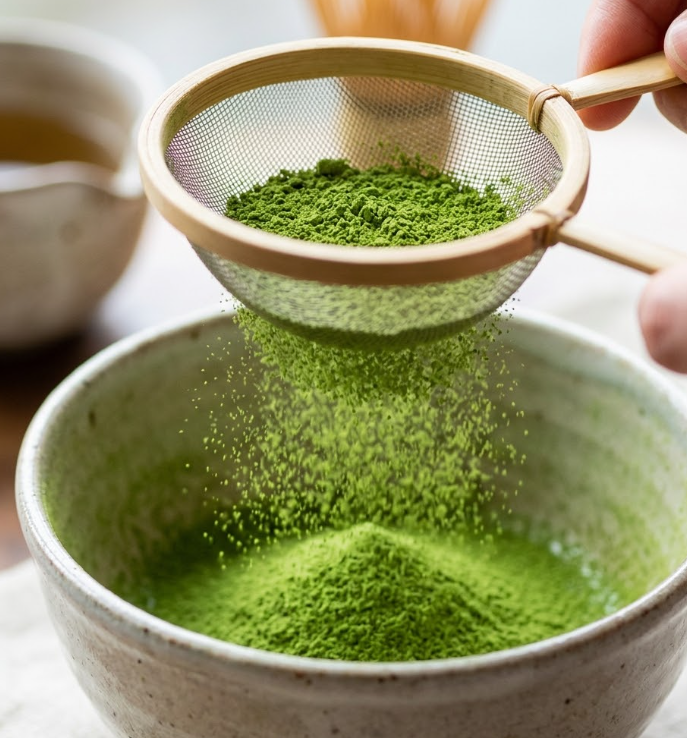
Many of our partners in North America started by searching for a local supplier. They thought it was the safest, fastest way to get their matcha. But as their orders grew from kilograms to tons, they ran into problems we see all the time. Let's explore why this happens and what a better, more stable solution looks like for your brand.
For U.S. buyers comparing supplier options, our wholesale matcha supplier page explains grades, pricing logic, samples, COA and repeat supply support.
For FDA Prior Notice and import document planning, read our bulk matcha import documents guide.
Do US-Based Matcha Wholesalers Really Control Their Supply Chain?
You chose a US supplier for security and speed. But what if they are just middlemen, piecing together inventory from different Asian factories? This creates hidden risks for your brand.
Most US matcha wholesalers5 do not control the source. They typically act as importers, relying on multiple factories and channels. This can lead to batch inconsistencies6, lack of traceability7, and higher costs due to extra layers in the supply chain.
When you look at the real supply chain structure, you see a critical fact: the US does not have the climate for large-scale matcha cultivation. This means nearly all matcha is imported from Asia. Many US-based wholesalers maintain their stock by sourcing from various importers and factories, which means the matcha you buy this month might come from a completely different origin than the matcha you buy next month.
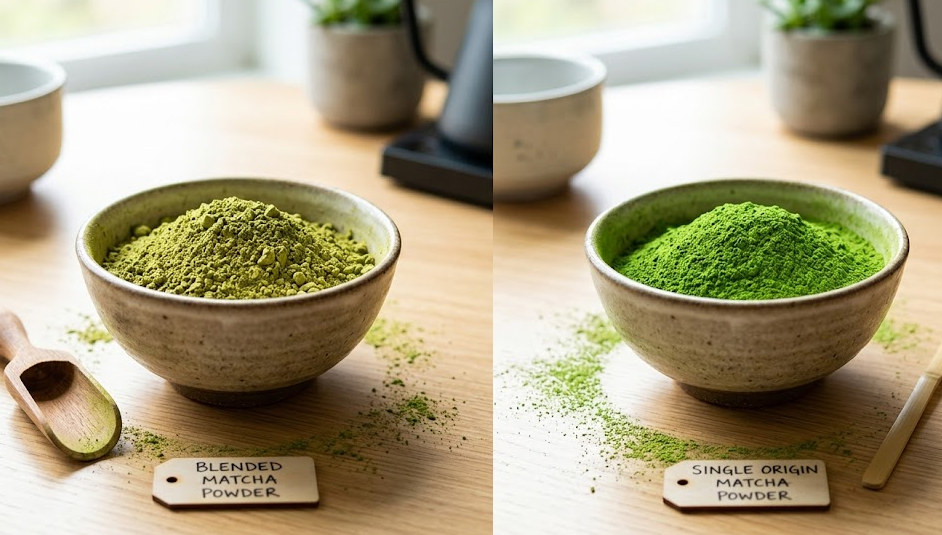
For a small test order, this might be acceptable. But it becomes a huge problem when you start scaling. I remember a client, a growing coffee chain, who came to us frustrated. Their US supplier sent them a new batch of matcha that was a completely different shade of green. Their signature latte suddenly looked dull, and customers noticed. They were paying a premium for a "local" supplier but getting none of the consistency they needed. This is a common story. When your business relies on a consistent product, an unstable supply chain directly eats into your profits and brand reputation.
For U.S. buyers comparing supplier options, our wholesale matcha supplier page explains grades, pricing logic, samples, COA and repeat supply support.
Is Buying from a US Supplier Really Safer for Your Brand?
You believe buying matcha from a US supplier is the safe choice. But true safety isn't about location; it's about control. Inconsistent batches can damage your brand's reputation and create compliance headaches8.
Not necessarily. Safety comes from a supplier's control over their production, not their warehouse location. A US reseller with an unstable supply chain can pose greater risks—like batch variations and compliance issues—than a certified, source-direct manufacturer9 located overseas.
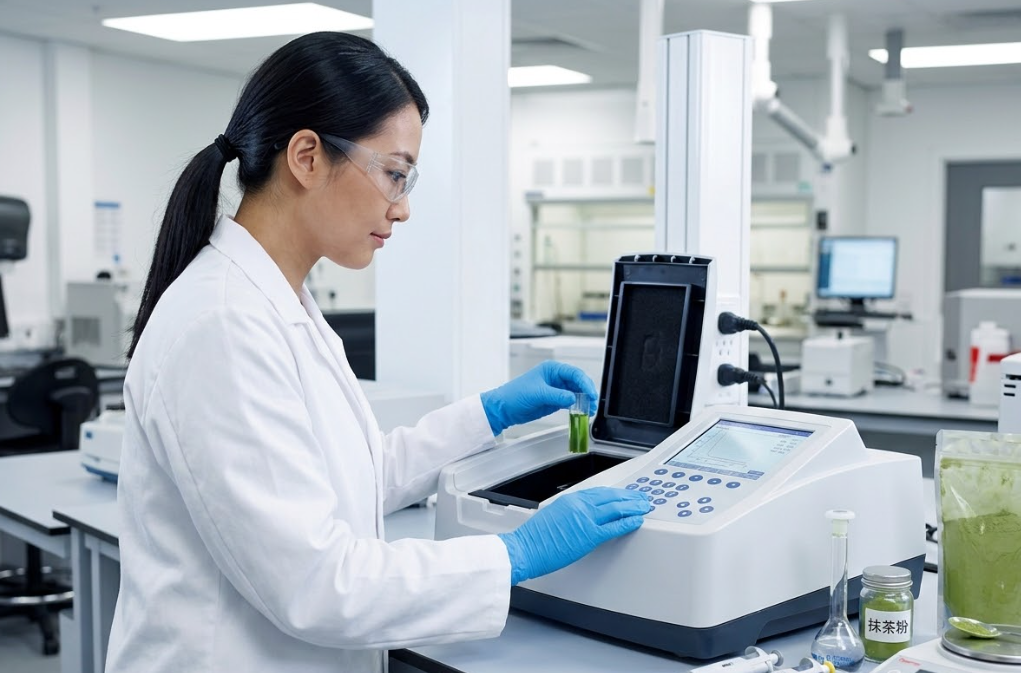
Many procurement teams think, "Buying from a US company is safer." But that feeling of security doesn't come from a supplier's zip code. It comes from their ability to control the supply chain from farm to warehouse.
If your supplier is sourcing from different factories batch by batch, you face serious risks:
- Inconsistent Product: The color, flavor, and texture can vary wildly. This forces you to constantly adjust your recipes.
- Compliance Failures: Without a stable production system, you risk issues with pesticides or microbes that can put you in trouble with the FDA.
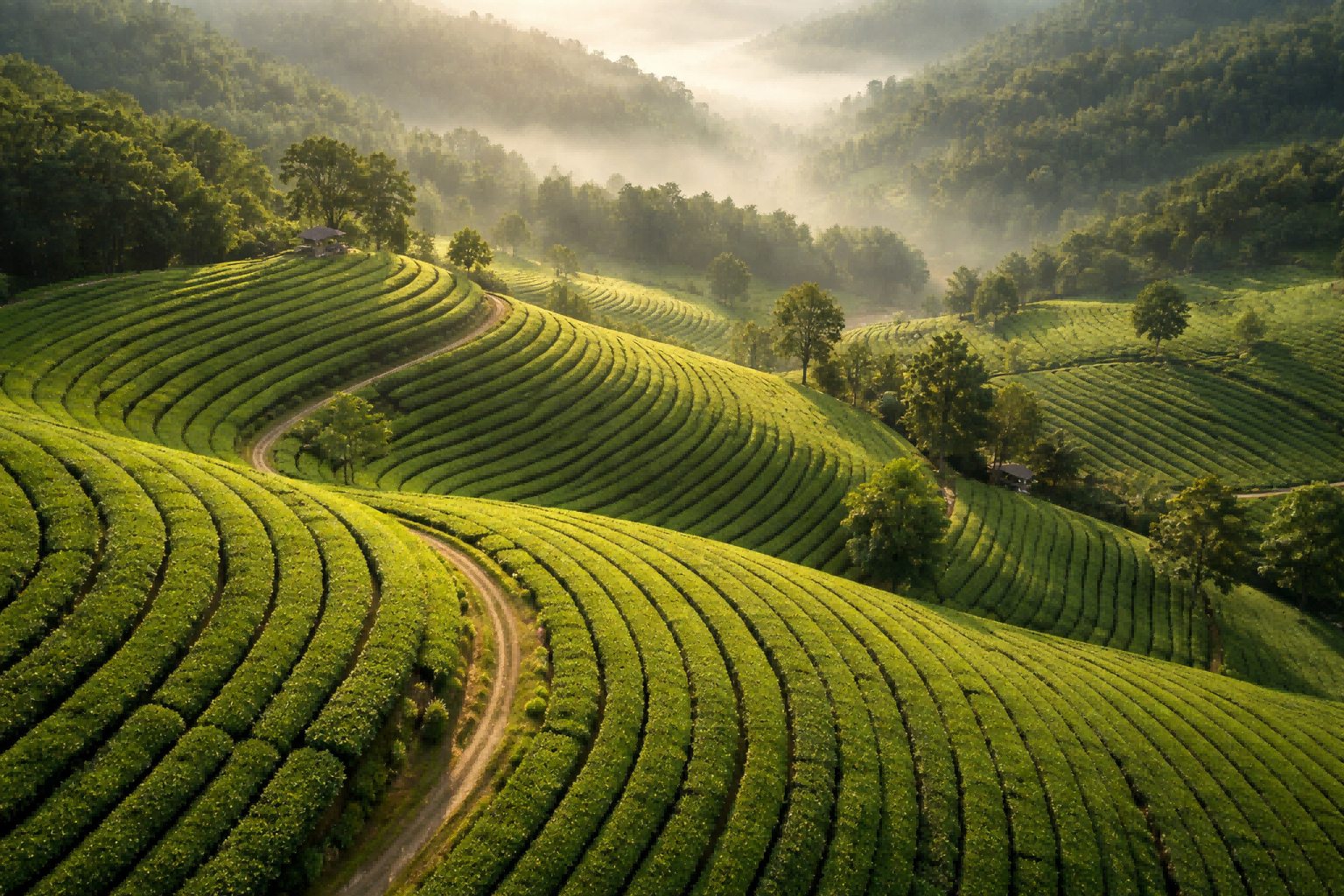
We once helped a food manufacturer who failed an audit. Their US supplier couldn't provide farm-level traceability10 for a specific batch. The paperwork was a mess because the product had passed through too many hands. This is the kind of risk a true manufacturer eliminates. We can trace every bag of our matcha right back to the specific tea garden plot and harvest date. That's real safety, and it's what protects your brand in the long run.
For FDA Prior Notice and import document planning, read our bulk matcha import documents guide.
Can You Get the Benefits of Direct Sourcing with the Ease of Local Buying?
You want the cost benefits of buying direct from the source. But the thought of handling international shipping, customs, and taxes is a major headache. What if you didn't have to?
Yes. The best solution for scaling brands is pairing a source-direct manufacturer9 with a DDP (Delivered Duty Paid11) shipping model. Your supplier handles all logistics, customs, and taxes. You get the advantages of direct sourcing, with delivery right to your US warehouse.
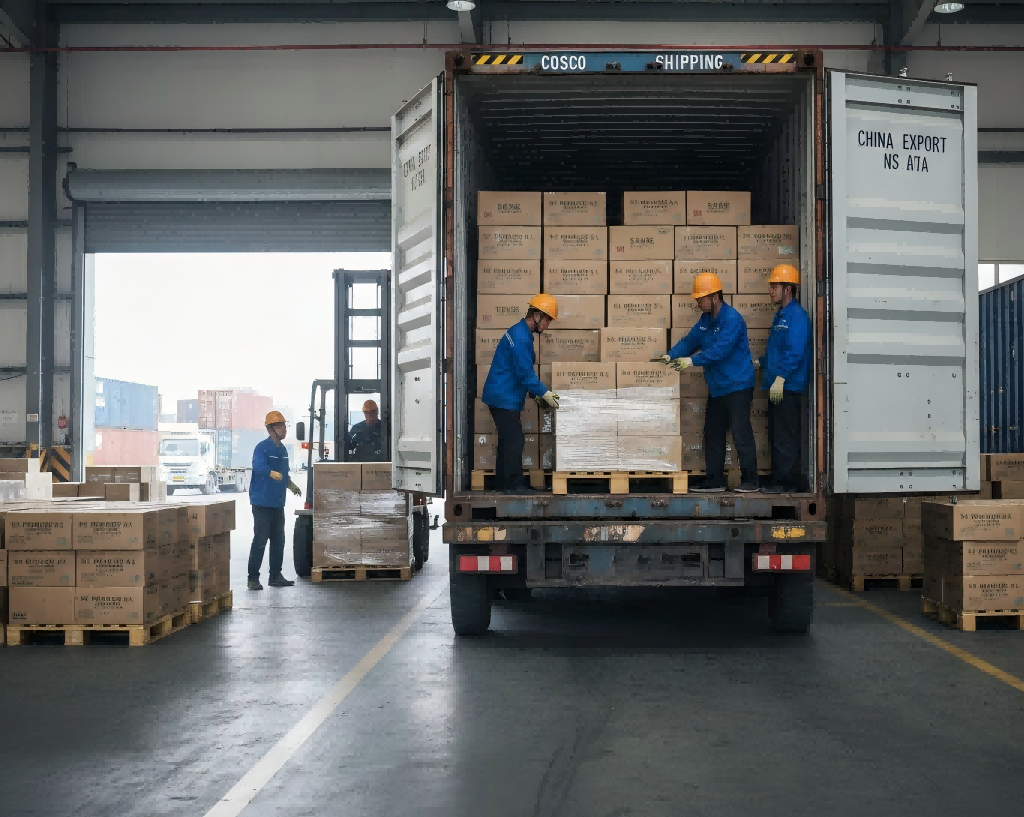
For a growing brand, the ideal supply chain combines the best of both worlds: direct-from-factory pricing and quality with a simple, local-like delivery experience. This is exactly what we provide. A mature source supplier should offer stable control over our own organic tea gardens, standardized production systems like HACCP and ISO12, and a full set of certifications for the US market, including USDA Organic13.
The key that unlocks this is the DDP (Delivered Duty Paid11) shipping model. Many businesses worry about complex customs clearance, unclear taxes, and long shipping times. With DDP, we handle all of that for you. We manage the transport, customs, and duties. You just receive the goods at your US warehouse, as if you were buying from a domestic company. This approach gives you the cost savings and consistency of direct sourcing, without any of the logistical headaches.
Which Supplier Model Is Right for You?
| Feature | Local US Wholesaler | Source-Direct (DDP) |
|---|---|---|
| Best For | Small tests (≤50kg), R&D | Scaling (50kg+), stable production |
| Cost Structure | Higher (multiple markups) | Lower (direct from factory) |
| Batch Consistency | Often low / unpredictable | High / guaranteed |
| Traceability | Limited or non-existent | Full, from farm to door |
| Logistics | Simple (domestic shipping) | Simple for you (supplier handles all) |
| Compliance | Risky if source is unknown | Secure with full certifications |
Conclusion
Choosing a matcha supplier isn't about finding the closest warehouse. It's about building a stable, cost-effective supply chain14 that can support your brand's long-term growth and success.
For U.S. buyers comparing supplier options, our wholesale matcha supplier page explains grades, pricing logic, samples, COA and repeat supply support.
For FDA Prior Notice and import document planning, read our bulk matcha import documents guide.
Ready to Build a Better Matcha Supply Chain?
If you have validated your product and are entering a growth phase, it's time to look beyond local resellers. The real factors that will determine your brand's future are not who ships one day faster, but who can guarantee long-term supply, ensure batch-to-batch consistency, and provide a controllable cost structure.
We can provide you with:
- Certification and compliance solutions for the US market.
- Matcha grade recommendations for different applications, including drinks, baking, and RTD.
- Batch-level quality testing data (COA).
- Bulk purchase quotes and cost optimization advice.
- DDP door-to-door delivery solutions, including all customs and duties.
Contact us through the form on our page. Our team will work with you to build a matcha supply plan that is ready for scale.
Understanding the reasons behind inconsistent quality and high costs can help you make informed decisions when choosing a matcha supplier. ↩
Learn how direct-from-source manufacturers can offer better cost, consistency, and compliance for your matcha supply needs. ↩
Discover how DDP shipping simplifies logistics and reduces costs, making it easier to source matcha directly from manufacturers. ↩
Explore how a local buying experience can be achieved even when sourcing matcha from international suppliers. ↩
Find out if US matcha wholesalers truly manage their supply chain or if they rely on multiple importers, affecting consistency. ↩
Learn about the factors that lead to batch inconsistencies and how they can impact your business. ↩
Understand the significance of traceability in ensuring product quality and compliance in the matcha industry. ↩
Identify potential compliance issues with matcha suppliers and how they can affect your brand's reputation. ↩
Explore the benefits of working with source-direct manufacturers for a more stable and reliable matcha supply. ↩
Discover how farm-level traceability can enhance product safety and quality assurance in matcha sourcing. ↩
Learn about the Delivered Duty Paid shipping model and how it simplifies international matcha sourcing. ↩
Understand the role of HACCP and ISO certifications in ensuring quality and safety in matcha production. ↩
Find out how USDA Organic certification can enhance the credibility and marketability of your matcha products. ↩
Gain insights into creating a supply chain that balances cost, quality, and consistency for long-term success. ↩